
PPF vs Ceramic Coating in Houston: Which Actually Survives I-45 Rock Chips? (Tested 2026)
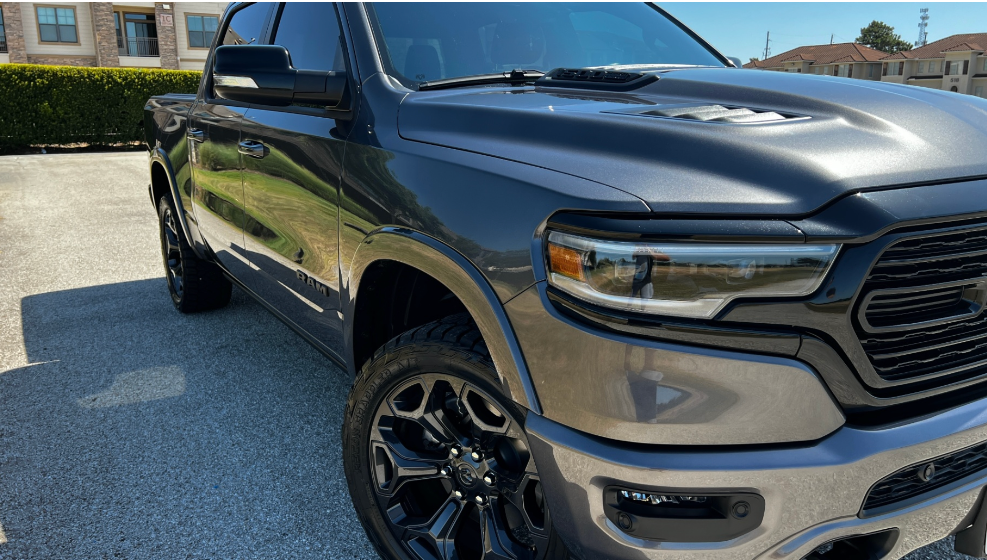
Navigating I-45 between downtown Houston and League City is a daily gauntlet of road debris, loose gravel, and high-velocity impacts. For Houston drivers in 2026, the question isn’t if you’ll catch a rock: it’s whether that hit becomes a paint chip. Ceramic coating delivers gloss and easier maintenance. LPPF delivers impact resistance that’s built for I-45—and it can be professionally re-leveled by Ceramic Enthusiasts when a strike leaves a blemish. Ceramic Enthusiasts is owner-operated with over a decade of experience, and we focus on one car at a time so your protection is applied with unhurried precision whether you’re commuting from Pearland, running down to League City, or searching “ceramic coating near me” in Houston.
Why Does I-45 Destroy Your Car’s Paint Faster Than Anywhere Else?
The combination of heavy industrial traffic, constant construction near Pearland, and the sheer speed of Houston commuters creates a high-kinetic environment for road debris. When a pebble kicks up from a construction truck at 75 mph, it carries enough force to pierce standard clear coats and even some lower-grade protection films. In Houston’s humidity, these tiny punctures become gateways for oxidation and paint failure. Without a physical barrier, your vehicle’s front fascia, hood, and side mirrors are essentially sacrificial surfaces. While most detailing shops in the area focus on quick turn-arounds, our owner-operated approach focuses on the reality of these impacts, ensuring every square inch of your vehicle is evaluated for the specific stresses of South Texas driving.
Can Ceramic Coating Stop Rock Chips From Piercing Your Clear Coat?
No, a ceramic coating will not protect your vehicle from rock chips or high-velocity impact damage. Despite common misconceptions, ceramic coatings are liquid polymers that chemically bond to your factory paint to create a hydrophobic, UV-resistant layer that is only microns thick. Its primary purpose is to deliver a mirror-like shine and reduce maintenance by repelling water, bird droppings, and industrial fallout common in Pasadena and South Houston.
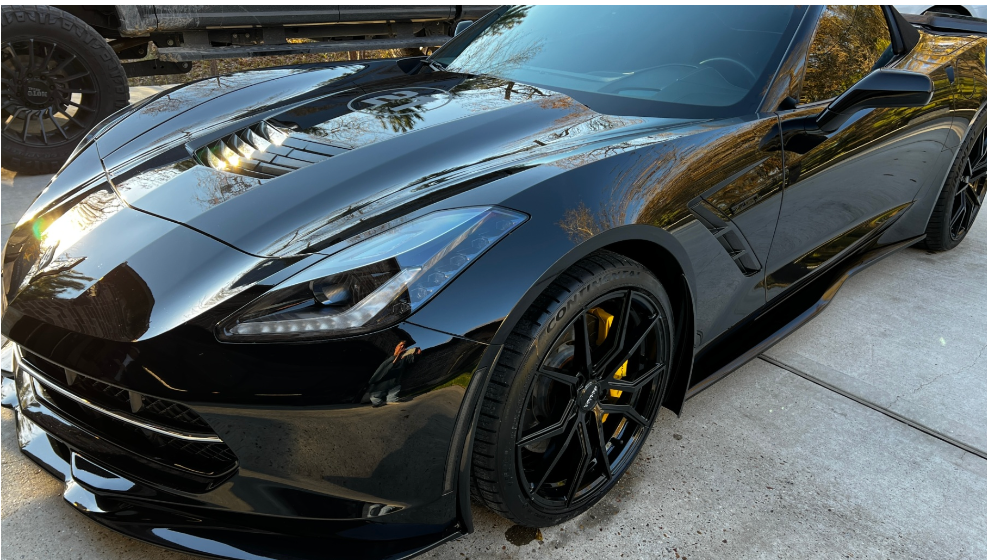
A professional-grade ceramic coating, like those we apply in our one-car-at-a-time studio, excels at preventing chemical etching and surface swirls. However, it lacks the thickness and elasticity required to absorb the kinetic energy of a rock. If you are looking for a finish that makes your car look like it’s under glass and makes washing a five-minute task, a ceramic coating is the gold standard. If you want to stop a rock from chipping your paint on the way to Friendswood, you need a different level of engineering.
How Does Liquid Paint Protection Film (LPPF) Defend Against High-Speed Debris?
LPPF is the impact-resistant option built for the I-45 commute. It’s a specialized, hand-applied protective layer that cures into a durable, shock-absorbing barrier—exactly what you want on the front bumper, hood, and mirrors when you’re running Houston to League City in fast traffic. Because it’s owner-operated and done one car at a time, the application isn’t rushed. Coverage is worked into curves and body lines with meticulous attention, so the protection is consistent where impacts actually happen. A key advantage is professional re-leveling. If a rock strike leaves a blemish in the LPPF surface, Ceramic Enthusiasts can re-level the impacted area to restore a smooth, optically clear finish—without pretending a coating “self-heals” or claiming ceramic coating stops chips. It’s skilled correction work on a protective layer designed for impact scenarios.
Which Protection Method Stands Up to Houston’s 100-Degree Humidity?
Houston’s climate presents a unique challenge: extreme UV exposure combined with relentless humidity and heat. Traditional wax and sealants melt away in weeks under these conditions. A ceramic coating thrives here because it is semi-permanent; it doesn't just sit on the paint: it becomes part of
it. This prevents the "cloudy" look often seen on vehicles in League City and Pearland that have been
left unprotected.
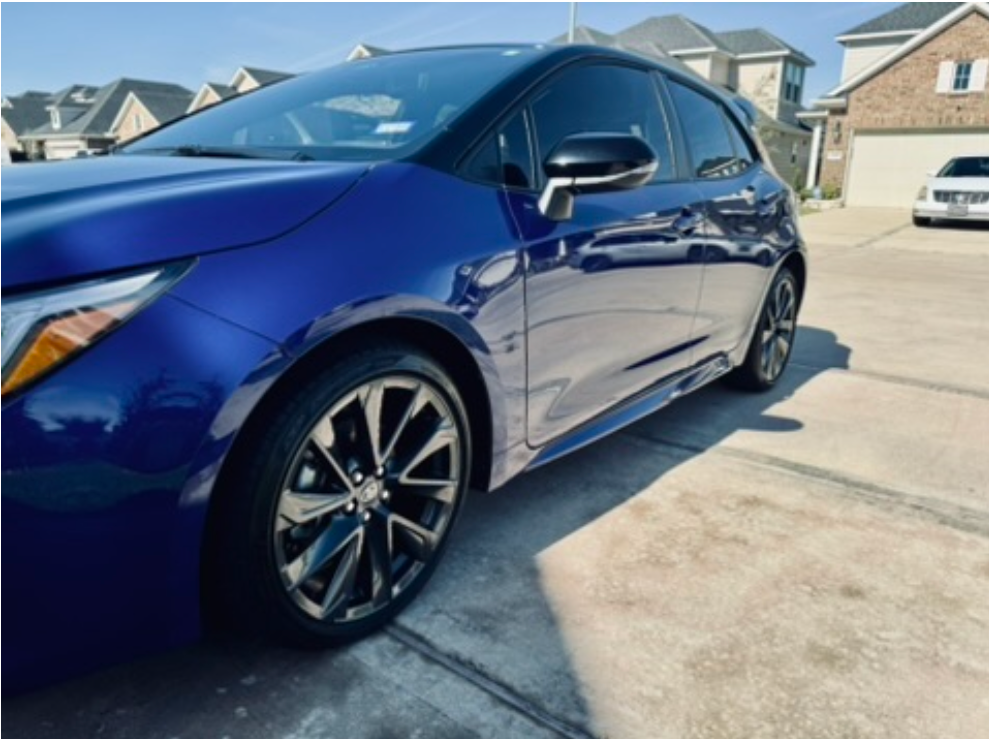
LPPF also provides an incredible thermal barrier. Because we apply it with meticulous attention to detail, we ensure the bond is strong enough to withstand the expansion and contraction of metal panels during a 100-degree August day. When you choose an owner-operated service like Ceramic Enthusiasts, you aren't getting a rushed "volume shop" application that might bubble or peel in the humidity.You are getting over 10 years of expertise in Houston-specific paint chemistry.
Does LPPF or Ceramic Coating Offer Better Long-Term Value in Pearland or League City?
Determining the best value depends entirely on your driving habits and how long you plan to keep the vehicle. For a weekend car that mostly stays in the garage or takes short trips around Friendswood, a platinum package ceramic coating offers the best ROI by keeping the paint pristine and glossy for years. However, for a daily driver that spends hours on I-45 or the Beltway, LPPF is the smarter investment. The cost of repainting a hood or bumper on a modern luxury vehicle or performance truck far exceeds the cost of a professional LPPF installation. By choosing LPPF, you preserve the factory paint, which is essential for maintaining the vehicle's resale value in the competitive Houston market.
Why Is the One-Car-At-A-Time Approach Critical for a Proper Bond?
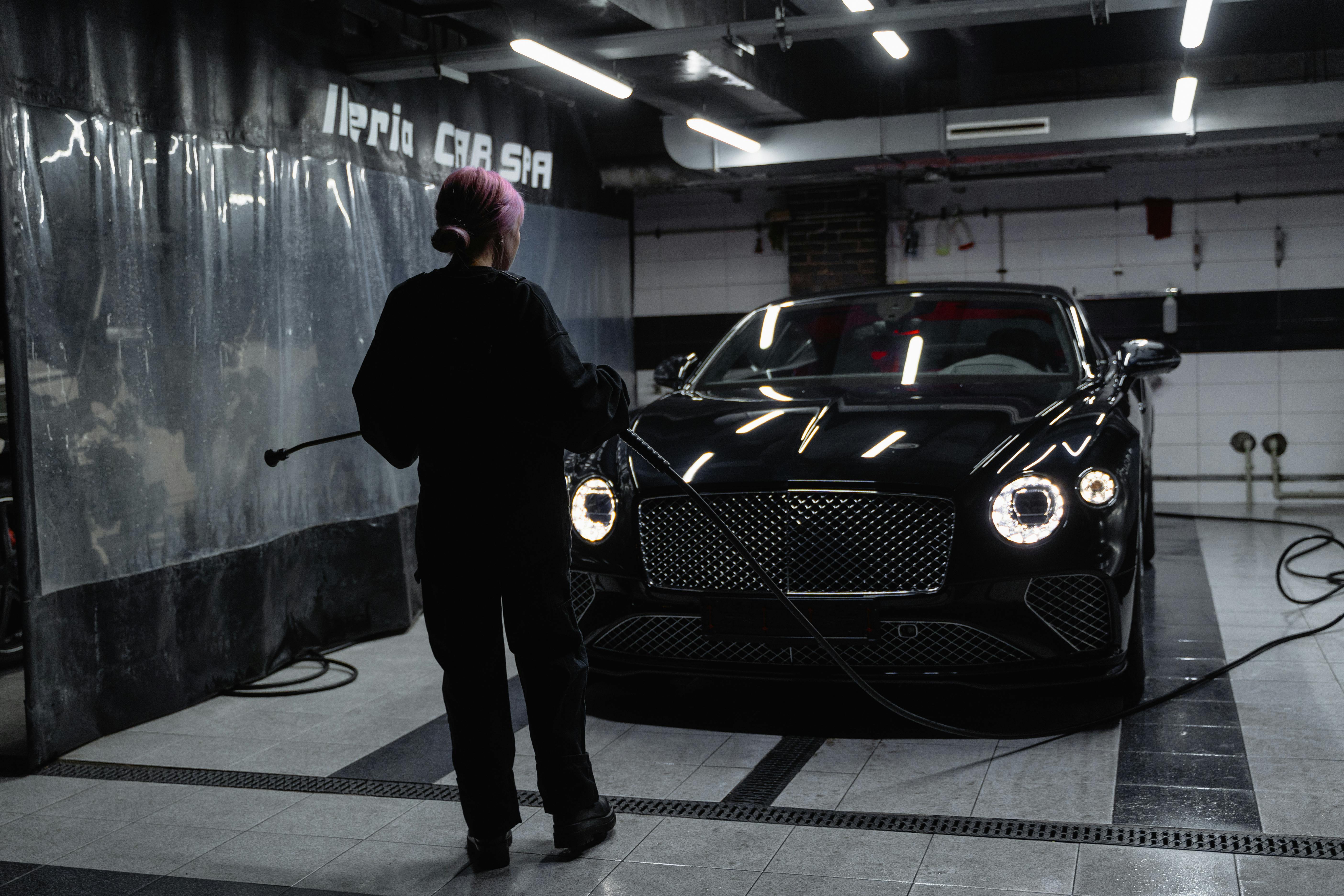
Most detailing "factories" in the Houston area prioritize volume, often rushing through the critical decontamination and paint correction phases. At Ceramic Enthusiasts, we work on one car at a time. This isn't just a business model; it’s a quality requirement. For a ceramic coating or LPPF to bond correctly, the environment must be controlled, and the surface must be surgically clean.
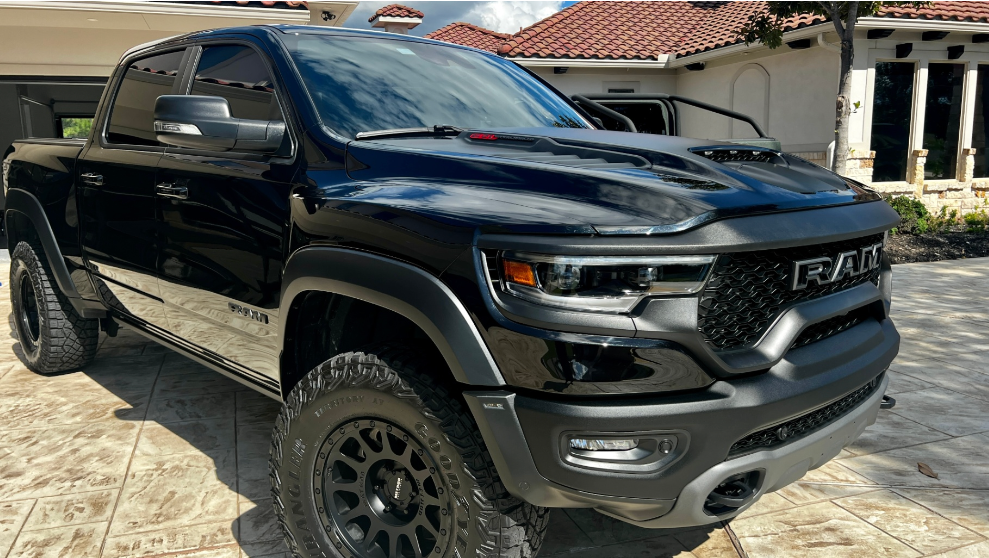
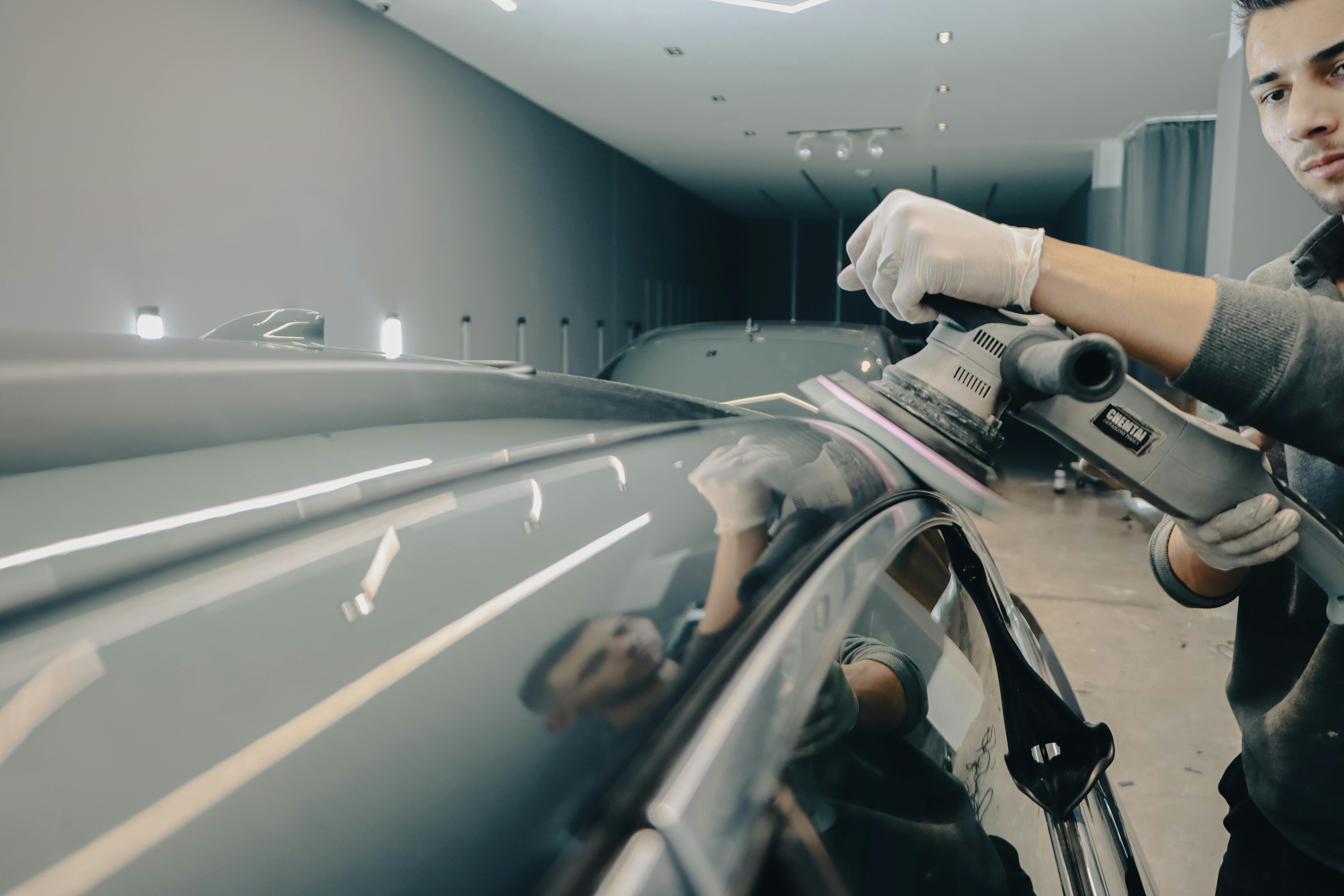
Without the deep paint correction we provide, you are simply sealing in swirls, scratches, and contaminants. Our manual process involves multiple stages of decontamination: de-ironizing, clay bar treatments, and multi-stage polishing: before a single drop of protection is applied. This ensures that whether you are in Pasadena or South Houston, your vehicle leaves our care with a finish that is structurally sound and visually flawless.
Can You Combine Ceramic Coating and LPPF for the Ultimate Houston Protection?
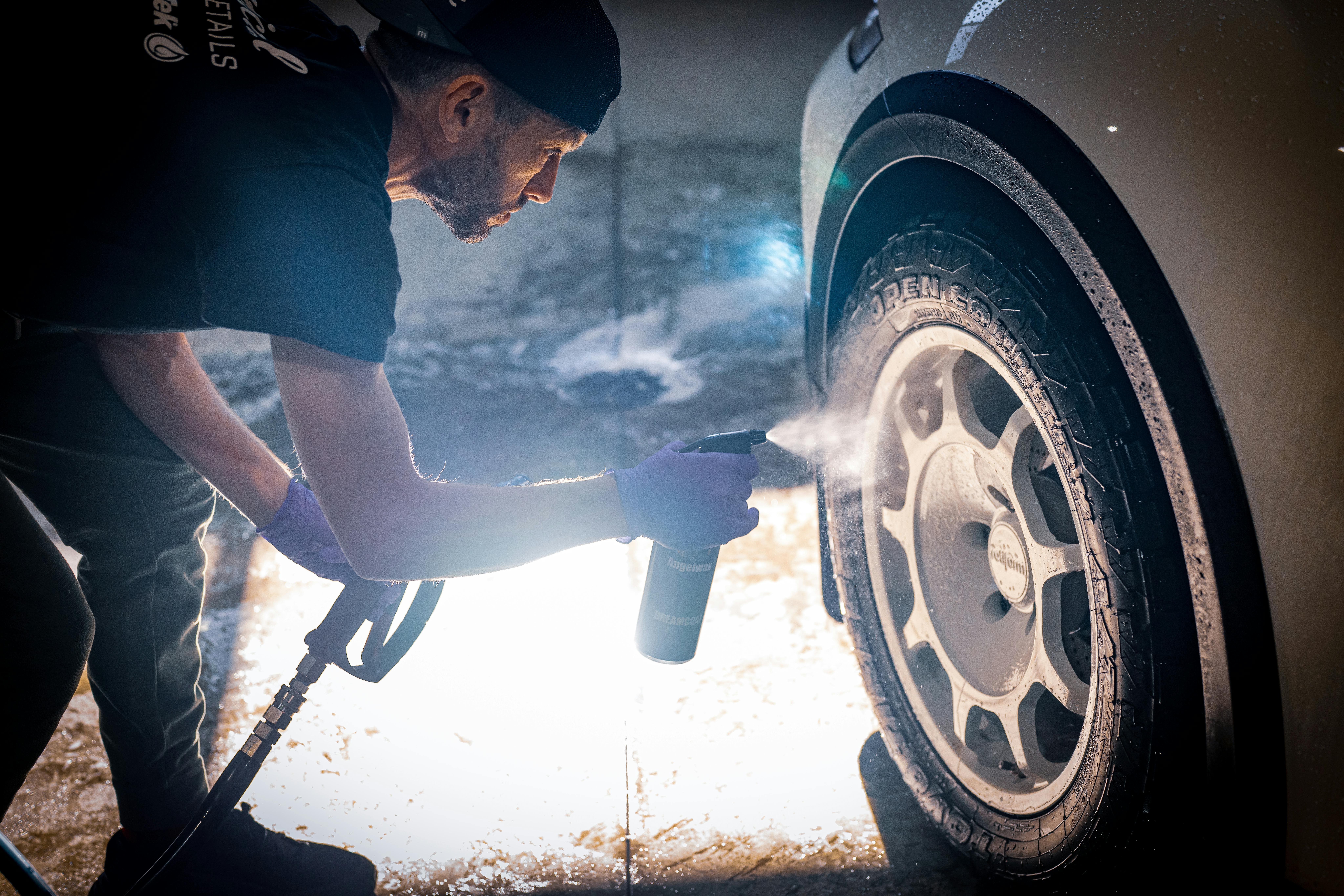
The ultimate 2026 protection strategy involves using both technologies in tandem. We often recommend applying LPPF to high-impact "hot zones": the front bumper, hood, fenders, and side mirrors: to stop rock chips. We then apply a premium ceramic coating over the rest of the vehicle, including the LPPF itself. This "hybrid" approach gives you the best of both worlds. The LPPF acts as your physical armor against I-45 debris, while the ceramic coating provides the extreme slickness, chemical resistance, and ease of cleaning over the entire car. It makes washing your vehicle faster and safer, as dirt and grime have nothing to "grip" onto.
Choosing Your Defense for the Houston Commute
Your vehicle is likely one of your largest investments, and the roads in the Greater Houston area are designed to devalue it. Whether you need the impact-absorbing power of LPPF or the high-gloss, low-maintenance benefits of an automotive ceramic coating, the quality of the application is what determines the result. Don't leave your paint's future to a high-volume shop that treats your car as just another number. Experience the difference that 10+ years of dedicated, owner-operated expertise makes. We focus on the details that others miss, ensuring your car stays showroom-ready regardless of what the I-45 throws at it.To determine which protection package fits your driving style in Pearland, League City, or the surrounding Houston areas, contact Ceramic Enthusiasts today. Let's discuss how we can protect your vehicle one-on-one.
Connect with Ceramic Enthusiasts at 281-626-9384 to schedule your consultation and give your car the protection it deserves.
You might also like
Ceramic Enthusiasts