
Do You Really Need Ceramic Coating in Houston? Here’s the Truth About Your Car’s Value
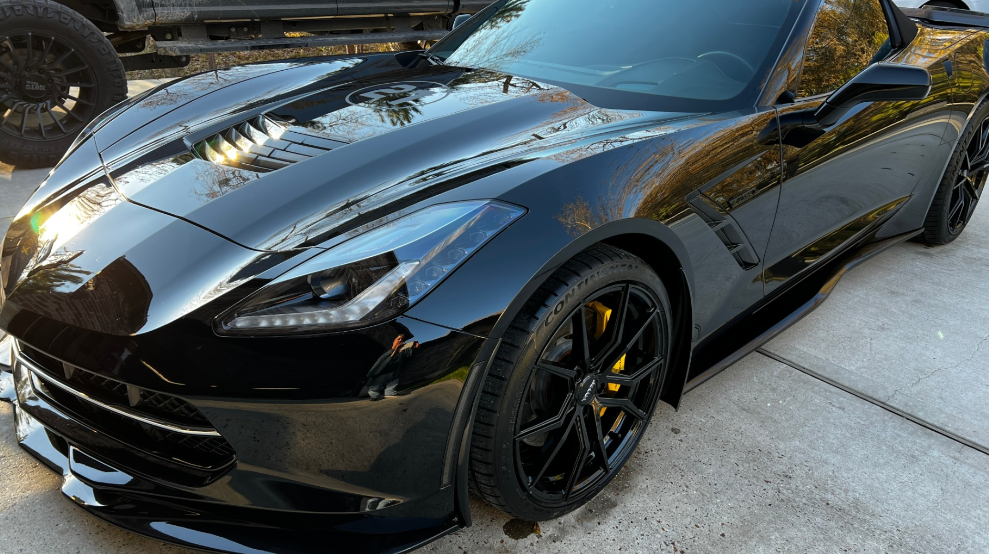
Glossy black Corvette resale value starts with paint condition—ceramic coating helps protect against Houston’s UV and heat-driven oxidation.
Ceramic coating in Houston is not a luxury; it is a calculated financial strategy to protect one of your largest investments. For drivers navigating the Gulf Coast climate, the question isn't whether you can afford the service, but whether you can afford the inevitable depreciation that comes without it. Between the punishing UV rays, industrial fallout from shipping corridors, and the relentless humidity, your vehicle's factory clear coat is under constant biological and chemical attack.
Does Houston’s Climate Actually Damage Your Car’s Paint?
Yes, the environmental conditions in Southeast Texas are uniquely hostile to automotive finishes. When temperatures hit 95 degrees with 90% humidity, your car’s paint undergoes significant thermal expansion. This opens the "pores" of the clear coat, allowing microscopic contaminants like brake dust, bird droppings, and acid rain to embed themselves deeply into the surface. Without a protective barrier, the sun’s UV rays act as a catalyst for oxidation. This is what leads to the dull, cloudy appearance commonly seen on older vehicles in Houston, TX and Pasadena, TX. Ceramic coating acts as a sacrificial layer of protection. It utilizes nanostructure technology to fill those pores and create a chemically resistant, semi-permanent bond that blocks UV radiation and prevents environmental acids from etching into the paint.
How Does Ceramic Coating Protect Your Car’s Resale Value?
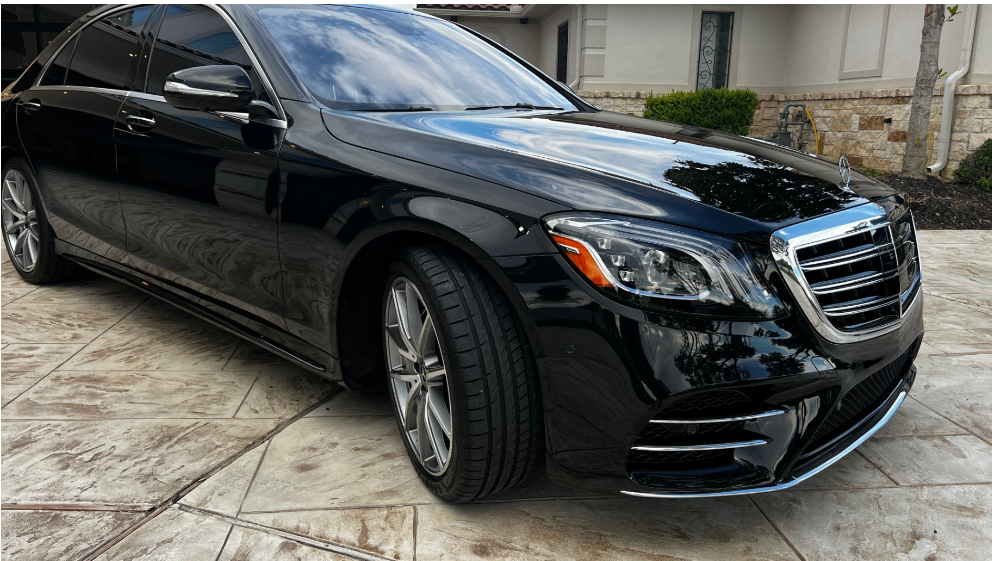
Ceramic coating directly enhances your car's resale value by preserving the "showroom shine" that buyers equate with a well-maintained vehicle. In the used car market, first impressions are everything. A vehicle with deep, reflective paint and zero oxidation signals to a buyer that the mechanical components were likely cared for with equal diligence.
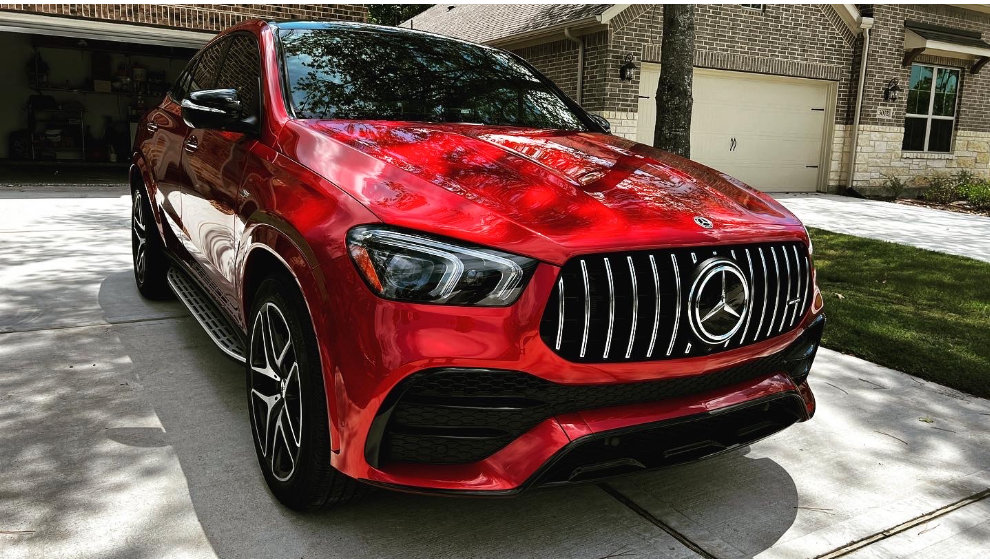
Research indicates that ceramic-coated vehicles experience up to 50% less wear and tear on the exterior surfaces compared to those treated with traditional methods. By maintaining an excellent exterior condition, you position your vehicle in the top tier of its valuation bracket. When it comes time to trade in or sell privately in Pearland, TX, the cost of the automotive ceramic coating is often recouped through a higher selling price and a much faster sale.
Why Is Ceramic Coating Better Than Traditional Wax for Houston Drivers?
The debate of ceramic coating vs wax is settled by the thermometer. Traditional carnauba waxes have a low melting point. In the peak of a Houston summer, a fresh coat of wax can literally melt and evaporate off your car in a matter of days. Wax sits on top of the paint as a temporary oily film, providing minimal protection against physical abrasions or chemical etching. Ceramic coating, however, is a liquid polymer that chemically bonds with the factory paint. It does not wash off and does not break down under high heat. While wax provides a "warm" glow for a few weeks, ceramic coating delivers a "hard" glass-like gloss that lasts for years. For the daily commuter on I-45 or the Beltway, the superior surface tension of a coating means that road grime and oily residue simply cannot stick, making your vehicle much easier to clean.
How Long Does Ceramic Coating Last in the Texas Heat?
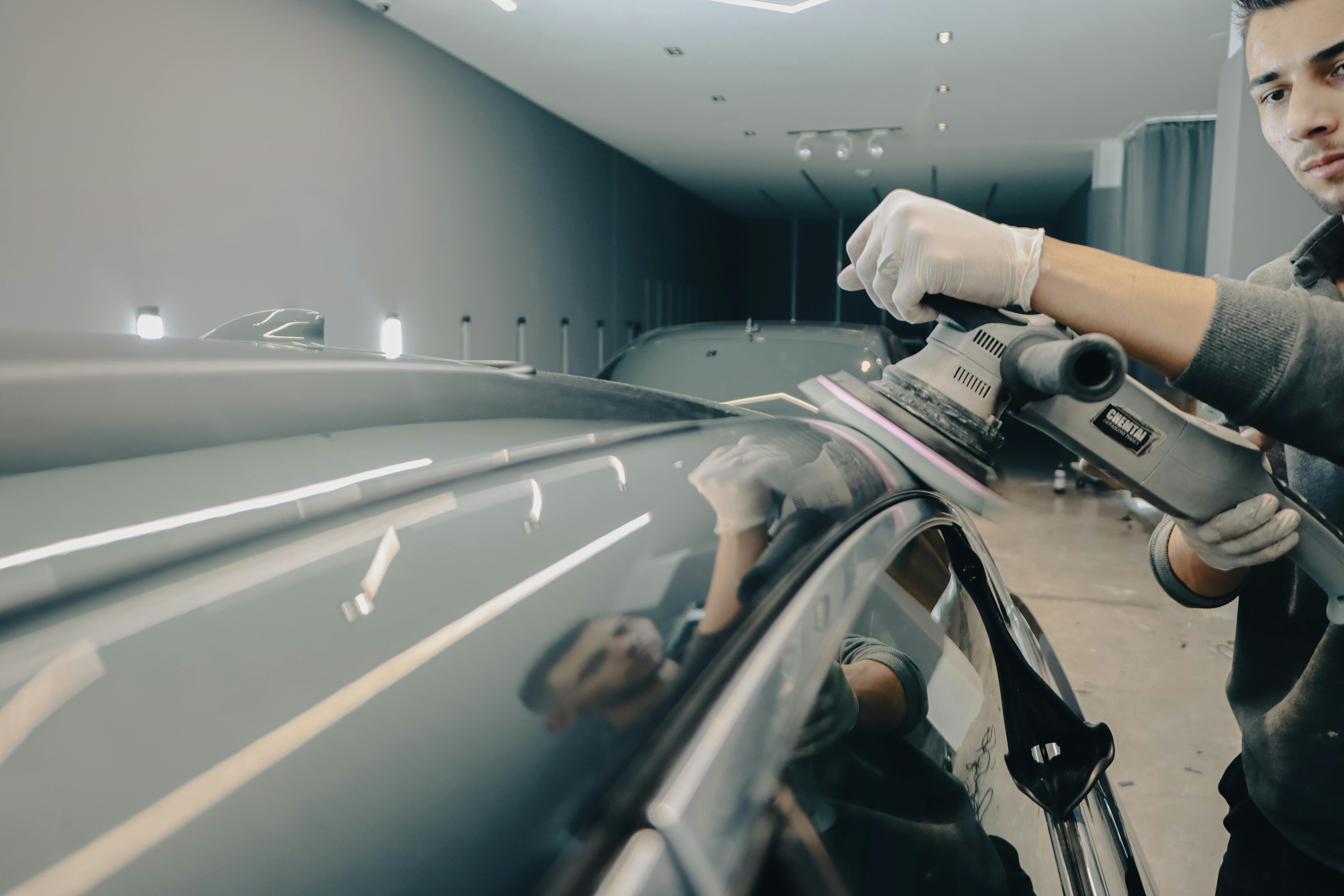
How long does ceramic coating last depends heavily on the quality of the product and the precision of the application. In the demanding Texas environment, a professionally applied coating from Ceramic Enthusiasts typically lasts between four to five years. This longevity is far superior to the 2-3 months offered by premium waxes or the 6 months offered by synthetic sealants. The secret to this durability is the preparation process. Before we apply any coating, we perform a thorough paint correction. This involves removing swirls, scratches, and oxidation to ensure the coating bonds to a perfectly clean surface. Without this meticulous attention, the coating cannot achieve the molecular bond necessary to withstand dozens of weather cycles and high-pressure washes.
What Makes the Ceramic Enthusiasts Approach Different?
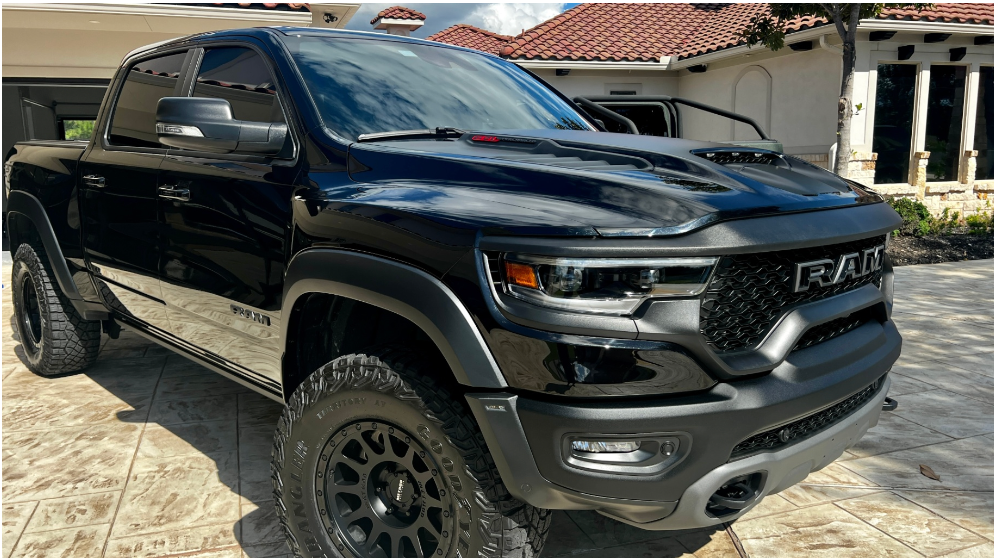
We operate on a "one car at a time" philosophy. Unlike high-volume shops that rush vehicles through an assembly line, our owner-operated approach ensures that every inch of your vehicle receives meticulous attention. With over a decade of experience in the Houston area, we understand exactly how the local climate affects different paint systems: from European soft clears to domestic trucks. We don't just apply a product; we engineer a protection plan. This includes using premium-grade formulas specifically tailored for high-humidity environments. Whether you are in Friendswood, TX or League City, TX, our mobile-ready capabilities mean you get shop-quality results with the convenience of mobile detailing.
Should You Choose Ceramic Coating or Liquid Paint Protection Film?
At Ceramic Enthusiasts, we view Ceramic Coating and Liquid Paint Protection Film (LPPF) as complementary technologies. While ceramic coating is the king of gloss and chemical resistance, LPPF provides a thicker, more durable barrier against physical impacts like rock chips and road debris. Our LPPF is a specialized, hand-applied process. This is not a machine-sprayed application; it requires an installer’s hands and precision tools to lay and work the film onto the vehicle's most vulnerable areas. Many of our clients choose to combine these services: applying LPPF to high-impact areas like the front bumper and hood, then finishing the rest of the vehicle with our Platinum Package ceramic coating. This hybrid approach provides the ultimate ROI by shielding your car from both the Houston sun and the gravel flying off the back of a construction truck.
Can Ceramic Coating Save You Money on Maintenance?
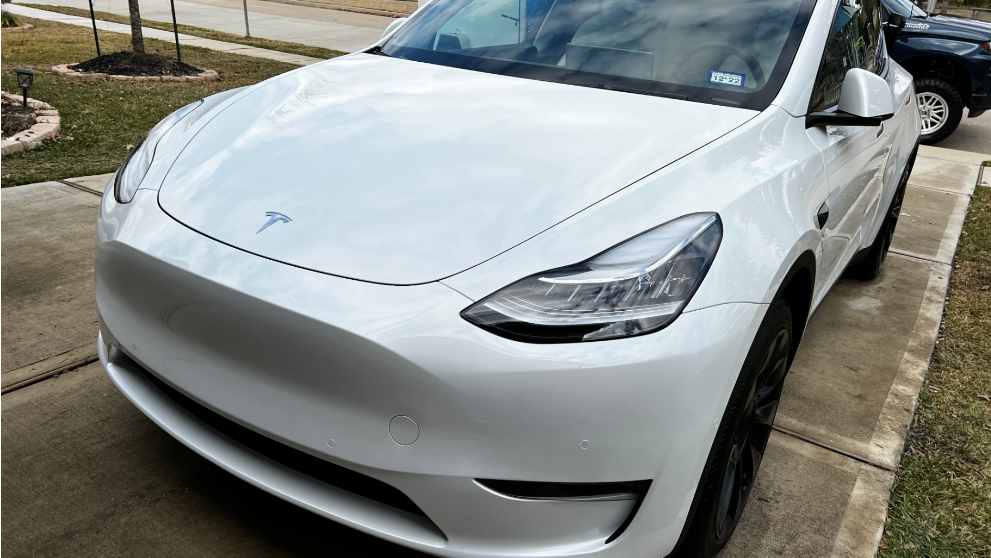
Absolutely. The hydrophobic properties of a ceramic coating create high surface tension, meaning
water beads up and rolls off, taking dirt and dust with it. This "self-cleaning" effect drastically reduces the time and money spent at the car wash. You will find that you no longer need to scrub your paint to remove contaminants; most road grime will rinse away with a simple low-pressure hose. Furthermore, because the coating protects the underlying paint from permanent damage, you avoid the need for expensive restorative detailing in the future. By investing in protection now, you eliminate the need for repeated polishing and buffing later. For busy professionals in South Houston, TX, the time saved on maintenance alone justifies the initial investment.
Is Your Vehicle Ready for Long-Term Protection?
If you plan on keeping your car for more than two years, ceramic coating is the most effective way to
lock in its value and keep it looking like it just rolled off the showroom floor. From daily drivers to luxury sedans, every vehicle benefits from the advanced chemistry of a professional coating.
Don't wait until the Houston sun has already begun to fade your clear coat. Whether you need a Gold
Package for consistent protection or specialized wheel ceramic coating to fight off brake dust, we have a solution tailored for you.
Ready to protect your investment? Connect with Ceramic Enthusiasts today to discuss the best package for your vehicle and local driving habits. Give us a call at
281-626-9384 to schedule your consultation and experience the "one car at a time" difference.
You might also like
Ceramic Enthusiasts