
LPPF vs Ceramic Coating in Houston: Which Actually Protects Against Rock Chips? (2026 Truth)
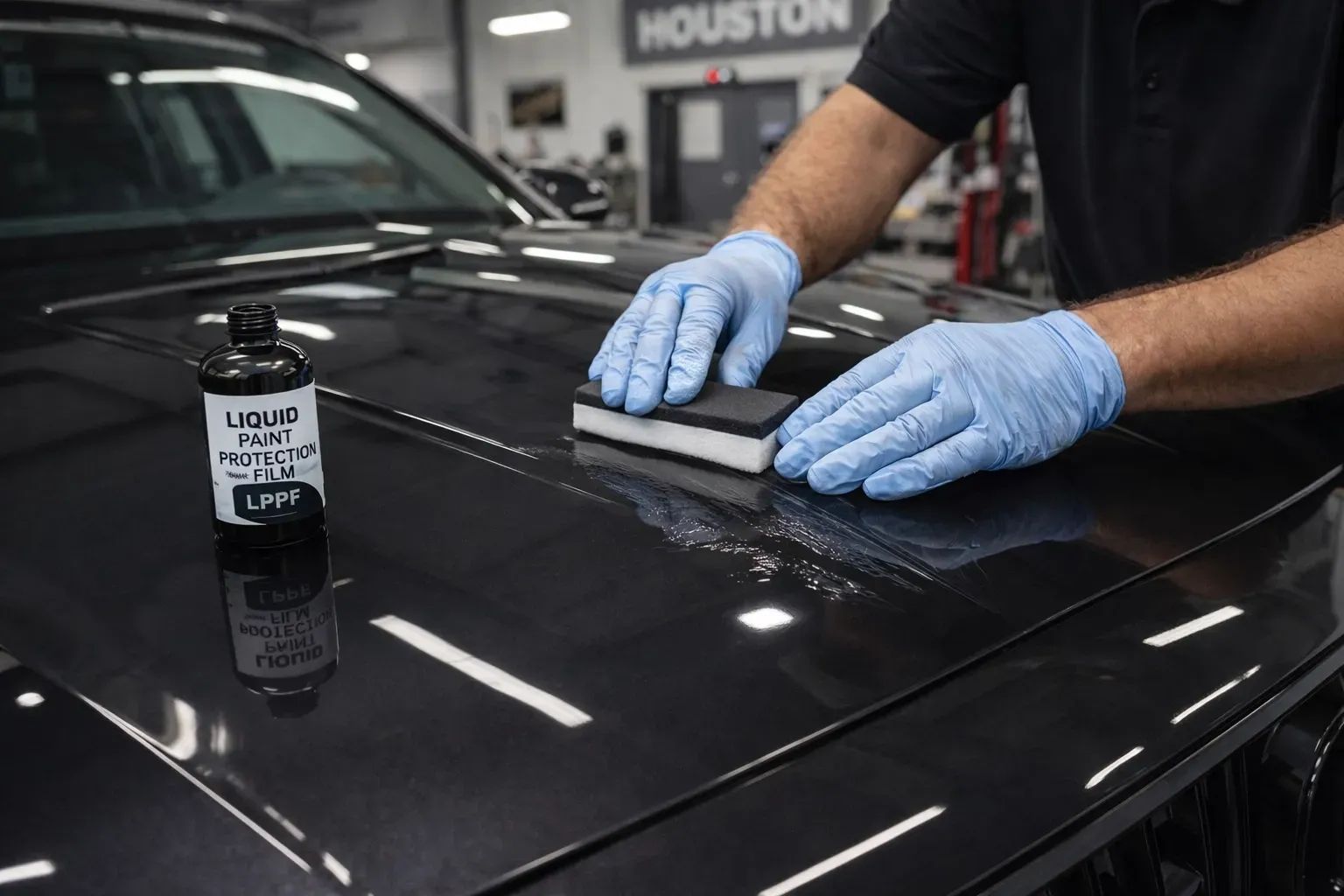
Which Protection Actually Stops Rock Chips on Houston Roads?
Liquid Paint Protection Film (LPPF) is the only solution that genuinely prevents rock chips. Ceramic coating offers zero protection against physical impacts: it's engineered for chemical defense, not kinetic energy absorption.
Here's the reality: driving I-45 between Houston and League City, your paint faces constant bombardment from gravel, road debris, and construction materials. Traditional ceramic coatings create a hydrophobic barrier that repels water and chemical contaminants brilliantly, but they're measured in microns: far too thin to absorb rock impacts. LPPF, by contrast, provides 6-8 mils of physical armor that catches stone strikes before they damage your clear coat.
The difference matters on Houston's highways. One chip on your hood turns into rust exposure within weeks when our humidity gets to work.
What Makes Liquid PPF the King of Rock Chip Protection?
Liquid PPF creates a sacrificial layer that absorbs the kinetic energy from road debris before it reaches your paint surface. The film's thickness and flexibility allow it to deform slightly on impact, dissipating force across a wider area rather than letting it concentrate on a single point.
This physical barrier works like a transparent shield across your vehicle's most vulnerable zones: front bumpers, hoods, fenders, and mirror caps take the hardest hits during daily commutes. When a rock strikes LPPF, the film absorbs the blow. Without it, that same impact creates a chip that exposes bare metal to Houston's brutal combination of heat, humidity, and industrial fallout.
The real magic?
LPPF features re-leveling technology that allows minor surface blemishes to disappear with heat application. Light scratches from automated car washes or shopping cart contact fade away when exposed to warm water or direct sunlight: standard conditions in our 95-degree summers. This self-healing capability keeps your protection layer intact and your paint unmarred underneath.
Every application is meticulously applied by hand at Ceramic Enthusiasts. We work the film across contours and body lines with precision tools, ensuring complete coverage without bubbles or lifting edges. This hands-on process takes time, but it delivers protection that machine application simply cannot match.
What Does Ceramic Coating Actually Protect Against in Houston?
Ceramic coating dominates chemical and environmental defense. It creates a molecular bond with your clear coat that repels water, bird droppings, tree sap, acid rain, brake dust, and UV radiation: the exact threats Houston vehicles face daily.
The hydrophobic properties reduce surface tension, causing water to bead up and roll off rather than spreading across your paint. This matters during our afternoon thunderstorms when acidic rain combines with industrial particles from shipping corridors and refineries near Pasadena. Without ceramic protection, those contaminants etch into your clear coat, creating permanent water spots and chemical staining.
UV resistance prevents oxidation and color fading during our extended summer seasons. Park your car outside for three Houston summers without ceramic coating, and you'll notice clear coat failure starting at horizontal surfaces: hoods, roofs, and trunks show it first. Ceramic coating filters harmful UV wavelengths before they break down the chemical bonds in your paint.
The coating also delivers that mirror-like finish everyone notices. Enhanced gloss comes from the smooth, uniform surface layer that reflects light more efficiently than factory clear coat. You'll see sharper reflections and deeper color saturation immediately after application.
But apply ceramic coating over existing rock chips? It won't fill the damage. The coating lacks the thickness to level physical defects: it adds protection to intact surfaces, not repair to damaged ones.
How Do Houston's Road Conditions Demand Both Protection Types?
Houston presents dual threats. Highway driving creates constant rock chip risk from construction zones, gravel trucks, and high-speed debris. The Ship Channel corridor and I-10 near the ports generate particularly heavy stone strikes from commercial traffic.
Then our climate attacks whatever protection you don't have. Humidity levels stay elevated year-round, accelerating rust formation in any exposed metal. Summer temperatures regularly exceed 95 degrees, baking contaminants into unprotected paint. Industrial emissions from refineries create acidic particulates that settle on vehicles overnight.
Traditional ceramic coating handles the chemical assault perfectly but fails against physical impacts. LPPF stops rock chips cold but requires ceramic coating on top for maximum chemical resistance and easier maintenance. Neither solution alone provides complete protection in our environment.
The hybrid approach layers LPPF on high-impact zones: front bumpers, hoods, fenders, and headlights: then covers the entire vehicle with ceramic coating. This combination creates rock-solid physical protection enhanced with hydrophobic benefits, UV filtering, and chemical resistance. You get comprehensive defense against everything Houston throws at your paint.
What's the Professional Application Process at Ceramic Enthusiasts?
We operate owner-operated with meticulous attention to one car at a time. This approach eliminates the rushed timeline and quality compromises common at high-volume shops.
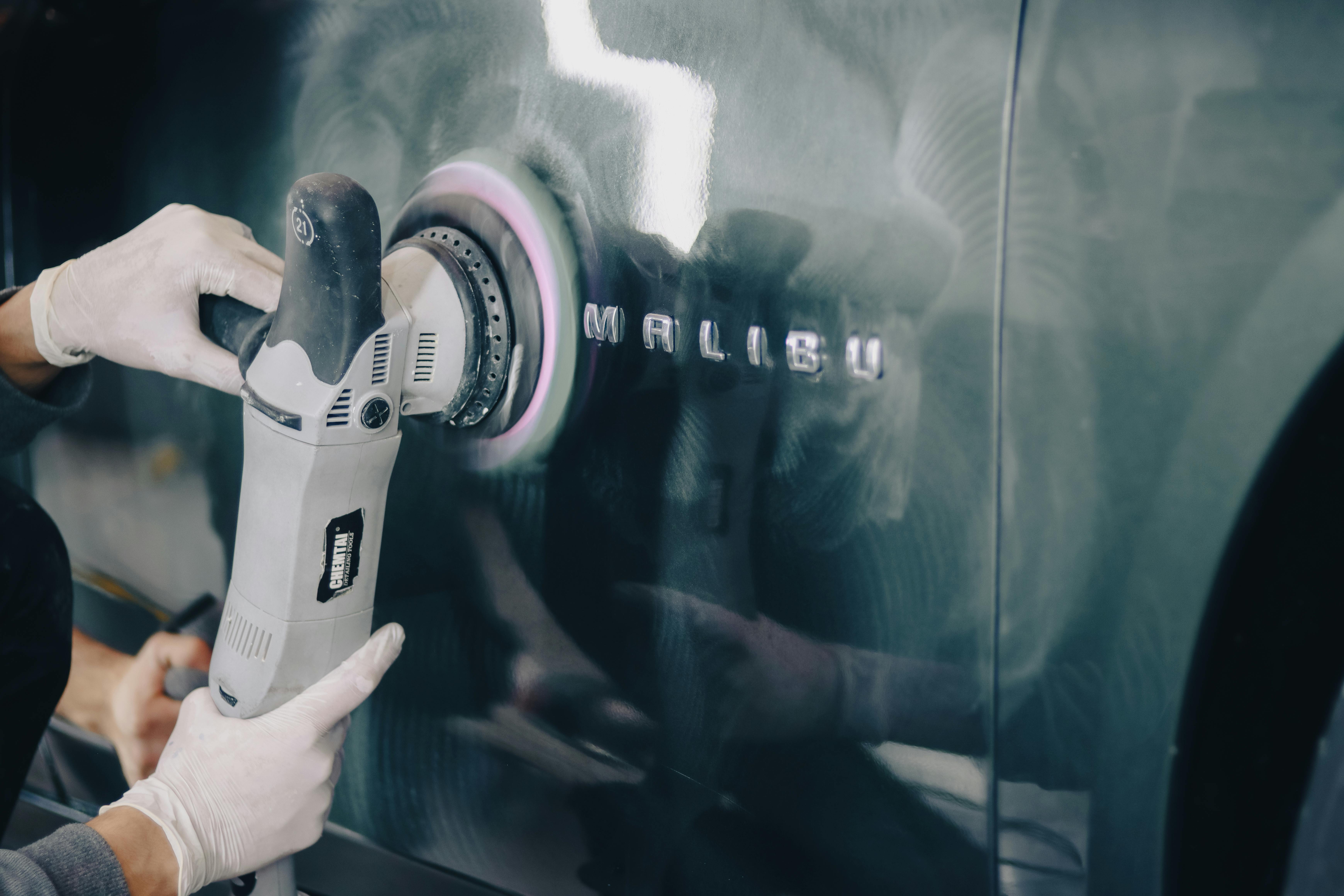
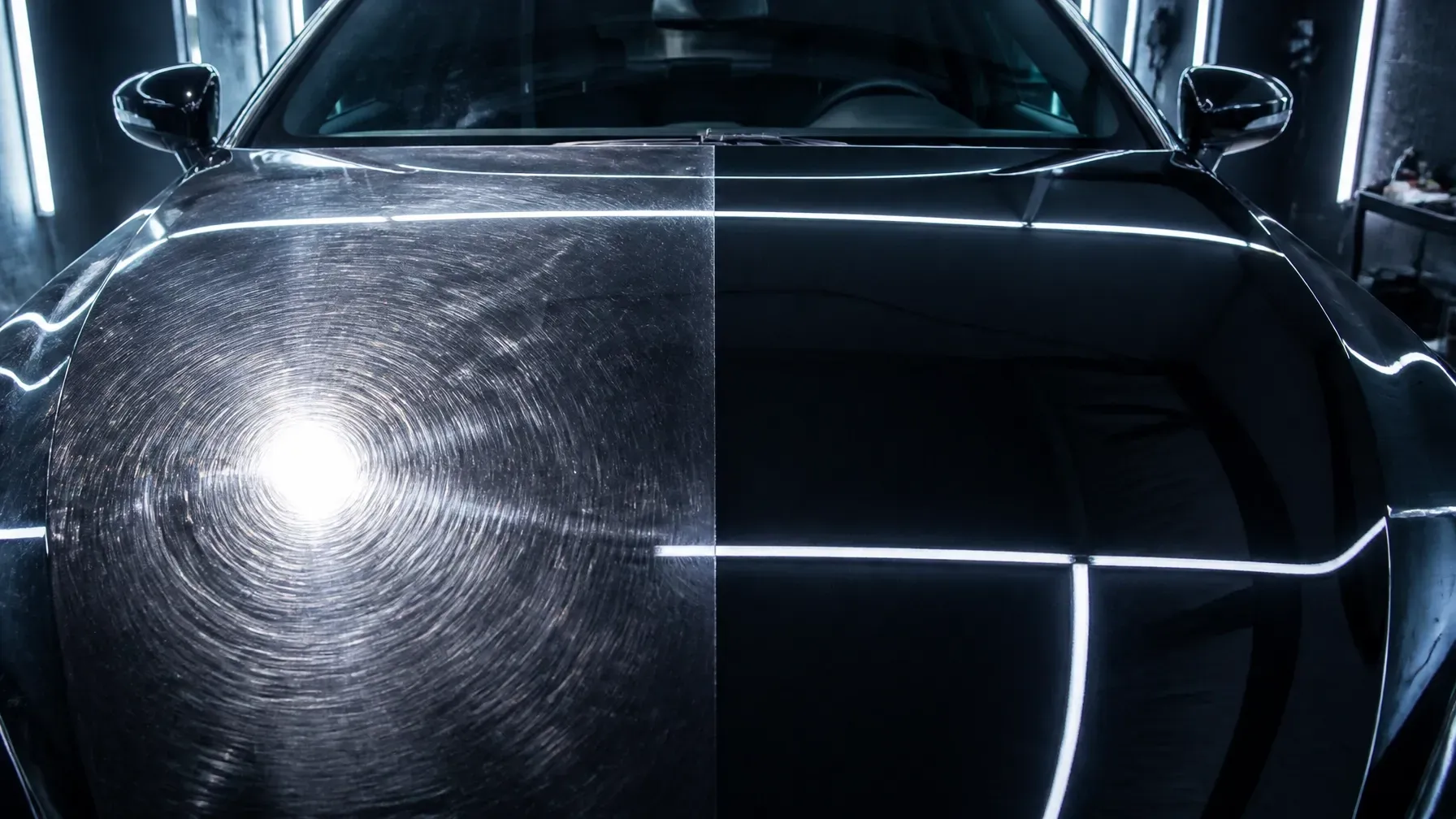
LPPF application starts with thorough paint decontamination and correction. We remove embedded contaminants through clay treatment, then address any existing scratches or swirls with polishing. The surface must be perfectly smooth: any imperfection under the film becomes permanent and visible
.
Film installation happens entirely by hand. We position protective material across target panels, working from center outward to eliminate air pockets. Squeegees and heat tools allow us to wrap complex curves around mirrors, bumper contours, and badge areas without stretching or distorting the film. Edge sealing prevents lifting from pressure washing or highway wind speeds.
After LPPF cures, we apply ceramic coating across all painted surfaces, wheels, and glass. The coating bonds chemically during a 24-hour curing period, creating that semi-permanent protective layer. Multiple coating layers build thickness and extend durability: premium packages include up to three applications for maximum longevity.
This comprehensive process typically spans two days for full vehicle coverage. We don't rush the chemistry or skip preparation steps to hit quotas. You get personalized attention through every phase.
Where Do We Provide Hand-Applied LPPF and Ceramic Coating?
Ceramic Enthusiasts serves Houston and surrounding communities where commuters face the worst rock chip exposure. Our mobile detailing service brings professional-grade protection directly to your location in Houston, Pearland, League City, Friendswood, Pasadena, and South Houston.
Whether you commute daily on 288, navigate Clear Lake traffic, or run routes along the Gulf Freeway, LPPF provides the physical protection your paint needs to survive Houston's roads and climate.
We focus on delivering results that last years, not months. Over a decade of experience applying protective coatings means we understand which combinations perform best under local conditions. Our owner-operated model ensures the same attention to your vehicle that we'd give our own.
Ready to Stop Rock Chips Before They Start?
Rock chip prevention requires the right protection applied correctly. LPPF provides physical impact resistance that ceramic coating cannot match, while ceramic coating delivers chemical defense and shine that LPPF needs on top.
Connect with Ceramic Enthusiasts to discuss LPPF and ceramic coating options for your vehicle. We'll evaluate your driving patterns, parking conditions, and protection priorities to recommend the right combination. Call 281-626-9384 to schedule your consultation and see how hand-applied protection preserves your paint investment against everything Houston delivers.
Your paint faces rock chips every time you merge onto the freeway. LPPF stops them cold.
You might also like
Ceramic Enthusiasts