
The Real Cost of a $10 Car Wash: Why 'Express' is Killing Your Resale Value
This is a subtitle for your new post
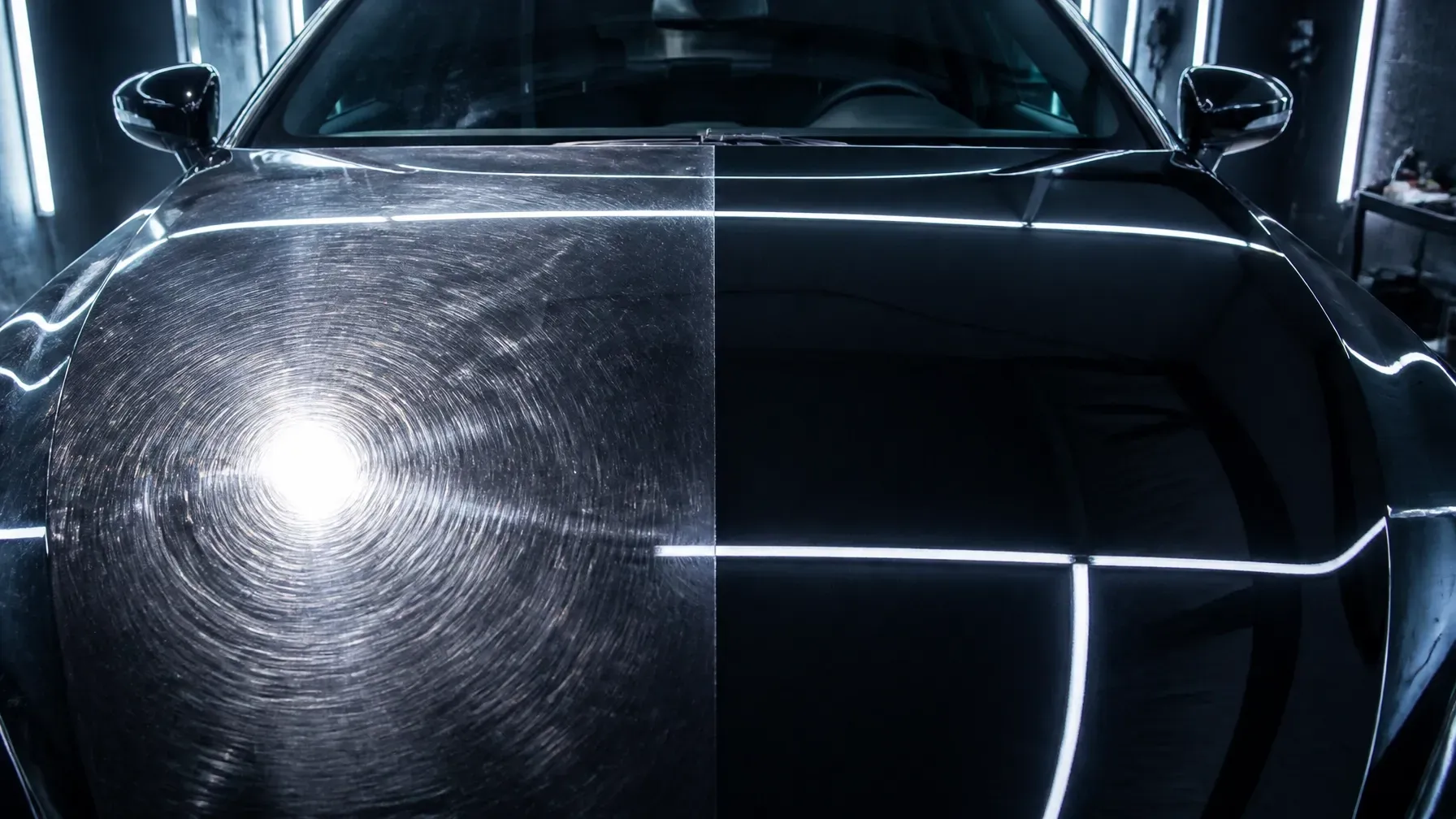
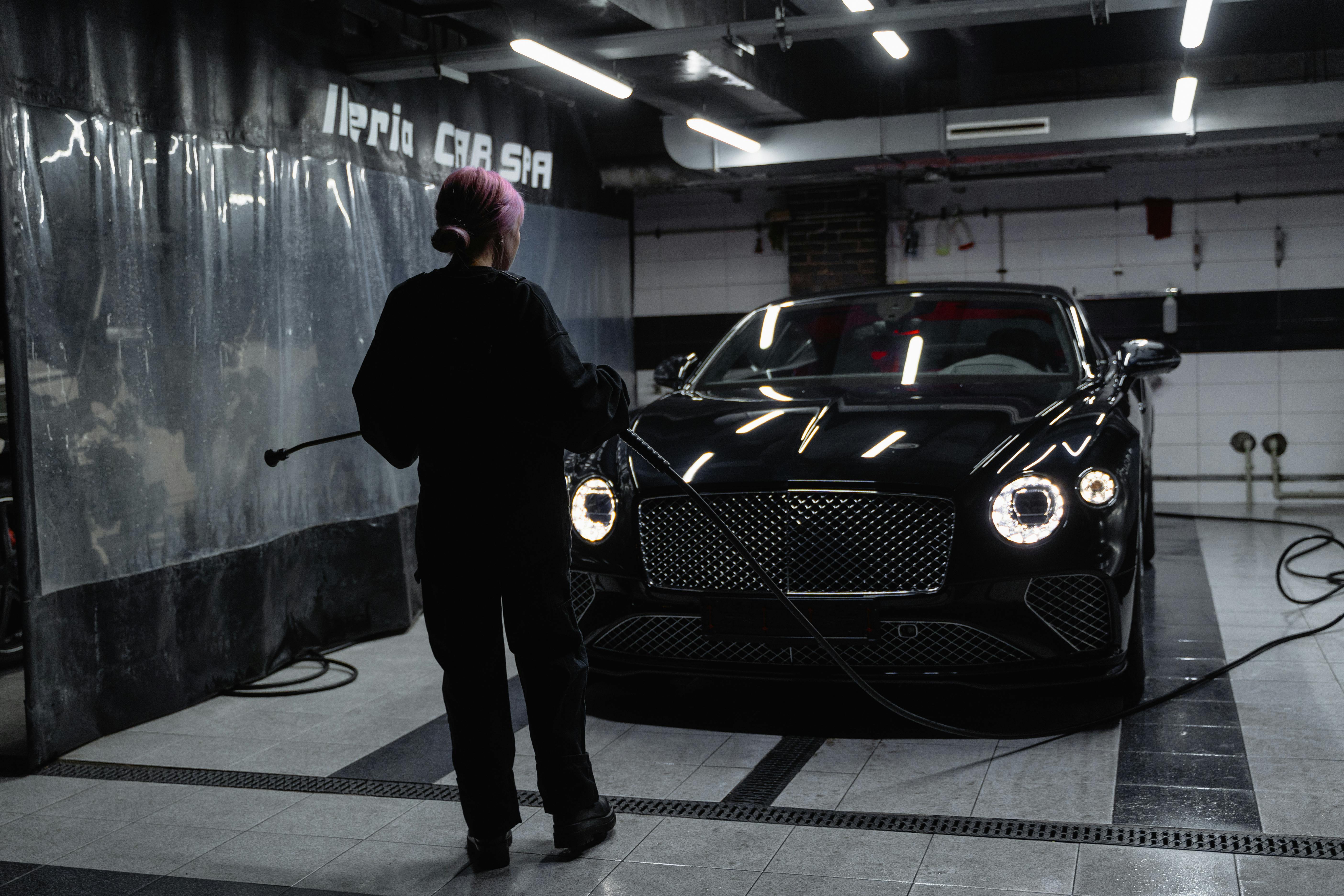
A ten-dollar car wash in Houston is not a bargain; it is a down payment on a four-figure paint correction bill. Every time you pull into an express tunnel wash in Pearland or Sugar Land, you are subjecting your vehicle's clear coat to a mechanical assault that strips value faster than any depreciation curve. While the convenience of a five-minute "slap-and-dash" service is tempting, the long-term consequences are etched permanently into your paint in the form of swirl marks, micro-marring, and chemical oxidation.
Protecting your investment requires more than a subscription to a local wash tunnel. It requires an understanding of how these facilities operate and why their "soft touch" brushes are anything but gentle. At Ceramic Enthusiasts, we see the aftermath daily: once-vibrant finishes dulled by thousands of microscopic scratches that rob the vehicle of its depth and clarity. If you value your car's resale value and aesthetic appeal, it is time to look past the neon lights of the express tunnel and realize what is actually happening to your exterior.
Why Do Tunnel Car Washes Damage Your Vehicle's Finish?
The primary culprit behind the "spiderweb" effect on your paint is the friction-based brush system found in most Houston car washes. These large, spinning assemblies are designed for durability and speed, not for the preservation of your clear coat. As these brushes cycle through hundreds of cars per day, they act as a massive trap for grit, road salt, and debris from the vehicles that entered before you.
When those contaminated brushes slap against your paint at high speeds, they effectively act like sandpaper. This process, often called "marring," creates a network of fine, circular scratches that become highly visible under the harsh Texas sun. Because these facilities focus on volume rather than precision, there is no one checking the brushes for trapped contaminants or ensuring the equipment is properly maintained. The result is a cumulative degradation of your paint’s surface that can only be fixed through professional paint correction.
Can Recycled Water and Harsh Chemicals Strip Your Protection?
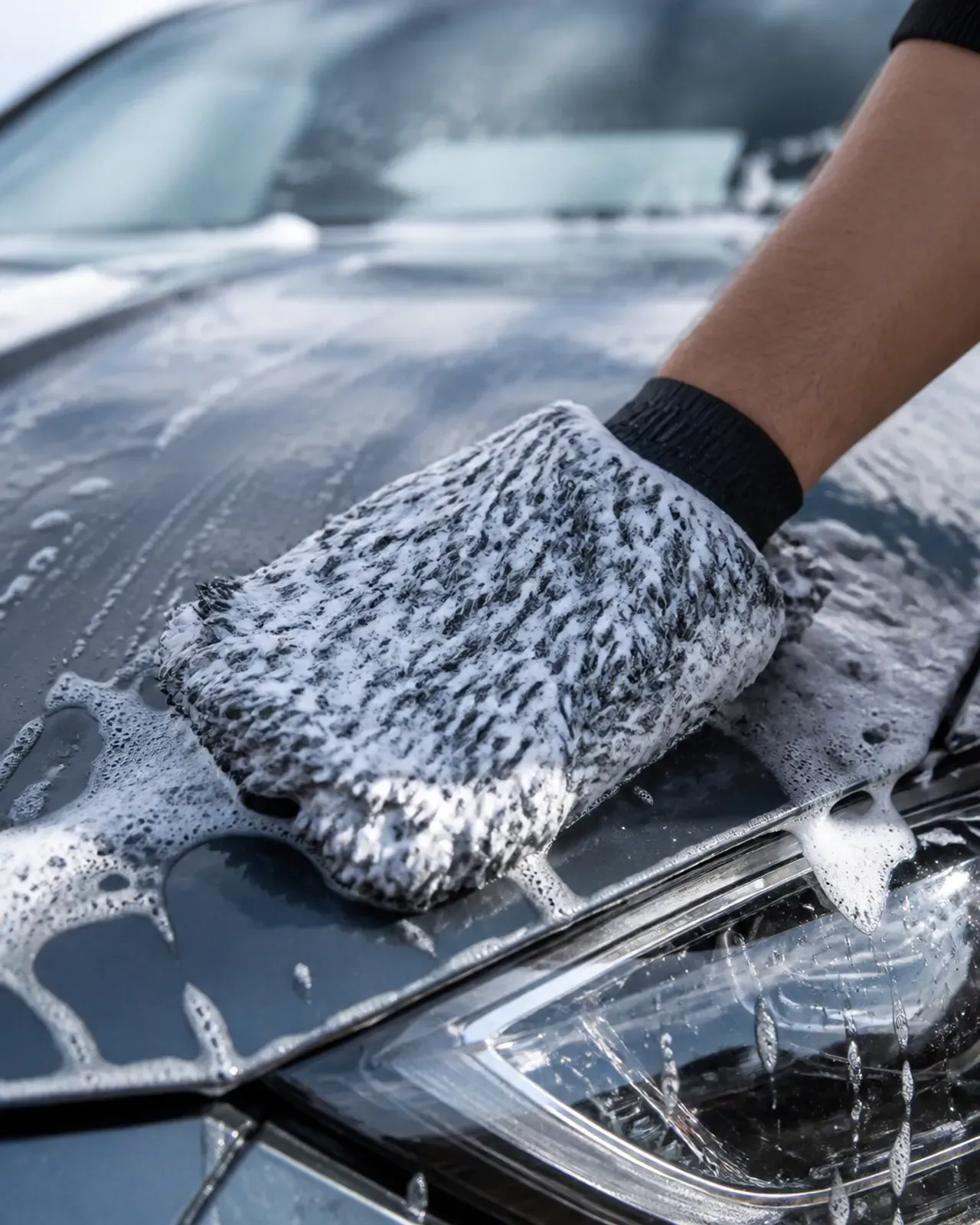
Beyond the physical damage caused by friction, the chemistry of an express wash is equally detrimental. Many tunnel facilities in League City and Friendswood utilize recycled water to manage costs and meet environmental regulations. While this is efficient for the business, it means your car is being sprayed with water that has already processed the dirt and chemicals from dozens of previous vehicles. Even with filtration systems, micro-particulates can remain in the water, contributing to the "sandblasting" effect during the high-pressure rinse cycles.
To compensate for the lack of manual scrubbing, these washes rely on industrial-grade, high-pH detergents. These aggressive chemicals are formulated to break down heavy road grime quickly, but they do not discriminate. They will aggressively strip away traditional waxes and sealants, leaving your paint unprotected and vulnerable to Houston’s intense UV exposure. Over time, these chemicals also dry out plastic trim and rubber seals, leading to premature fading and cracking. Without a semi-permanent layer like an automotive ceramic coating, your clear coat is essentially defenseless after a single trip through a high-intensity tunnel.
How Does Swirl Damage Impact Your Car's Resale Value in Houston?
Vehicle appraisers and discerning private buyers look at one thing before even opening the door: the condition of the paint. A car covered in swirl marks and micro-marring signals a lack of maintenance. In the competitive Houston car market, a dull, neglected finish can easily shave thousands of dollars off your resale value. If a buyer sees a "mirror-like finish" with deep clarity, they assume the mechanical components have been equally cared for. If the paint is flat and scratched, they see a liability.
The math is simple but painful. A "cheap" $10 wash performed weekly adds up to $520 a year. However, the damage caused by those 52 washes will eventually necessitate a professional paint correction, which often starts at $1,000 and can go much higher depending on the severity. By attempting to save time and money on maintenance, you are effectively paying twice: once for the wash that damages the car, and once for the professional to fix the damage. When you factor in the lost equity during a trade-in, the true cost of an express car wash is staggering.
What Makes the Professional Touch at Ceramic Enthusiasts Different?
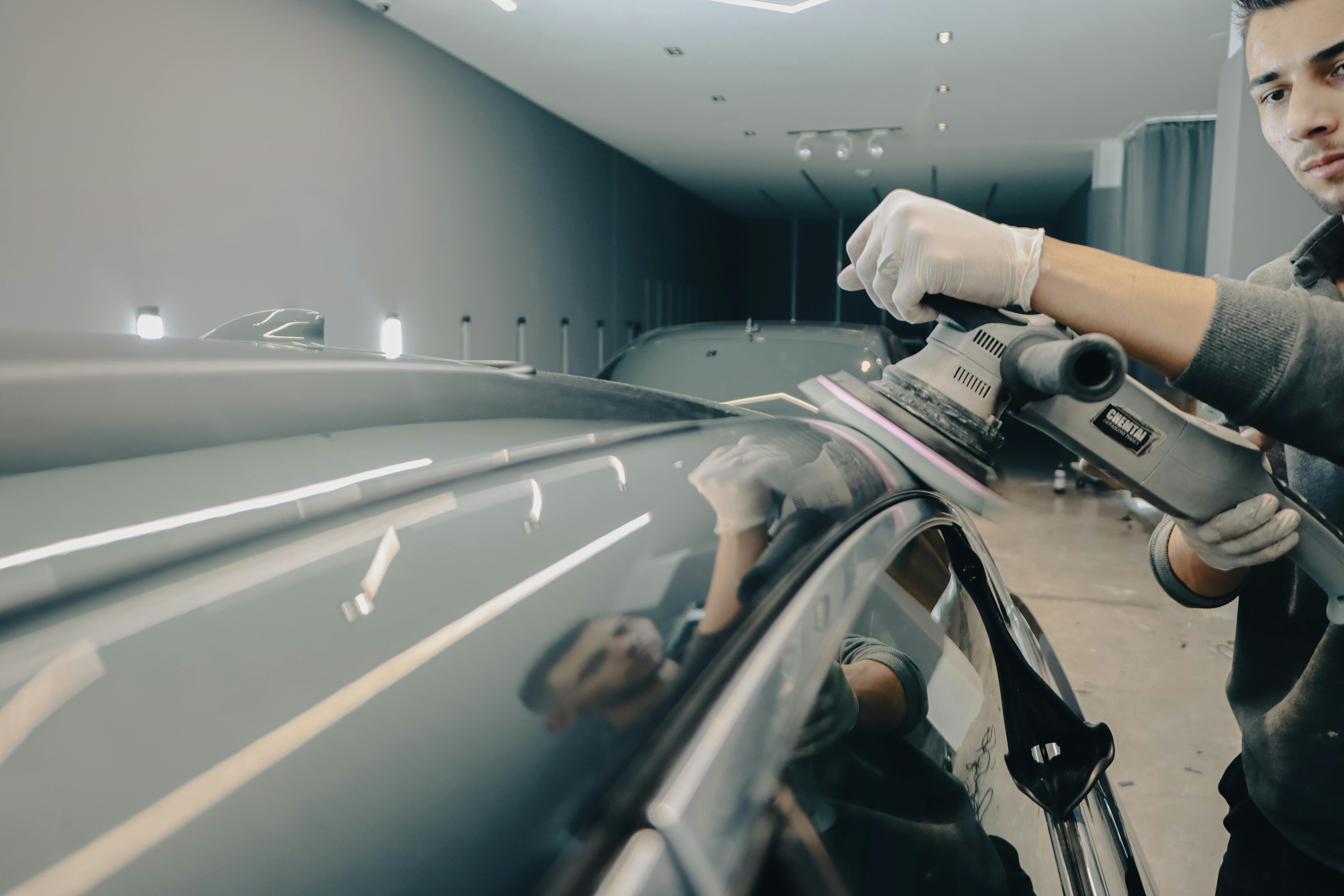
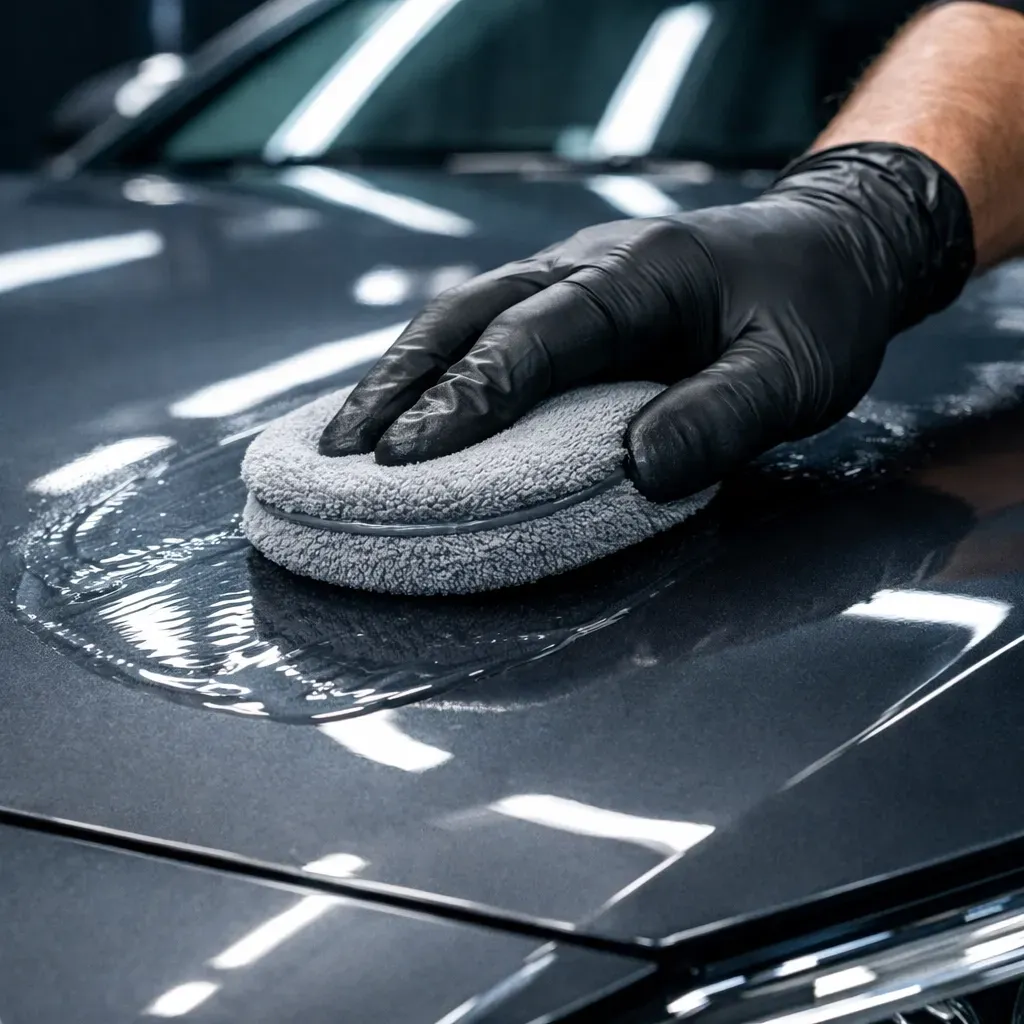
The "one-car-at-a-time" approach is the only way to ensure your vehicle receives the meticulous attention it deserves. At Ceramic Enthusiasts, we operate with over a decade of experience, focusing on precision rather than throughput. Unlike the rushed environment of a tunnel wash, our process begins with a comprehensive decontamination. This involves removing bonded surface contaminants like iron particles and industrial fallout that a tunnel wash simply cannot touch.
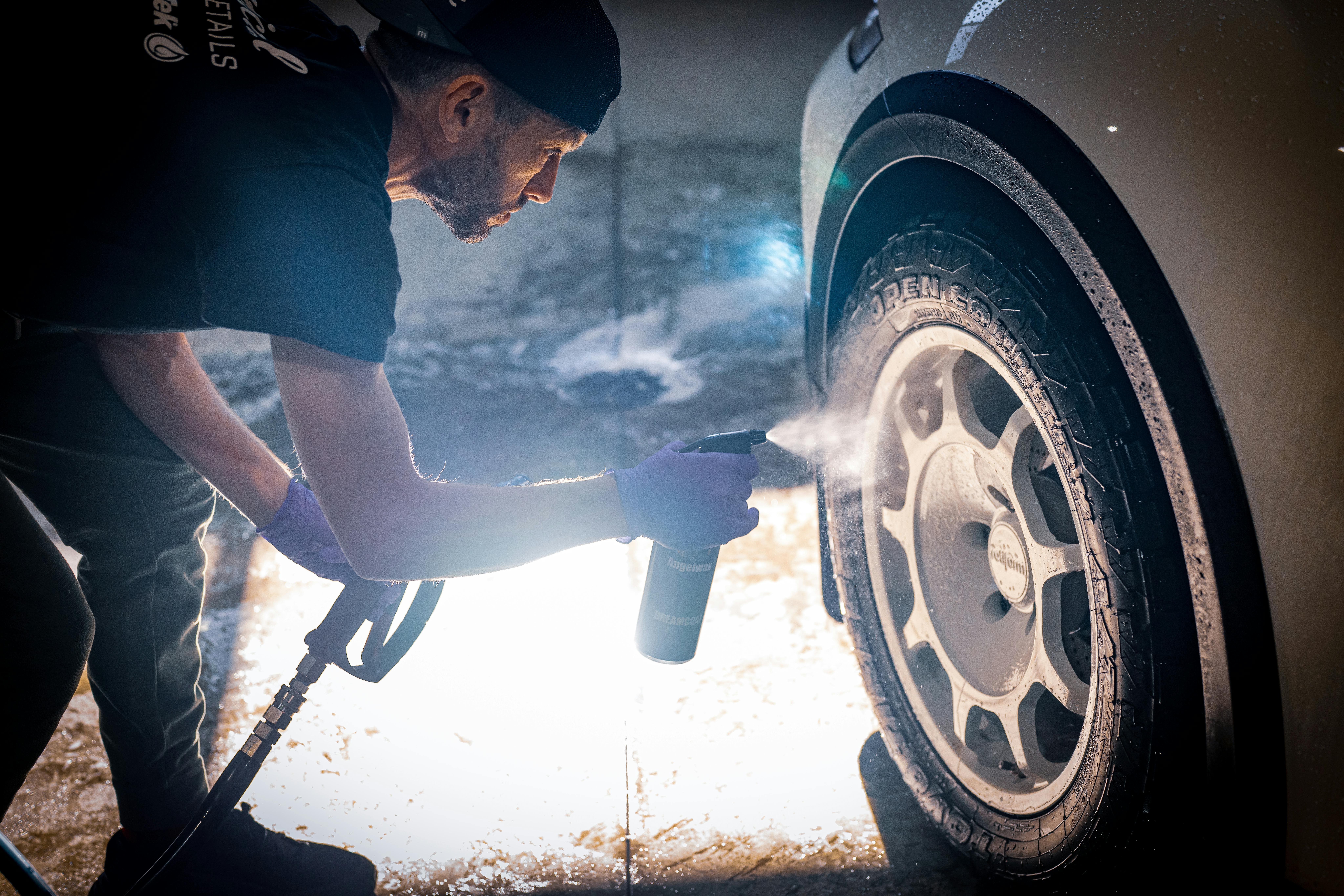
Our hand-washing technique utilizes the "two-bucket" method and premium microfiber mitts, ensuring that no dirt is ever reintroduced to the paint. This level of care is what prevents swirl marks from ever forming. Whether you are in Pasadena or Deer Park, our owner-operated service delivers a standard of cleanliness that automated systems cannot replicate. We don't just "wash" cars; we preserve automotive investments through a disciplined, technical process.
How Do LPPF and Ceramic Coatings Defend Against Environmental Damage?
To truly break the cycle of damage and restoration, you must invest in advanced protection. We offer two primary solutions that are tailored to survive Houston’s humidity and heat: Liquid Paint Protection Film (LPPF) and Ceramic Coatings. These are not just "extras"; they are essential barriers between your car and the world.
Liquid Paint Protection Film (LPPF) is a premium, hand-applied solution that offers a sacrificial layer of defense. Unlike traditional spray methods, our LPPF is carefully worked into the surface by hand using professional squeegees and tools. This ensures a seamless, high-clarity bond. One of the most significant advantages of LPPF is its ability to be re-leveled. If a rock impact or environmental contaminant causes a blemish, we can restore the finish without having to strip and reapply the entire product.
Pairing LPPF with an automotive ceramic coating creates a synergistic defense system. The ceramic coating provides extreme hydrophobic properties, repelling water and road grime so effectively that traditional washing becomes faster and safer. This combination ensures that the clarity achieved through paint correction remains permanent.
This is paragraph text. Click it or hit the Manage Text button to change the font, color, size, format, and more. To set up site-wide paragraph and title styles, go to Site Theme.
You might also like
Ceramic Enthusiasts