Traditional paint protection film has dominated the Houston auto detailing scene for years. But there's a problem: visible seams, lifting edges, and the reality that one rock chip on Highway 288 means stripping and replacing an entire panel. Liquid Paint Protection Film (LPPF) changes that equation completely.
LPPF delivers the impact resistance of traditional film with the seamless application of ceramic coating. No edges. No seams. And here's the game-changer: if you catch a rock chip driving through Pearland or South Houston, we can re-level the damaged section without touching the rest of your vehicle. That's a level of repairability traditional PPF simply can't match.
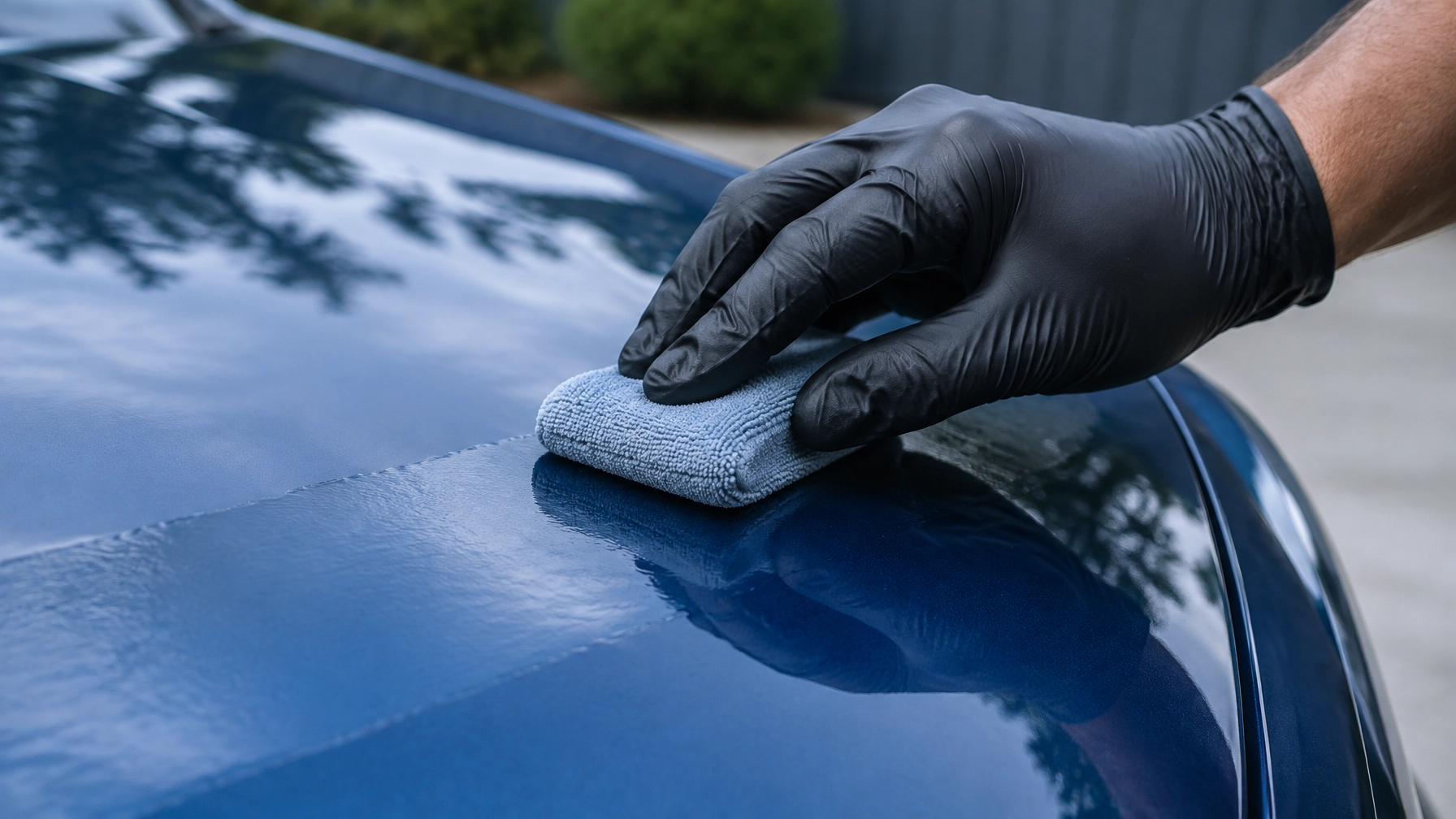
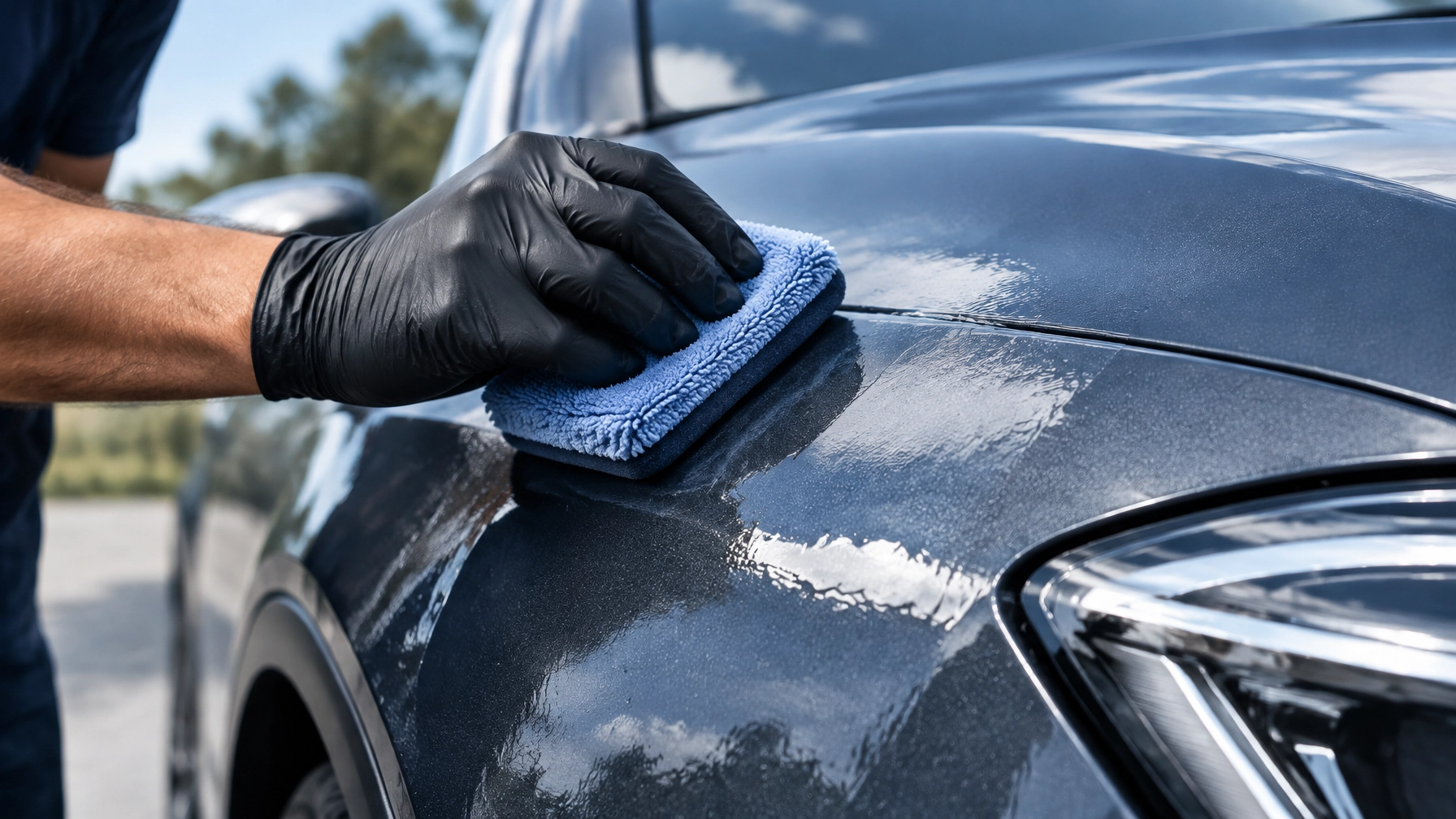
Just as important: LPPF is a hand-applied, detail-driven service. We build the film deliberately, leveling it by hand for uniform thickness and a clean, seamless finish.

What Exactly Is Liquid PPF?
Liquid Paint Protection Film is a urethane-based coating that bonds at the molecular level to your vehicle's clear coat. Unlike traditional PPF: which arrives as pre-cut sheets applied panel by panel: LPPF goes on as a liquid and cures into a flexible, re-leveling protective layer that’s carefully built and leveled by hand.
The formula combines the impact absorption properties of traditional film with hydrophobic characteristics found in premium ceramic coatings. Once cured, LPPF creates a barrier approximately 8-10 mils thick, standing up to road debris, UV exposure, and the environmental contaminants Houston throws at every vehicle on the road.
Because LPPF is applied as a liquid film and hand-leveled for consistency, it conforms perfectly to curves, body lines, and intricate surfaces that would require multiple film pieces with traditional PPF. Mirrors, door handles, and complex contours receive uniform protection without visible transitions or weak points where edges meet.
The coating self-heals minor scratches through heat activation: either from the sun or warm water. Surface-level swirls and light abrasions disappear as the urethane polymer reorganizes itself. For Houston drivers dealing with automated car washes or tight parking situations, that its ability to be re-leveled preserves the mirror-like finish over years, not months.
How Does the Re-Leveling Process Work?
Here's where LPPF separates itself from traditional film. When a rock hits your hood on Highway 288 and creates a chip or gouge, traditional PPF requires removing and replacing the entire affected panel's film. That means peeling off perfectly good protection, disposal costs, and labor charges that add up fast.
With LPPF, we address localized damage through re-leveling. The damaged section is carefully prepared through light sanding to remove compromised material and create a smooth transition zone. Fresh LPPF is then applied to the affected area, feathering seamlessly into the surrounding protected surface.
Because LPPF cures through chemical bonding rather than adhesive backing, the new application integrates with the existing coating at the molecular level. There's no visible repair line, no thickness variation you can feel with your hand, and no weak point where old meets new.
This repair capability matters in Houston. Our freeways move fast, our construction zones are constant, and gravel trucks heading to and from industrial corridors drop debris regularly. The question isn't if your vehicle will take a rock chip: it's when. LPPF ensures that single impact doesn't turn into a $500+ panel replacement.

Why Does Houston's Climate Make LPPF the Smart Choice?
Houston operates at the extreme end of automotive stress testing. Summer temperatures regularly hit 95 degrees with humidity levels that keep surfaces hot long after sunset. UV exposure is intense. Add in the salt air from the Gulf, industrial fallout from the shipping channel, and acidic rain from refineries, and you're looking at conditions that age vehicle paint faster than almost anywhere in the continental United States.
Traditional PPF performs well in these conditions but comes with vulnerabilities. Seams and edges create entry points for moisture and contaminants. Over time, lifting can occur, especially around curves and recesses where heat cycling causes expansion and contraction. Once an edge lifts, the clock starts ticking on replacement.
LPPF eliminates seam-related failures because there are no seams. The continuous coating expands and contracts uniformly across the entire protected surface. Houston's temperature swings: from air-conditioned parking garages to 140-degree surface temps in direct sun: don't create stress points where different materials meet.
The hydrophobic properties built into LPPF repel water at the molecular level, shedding Houston's frequent thunderstorms while preventing water spots and mineral deposits. During our extended humid periods when condensation forms on vehicles overnight, LPPF's surface tension keeps moisture beaded rather than spread across the paint, reducing the dwell time for contaminants to etch into your clear coat.
UV stabilizers within the urethane formula prevent yellowing and degradation even under Texas sun exposure that would compromise lesser coatings within months. The protection maintains clarity and impact resistance through dozens of weather cycles, delivering consistent performance whether you're parking at Pearland Town Center or commuting through League City.
How Does Liquid PPF Compare to Traditional Film?
Cost efficiency drives part of LPPF's growing adoption. Traditional PPF installation for a full vehicle runs $5,000-$8,000 depending on size and complexity. LPPF delivers comparable protection at approximately 40% less: not because we're cutting corners, but because the application process requires less material waste and fewer labor hours for trimming and positioning.
Installation speed tells another part of the story. Traditional PPF on a sedan takes 16-20 hours of meticulous cutting, positioning, and microfiber applicator pad work. LPPF application typically completes in 8-12 hours once proper paint correction and surface prep are finished. That time difference matters for owner-operated services where we're not rushing to turn around multiple vehicles per day.
Coverage completeness separates the two approaches significantly. Traditional film leaves gaps: areas too complex to wrap cleanly or where seams would be too visible. Antenna bases, sensor housings, tight crevices around badging: these spots either go unprotected or require custom cutting that still results in visible edges.
LPPF reaches every surface your paint does. We mask what shouldn't be coated (glass, rubber seals, unpainted plastics), then spray complete coverage across all exposed painted surfaces. The result is comprehensive protection without compromise.
Maintenance requirements favor LPPF for Houston drivers. Traditional PPF edges can catch wax buildup, trap dirt, and require careful washing technique to avoid peeling. LPPF presents a uniform surface that cleans like factory paint: no special handling, no edges to baby, no concerns about automated washes catching film and causing damage.

Which Vehicle Types Benefit Most From LPPF?
Daily drivers logging serious freeway miles see immediate returns from LPPF protection. If you're commuting from Friendswood to downtown Houston or running between Pearland and Pasadena regularly, your vehicle faces constant bombardment from road debris. LPPF absorbs those impacts while maintaining the factory finish underneath.
Luxury and performance vehicles represent another ideal application. Mercedes, BMW, Audi, Tesla: these manufacturers invest heavily in multi-stage paint processes that deliver incredible depth and clarity. LPPF preserves that factory finish without the seam lines that traditional PPF leaves visible on dark colors. The seamless application maintains the visual integrity German and Japanese engineers designed into the vehicle.
Leased vehicles gain strategic advantage from LPPF. Lease return inspections ding you for paint damage, rock chips, and excessive wear. LPPF prevents those charges while staying within modification guidelines since it's removable if required. The re-leveling capability means you can address any damage that does occur before the vehicle goes back, maintaining residual value and avoiding end-of-lease fees.
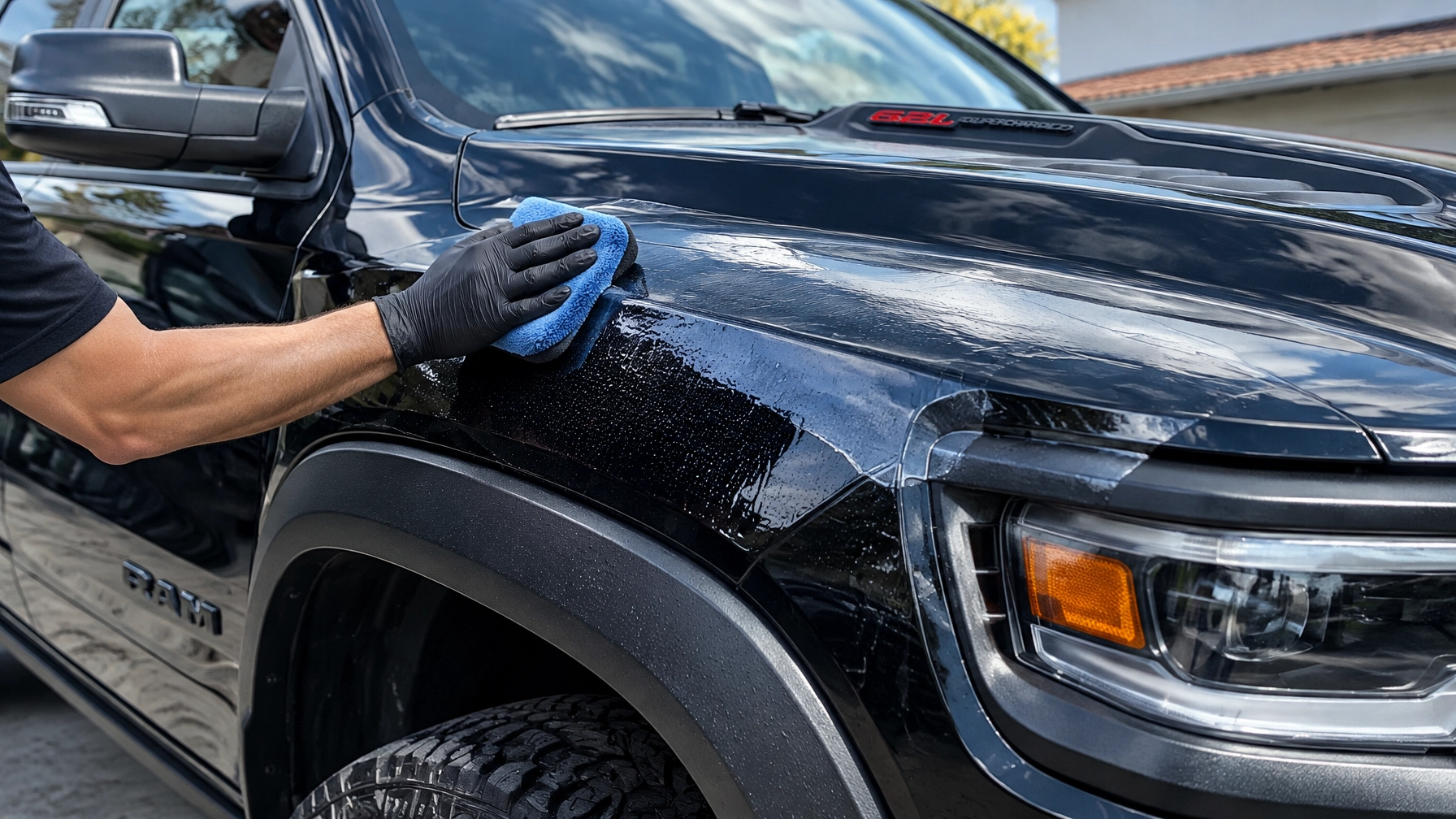
Trucks and SUVs benefit from LPPF's flexibility around wheel wells, fender flares, and textured surfaces that traditional film struggles to conform to cleanly. Pickups hauling equipment or towing trailers face more aggressive debris patterns: LPPF handles that abuse while simplifying cleanup after weekend projects or job site visits.
Can LPPF Be Combined With Ceramic Coating?
Absolutely. LPPF protects against physical damage: rock chips, scratches, abrasion from road debris. Ceramic coating adds chemical resistance, enhanced hydrophobics, and that distinctive wet-look depth that makes paint appear liquid under sunlight.
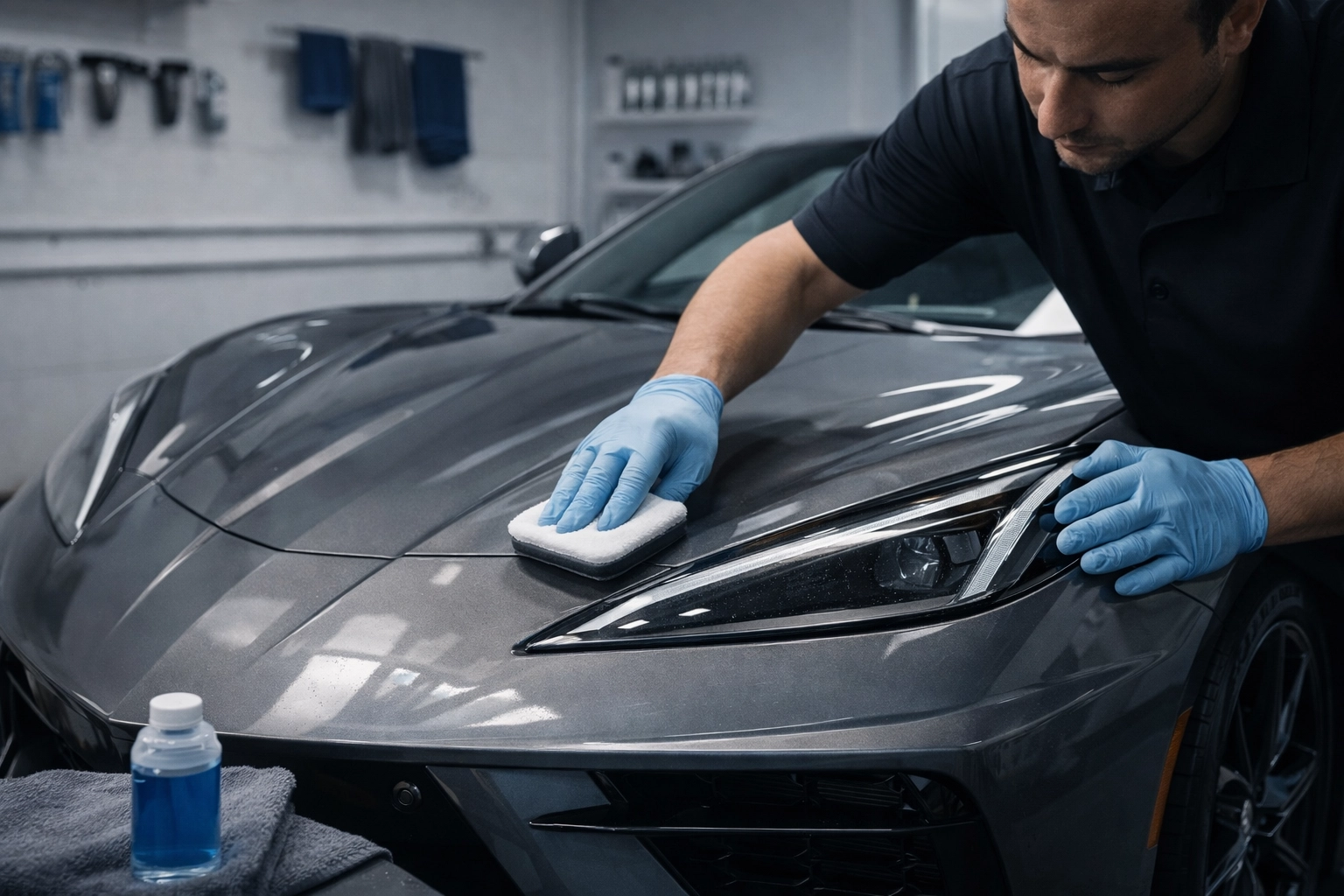
The two services complement rather than compete. LPPF goes down first, creating the impact-resistant foundation. Once cured, we apply ceramic coating over the LPPF surface, bonding to the urethane and delivering additional protection against environmental fallout, bird droppings, tree sap, and the industrial contaminants Houston vehicles encounter daily.
This layered approach gives you the best of both protection systems. Physical impacts hit LPPF and disperse energy without reaching your paint. Chemical contaminants encounter ceramic coating's sacrificial layer and bead off before etching into surfaces. The combination extends the life of both coatings while maximizing your vehicle's protection against every threat Houston roads present.
Maintenance becomes simpler with the ceramic-over-LPPF approach. The ceramic layer sheds dirt more effectively than LPPF alone, meaning washing takes less time and requires fewer passes to achieve clean results. Water behavior improves significantly: sheeting action during rain keeps your windshield clearer and reduces the need for frequent washes during Houston's humid months.

Why Does Owner-Operated Application Matter for LPPF?
LPPF application demands precision that high-volume shops can't deliver when they're pushing three vehicles per day through their bays. Surface preparation determines coating performance. Any contamination left on the paint: embedded brake dust, bonded industrial fallout, microscopic rust particles: creates adhesion failure points where LPPF won't bond properly.
Our owner-operated approach means your vehicle receives meticulous decontamination before LPPF touches your paint. Clay treatment removes bonded contaminants. Paint correction eliminates defects that would telegraph through the coating. Surface inspection under proper lighting catches issues that spray-and-pray shops miss in their rush to the next appointment.
LPPF application technique separates adequate results from exceptional ones. Spray pattern consistency, fluid pressure, ambient temperature control, cure time management: these variables require experience and attention that's only possible when we're focusing on one vehicle at a time, not rushing to keep a schedule packed with back-to-back appointments.
The re-leveling capability that makes LPPF so valuable only works if the original application was done correctly. If contamination or improper cure conditions compromised the initial coating, re-leveling won't integrate properly. The foundation has to be right from the start, which demands the careful, unhurried approach owner-operated service provides.
Over a decade working with Houston vehicles, we've refined LPPF application for local conditions. We know how humidity affects cure times. We understand which areas take the most abuse on Highway 288 versus the Sam Houston Tollway. That regional expertise ensures your protection performs exactly as designed against the specific challenges Houston driving presents.
What's the Process for Getting LPPF Applied?
LPPF installation starts with assessment. We inspect your vehicle's current paint condition, note any existing damage, and determine whether paint correction is needed before protection goes down. LPPF won't hide swirls, scratches, or oxidation: it locks in whatever's underneath, so we correct first.
Surface preparation follows inspection. Complete wash removes loose dirt and grime. Clay bar treatment extracts bonded contaminants from the paint surface. Chemical decontamination dissolves iron particles and industrial fallout. The paint must be clinically clean before LPPF application begins.
Masking protects everything that shouldn't receive coating: windows, trim pieces, rubber seals, sensor housings. Proper masking takes time but prevents overspray issues and ensures clean lines where protected and unprotected surfaces meet.
LPPF application happens in controlled conditions. Temperature and humidity levels must fall within specific ranges for proper flow, leveling, and cure. We apply in multiple passes and level by hand, building thickness gradually rather than trying to achieve full coverage in one heavy coat. This detail-first approach eliminates runs, sags, and uneven thickness that compromise protection.
Cure time depends on ambient conditions but typically requires 24-48 hours before your vehicle is ready for delivery. Rushing cure invites problems. We don't release vehicles until LPPF has reached full hardness and can handle normal use without risk of damage.

Post-application care instructions are straightforward. Avoid automated car washes for the first week. Hand wash using pH-neutral soap and microfiber materials. Don't apply wax or traditional sealants: LPPF's hydrophobic properties handle water beading without additional products. If you want enhanced gloss and chemical resistance, ceramic coating can be added after LPPF fully cures.
Is LPPF the Right Choice for Your Houston Vehicle?
If you're driving Houston freeways regularly, parking in areas where door dings happen, or simply want to preserve your vehicle's appearance without the visible seams traditional PPF leaves behind, LPPF delivers protection that makes sense for local conditions.
The re-leveling capability alone justifies the choice for most Houston drivers. One rock chip shouldn't force you into replacing an entire hood's protection. LPPF's repairability turns what would be a major expense into a minor touch-up, keeping your protection intact and your budget reasonable.
For vehicles staying in the Houston area long-term: whether you're keeping your truck for a decade or protecting a lease through its three-year term: LPPF provides the durability and maintenance advantages that matter in our climate. The seamless application, its re-leveling capability, and chemical resistance handle everything from refineries fallout to thunderstorm abuse without creating new maintenance headaches.
Connect with us at 281-626-9384 to schedule a consultation. We'll assess your vehicle's needs, explain how LPPF performs under Houston conditions, and give you a clear picture of what protection looks like for your specific driving patterns. Whether you're in Pearland, League City, or anywhere across the Houston metro, owner-operated precision ensures your LPPF application delivers the seamless, long-lasting protection your investment deserves.