
Liquid PPF Secrets Revealed: What Experts Don't Want You to Know About Rock Chip Repair vs. Protection
This is a subtitle for your new post
The body content of your post goes here. To edit this text, click on it and delete this default text and start typing your own or paste your own from a different source.
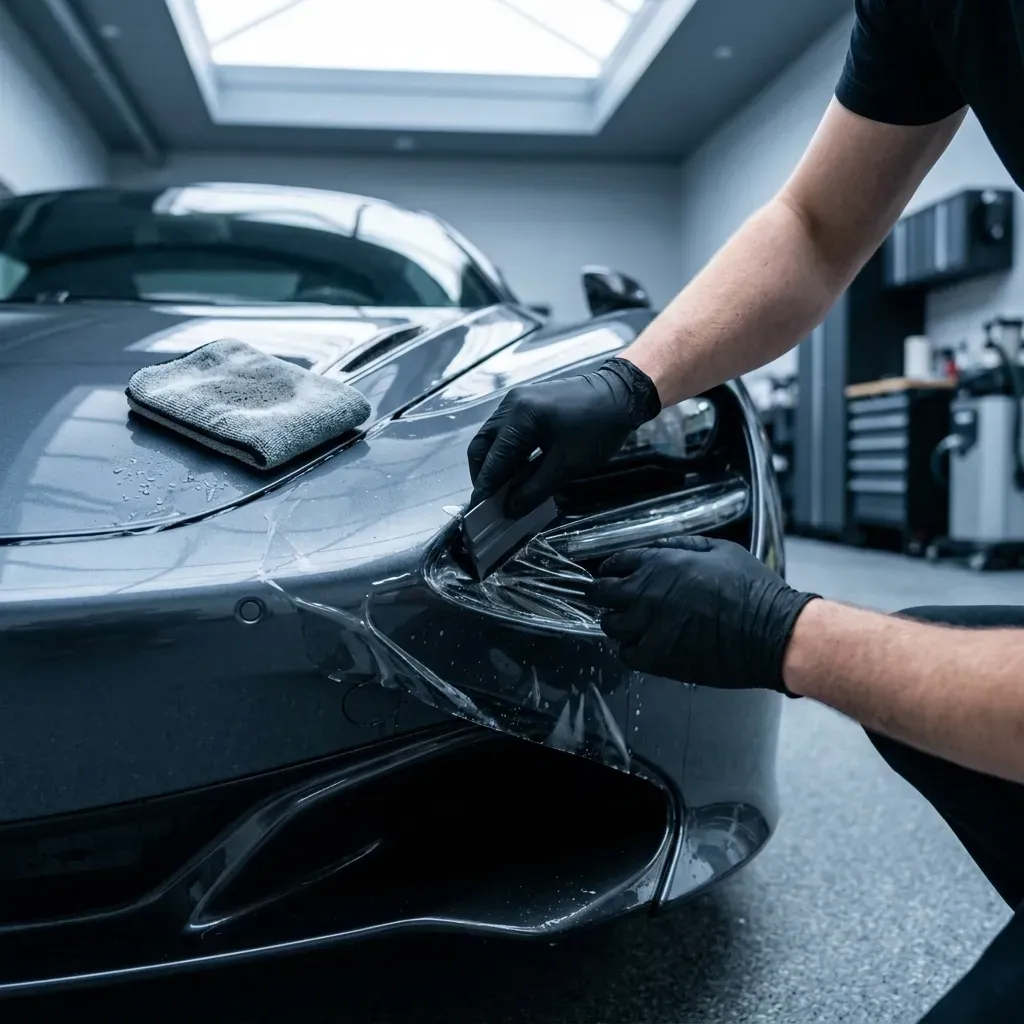
Driving on the Gulf Freeway or navigating the constant construction around Pearland and League City feels like a daily gamble for your vehicle’s paint. If you’ve ever followed a dump truck on Beltway 8, you know that sound: the sickening "crack" of a stone hitting your hood. Most drivers think the only solution is a reactive one: wait for the damage to accumulate and then seek out rock chip repair. However, the industry’s best-kept secret is that traditional repair is a losing game compared to proactive Liquid Paint Protection Film (LPPF). At Ceramic Enthusiasts, we’ve spent over a decade perfecting the art of surface protection, and we’ve seen why Houston drivers are moving away from touch-up pens and toward hand-applied liquid barriers.
What Is the Real Difference Between Rock Chip Repair and Proactive Protection?
Rock chip repair is reactive, meaning the damage is already done, and you are simply trying to hide the scar. When a rock hits your bare clear coat at 70 mph, it creates a crater that often reaches down to the primer or metal. Traditional repair involves filling that hole with touch-up paint. While this prevents rust, it rarely looks seamless. Under the harsh Texas sun, these "blobs" often shrink, fade, or remain visible as textured imperfections.
Liquid Paint Protection Film (LPPF) is a proactive, hand-applied polyurethane and acrylic hybrid that acts as a sacrificial layer. Instead of the rock hitting your paint, it hits a dense, impact-resistant shield. Because LPPF is applied in a thick, uniform layer across the entire panel, it absorbs the kinetic energy of the impact. The "secret" that many high-volume shops won't tell you is that repair is a recurring revenue stream for them, whereas high-end protection like LPPF is a long-term investment that keeps the vehicle in showroom condition without the need for constant "patchwork."
Why Does Liquid PPF Outperform Traditional Touch-Ups in the Houston Heat?
Houston’s climate is brutal on automotive finishes, with humidity and 100-plus degree days that can cause paint and repair materials to expand and contract at different rates. Traditional rock chip repairs often fail because the touch-up paint doesn't bond at a molecular level with the original factory finish. Over a few summer cycles in Pasadena or Friendswood, those repairs can flake off or discolor.
Liquid PPF is designed to withstand these extreme conditions. Because it is hand-applied and cured directly onto the surface, it becomes a semi-permanent part of the vehicle’s exterior. It doesn't just sit on top; it bonds securely to the clear coat, providing a seamless finish that doesn't have the edges or "peeling" risks associated with traditional film scraps or poorly executed touch-ups. When you choose an owner-operated shop like Ceramic Enthusiasts, you get a technician with 10 years of experience who understands exactly how these materials react to the local climate, ensuring the bond is perfect before the car ever leaves the studio.
Can Liquid PPF Really Be "Re-Leveled" After an Impact?
One of the most significant advantages of Liquid PPF: and something you won't find with traditional film or standard ceramic coatings: is the ability to re-level the surface. When a substantial rock impact occurs, it may leave a small blemish or "dent" in the protective film layer. In a traditional PPF scenario, a punctured film usually requires the entire panel to be stripped and re-installed, which is both time-consuming and expensive.
With LPPF, the material's unique chemical composition allows for professional re-leveling. Because the product is applied by hand, a skilled installer can use specific techniques to "flow" the material back into the blemish, effectively healing the impact site without removing the entire coating. This restores the smooth, high-gloss finish without the cost of a full re-installation. This "self-healing" and re-leveling capability is a game-changer for daily drivers in Sugar Land and Baytown who deal with heavy road debris daily.
How Is Liquid PPF Applied Compared to Traditional Methods?
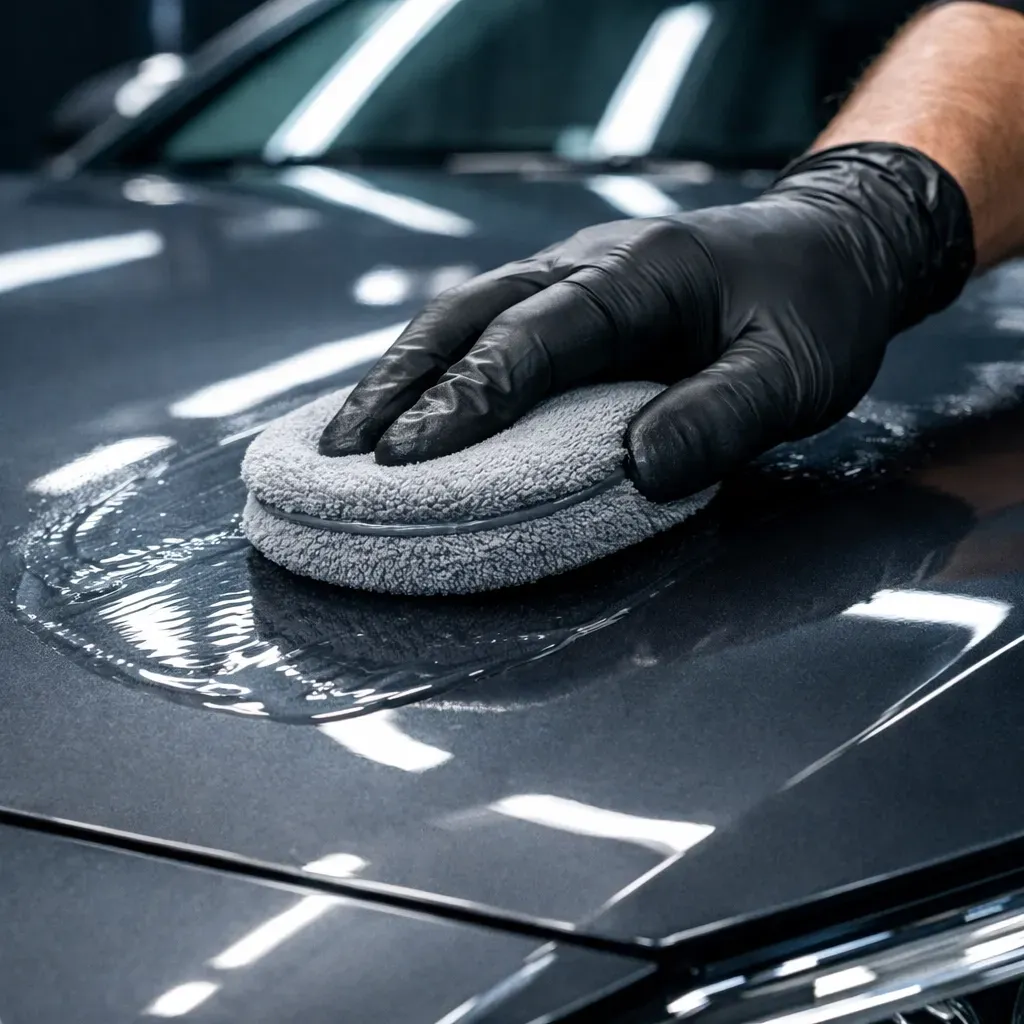
At Ceramic Enthusiasts, we believe in a meticulous, one-car-at-a-time approach. Unlike high-volume shops that may use automated sprayers or rushed film kits, our Liquid PPF is a hand-applied process. This ensures every curve, vent, and emblem is perfectly protected without the visible seams or "relief cuts" that plague traditional film installs.
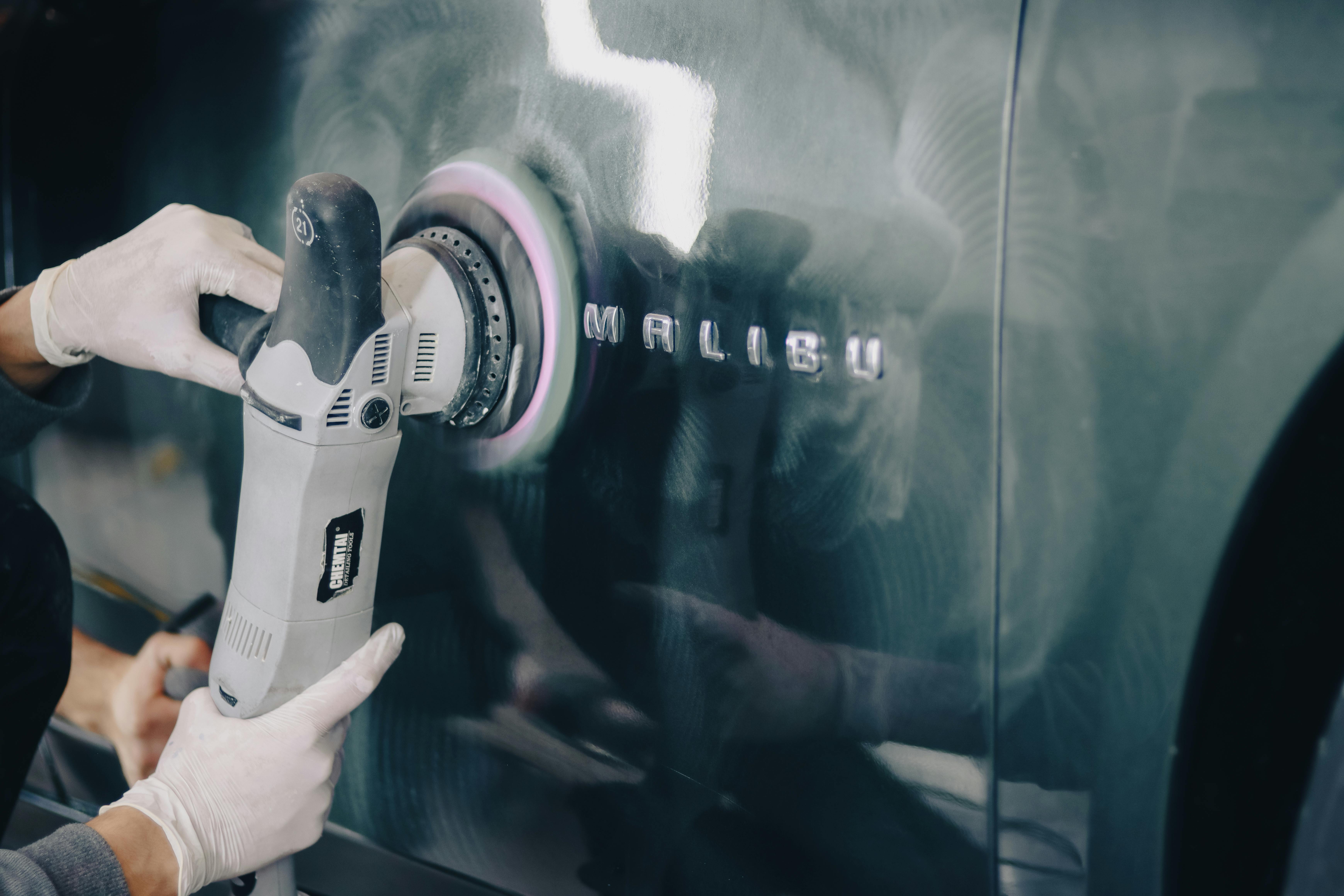
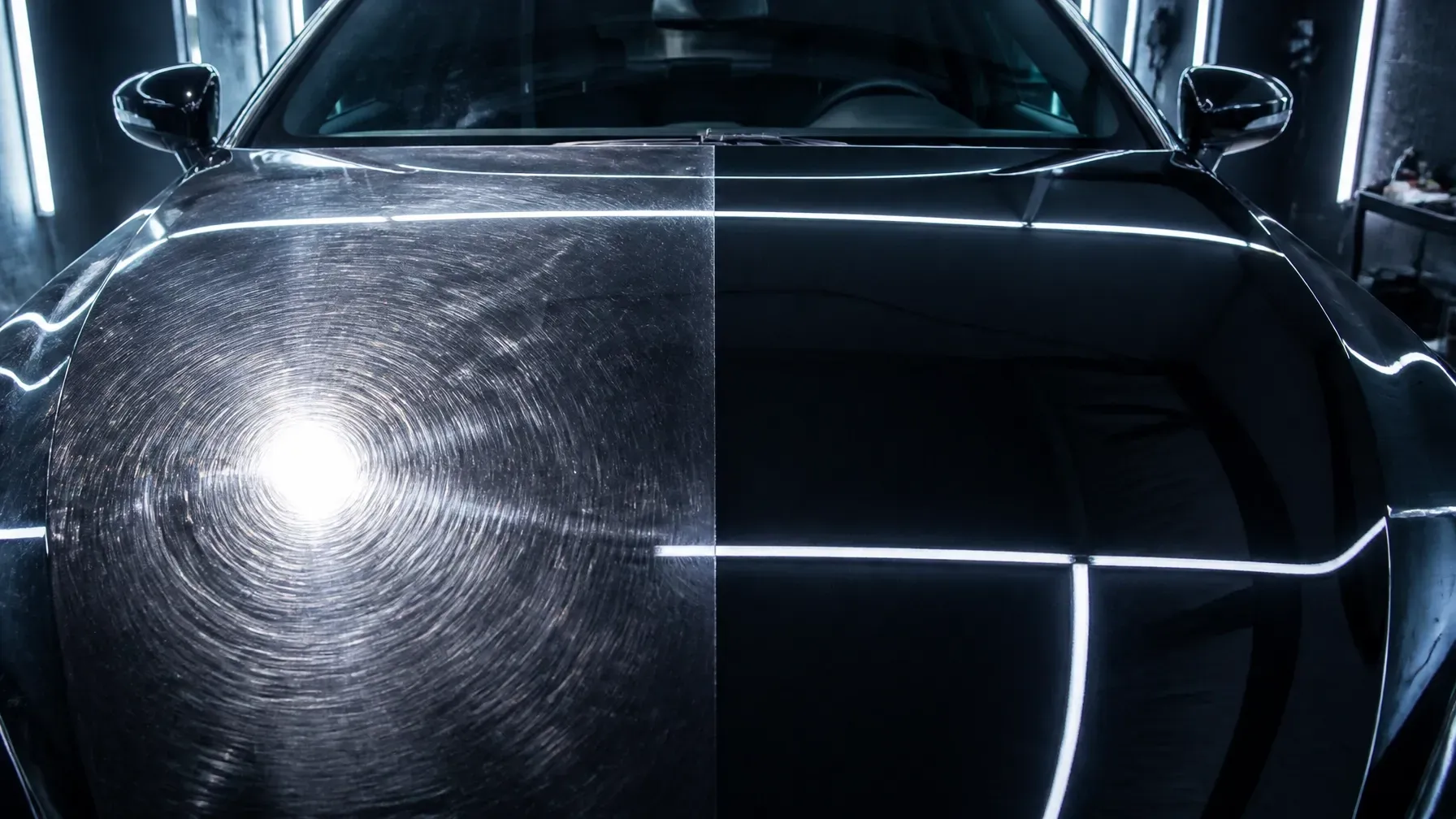
The process begins with an intensive decontamination and paint correction phase to ensure the surface is flawless. We then apply the liquid polyurethane hybrid using specialized hand tools and microfiber applicators. This allows us to control the thickness and uniformity of the protection, ensuring that high-impact areas like the front bumper and hood receive the maximum possible shield. By focusing on a single vehicle, we can provide the personalized attention required to ensure the LPPF cures perfectly, resulting in a mirror-like finish that is virtually invisible to the naked eye.
Is Liquid PPF Better Than a Standard Ceramic Coating for Rock Chips?
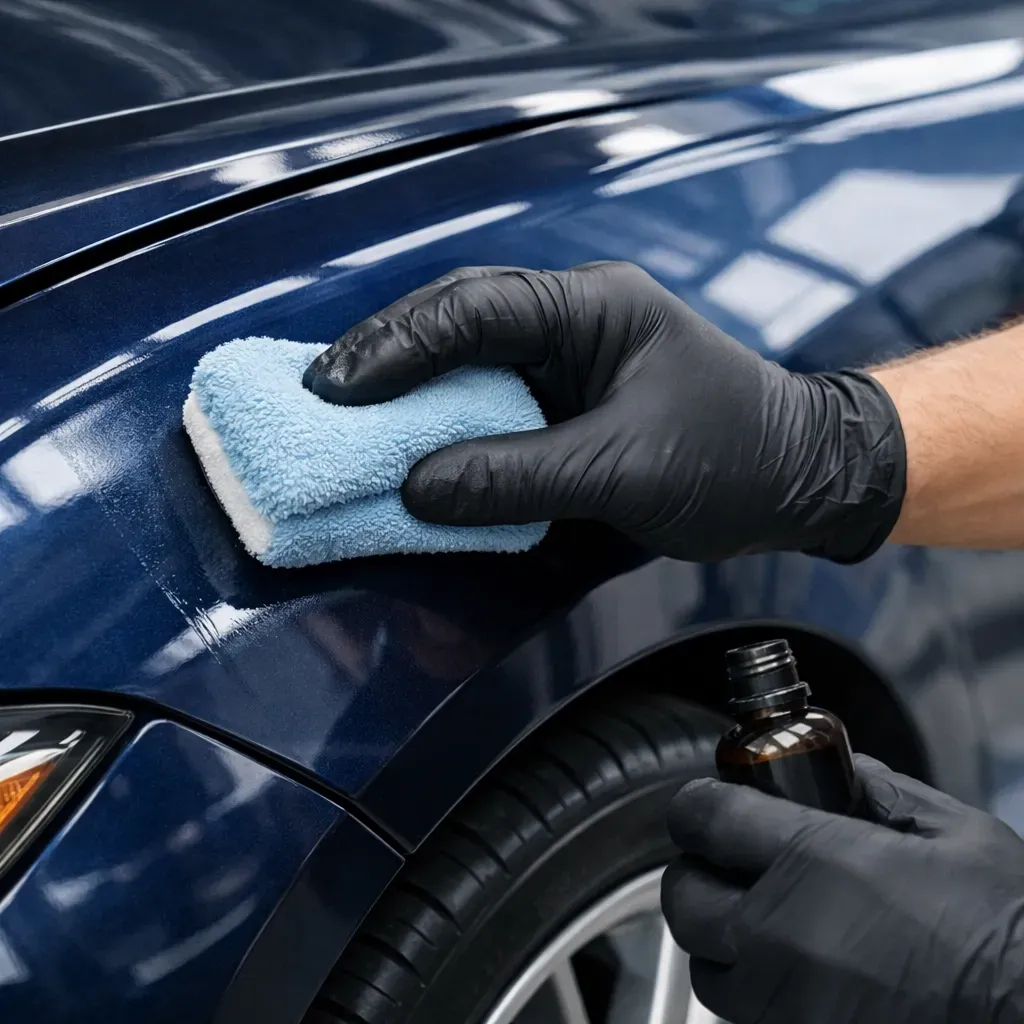
It is important to understand that while both offer protection, they serve different primary purposes. Ceramic coatings are world-class at providing chemical resistance, UV protection, and extreme hydrophobicity (water beading). They make your car much easier to wash and keep it looking incredibly glossy. However, a ceramic coating alone is often too thin to stop a high-velocity rock chip.
This is why we often recommend Liquid PPF as the primary impact barrier, which can then be layered with a ceramic coating for the ultimate protection package. Think of LPPF as the "armor" and the ceramic coating as the "shield." When combined, you get the impact resistance of the polyurethane hybrid and the self-cleaning, high-gloss properties of the ceramic. For owners in Pearland or League City, this dual-layer approach provides the most comprehensive defense against everything from road salt and bird droppings to gravel and debris.
Why Is the "One-Car-at-a-Time" Philosophy Crucial for Your Vehicle?
In the world of automotive detailing and protection, speed is the enemy of quality. Many shops in the Houston area operate on a volume-based model, pushing as many cars through the doors as possible. This leads to rushed prep work, skipped decontamination steps, and uneven application of protective products.
At Ceramic Enthusiasts, we operate differently. Being owner-operated means that the person you talk to on the phone is the same person meticulously working on your paint. We only take in one car at a time to ensure that your vehicle receives 100% of our focus. Whether you are in Pasadena or Deer Park, you deserve to know that your investment is being handled with the care it deserves. With over a decade of experience, we know that the difference between a good job and a perfect job is in the final 5% of the work: the part that high-volume shops usually skip.
Does Liquid PPF Provide Better Value Than Traditional Film?
While traditional film has been the standard for years, it comes with inherent flaws: yellowing over time, visible edges that collect dirt, and the risk of "lift" around complex curves. Liquid PPF eliminates these issues. Because it is a liquid-to-solid transformation, there are no edges to peel and no gaps where dirt can accumulate.
From a value perspective, the ability to re-level LPPF rather than replacing entire panels of film makes it a more cost-effective solution over the lifespan of your vehicle. When you consider the added benefit of a seamless appearance that doesn't hide your car's natural lines, the choice becomes clear for enthusiasts who want their vehicles to look "better than new" while remaining fully protected.
How Can You Get Started with Liquid PPF Protection?
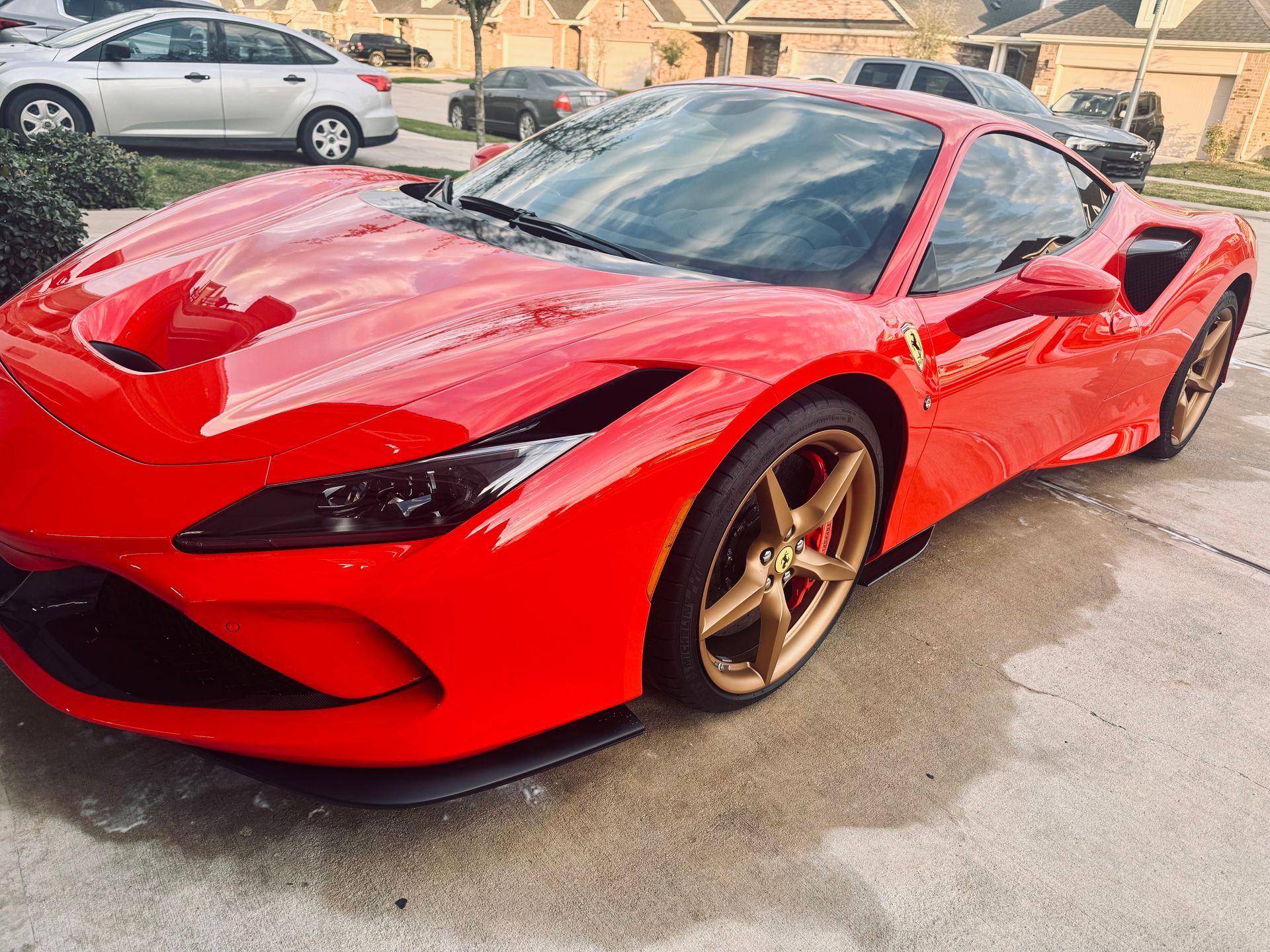
Protecting your vehicle should not be a stressful process. We invite you to browse our gallery to see the results of our hand-applied Liquid PPF and ceramic coating projects on everything from daily-driver SUVs to high-performance sports cars. If you are tired of seeing new rock chips every time you wash your car, it’s time to move from reactive repairs to proactive protection.
Whether you are located in Alvin, Texas City, or right here in the heart of the Houston area, Ceramic Enthusiasts is ready to provide the meticulous service your vehicle requires. Don't wait until the next construction project leaves its mark on your hood.
Contact us today at 281-626-9384 to schedule a consultation and discover how our 10+ years of expertise can keep your vehicle protected for the long haul.
You might also like
Ceramic Enthusiasts