
Do You Really Need Both LPPF and Ceramic Coating? Here’s the Truth for Houston Drivers
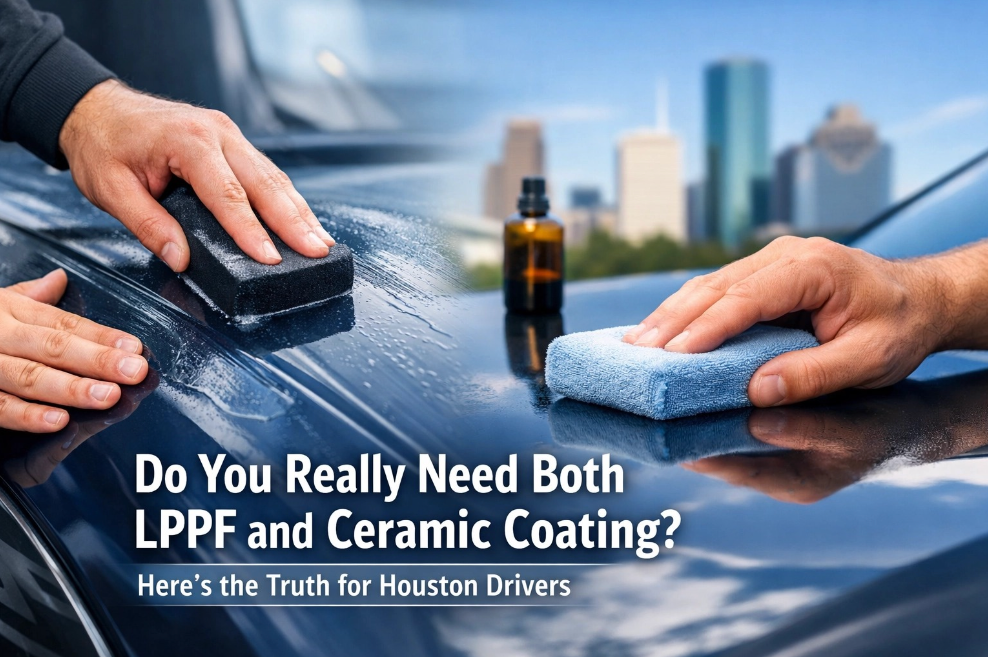
Driving in Houston is essentially a high-stakes game of "dodge the debris." Between the gravel trucks on I-10, the industrial fallout near the shipping corridors, and the brutal Texas sun that feels like it’s trying to melt your clear coat personally, your vehicle is under constant siege. If you are looking to preserve your car’s value and aesthetic, you’ve likely encountered two heavy hitters: Liquid Paint Protection Film (LPPF) and Ceramic Coating.
But do you actually need both? The short answer is: if you want the ultimate level of protection against both physical impacts and environmental degradation, yes. While they are often discussed as competitors, they are actually teammates. At Ceramic Enthusiasts, we’ve spent over a decade as an owner-operated shop perfecting the application of these two technologies to ensure Houston vehicles stay in showroom condition regardless of what the Sam Houston Tollway throws at them.
What is LPPF and why is manual re-leveling a game changer?
Liquid Paint Protection Film (LPPF) is your vehicle’s physical armor against rock chips, road salt, and flying debris. Unlike traditional "clear bra" wraps that can sometimes show visible seams or yellow over time, LPPF provides a seamless, high-build barrier that is hand-applied to ensure every curve and contour of your vehicle is shielded.
One of the most significant advantages of LPPF, especially the professional-grade products we use at Ceramic Enthusiasts, is its ability to be manually re-eveled. Houston roads are notorious for "peppered" front ends. When a rock strikes a standard paint job, it creates a permanent crater in the clearcoat. With LPPF, the film absorbs the kinetic energy of the impact. If a significant impact occurs, the film can often be manually massaged or re-leveled to smooth out the disturbance, effectively "heal-ing" the surface without a trip to the body shop. This hand-applied process requires a meticulous touch that only comes with years of experience.
How does Ceramic Coating handle the Houston heat and humidity?
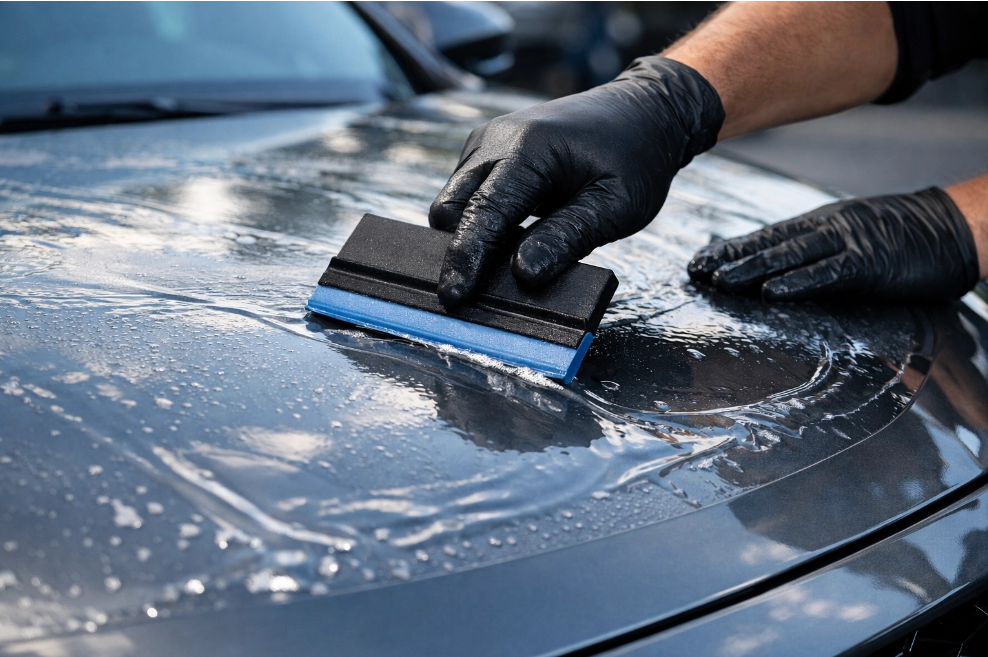
Ceramic coating acts as a semi-permanent chemical shield and a high-gloss enhancer that defends your paint against UV rays, acid rain, and bird droppings. While LPPF is the "bodyguard" that takes a bullet (or a rock) for your car, automotive ceramic coating is the "scientist" that prevents chemical re- actions from destroying your finish.
In areas like Pearland and Pasadena, the humidity and industrial fallout can create a "grime" that bonds to unprotected paint. Ceramic coatings utilize nanotechnology to create a hydrophobic surface with extremely low surface tension. This means water beads up and rolls off, taking dirt and contaminants with it. Furthermore, the 95-plus degree days in Houston can cause paint oxidation; a professional ceramic coating provides essential UV blockers that prevent your vibrant red or deep black paint from fading into a chalky mess.
Can Ceramic Coating prevent rock chips on Houston highways?
No, ceramic coating cannot prevent rock chips. This is one of the most common misconceptions we hear from clients in League City and Friendswood. Ceramic coatings are incredibly hard (often rated at 9H on the pencil hardness scale), but they are also incredibly thin: measured in microns, not mils.
Think of it this way: a ceramic coating is like a high-end wax on steroids. It’s hard and slick, but it doesn't have the mass or elasticity to absorb the impact of a stone traveling at 70 mph. If you are frequently commuting through construction zones or high-traffic areas like the 610 loop, relying on ceramic coating alone for impact protection will lead to disappointment. For physical defense, you need the 6-8 mil thickness provided by LPPF.
Do LPPF and Ceramic Coating work better when used together?
Absolutely, and this "hybrid" approach is the gold standard for vehicle preservation. By applying LPPF to the high-impact zones: the front bumper, hood, fenders, and side mirrors: and then layering a platinum package ceramic coating over the entire vehicle (including the LPPF), you create a multi-layered
defense system.
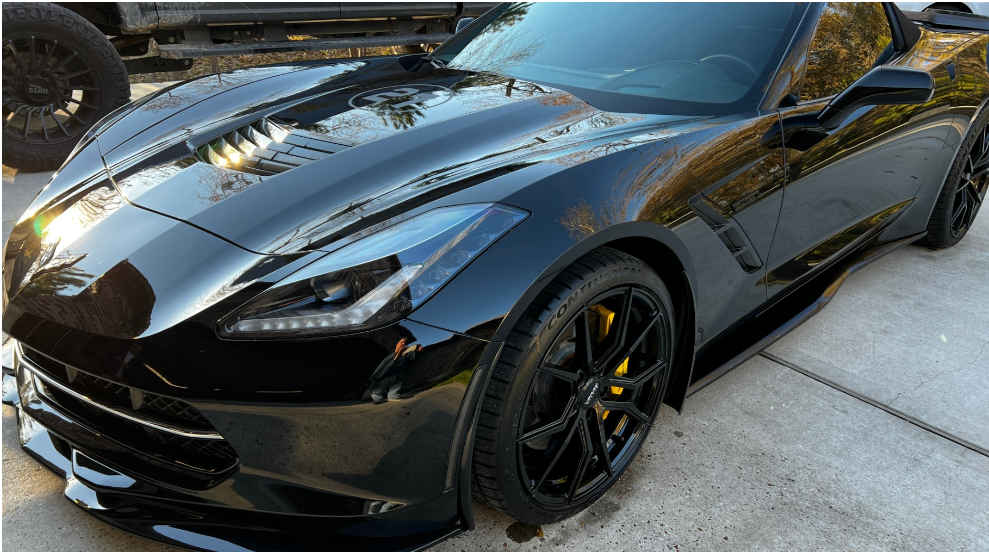
When we apply a ceramic coating over the LPPF, it adds a layer of slickness and hydrophobicity to the film itself. This makes the LPPF even easier to clean and provides it with additional UV protection, extending the life of the film. It’s the ultimate combination: the LPPF stops the rocks, and the ceramic coating keeps everything looking wet, glossy, and impossibly clean. Whether you are in South Houston or Pearland, this combination ensures your vehicle remains a "head-turner" for years, not months.
Why is an owner-operated approach essential for these services?
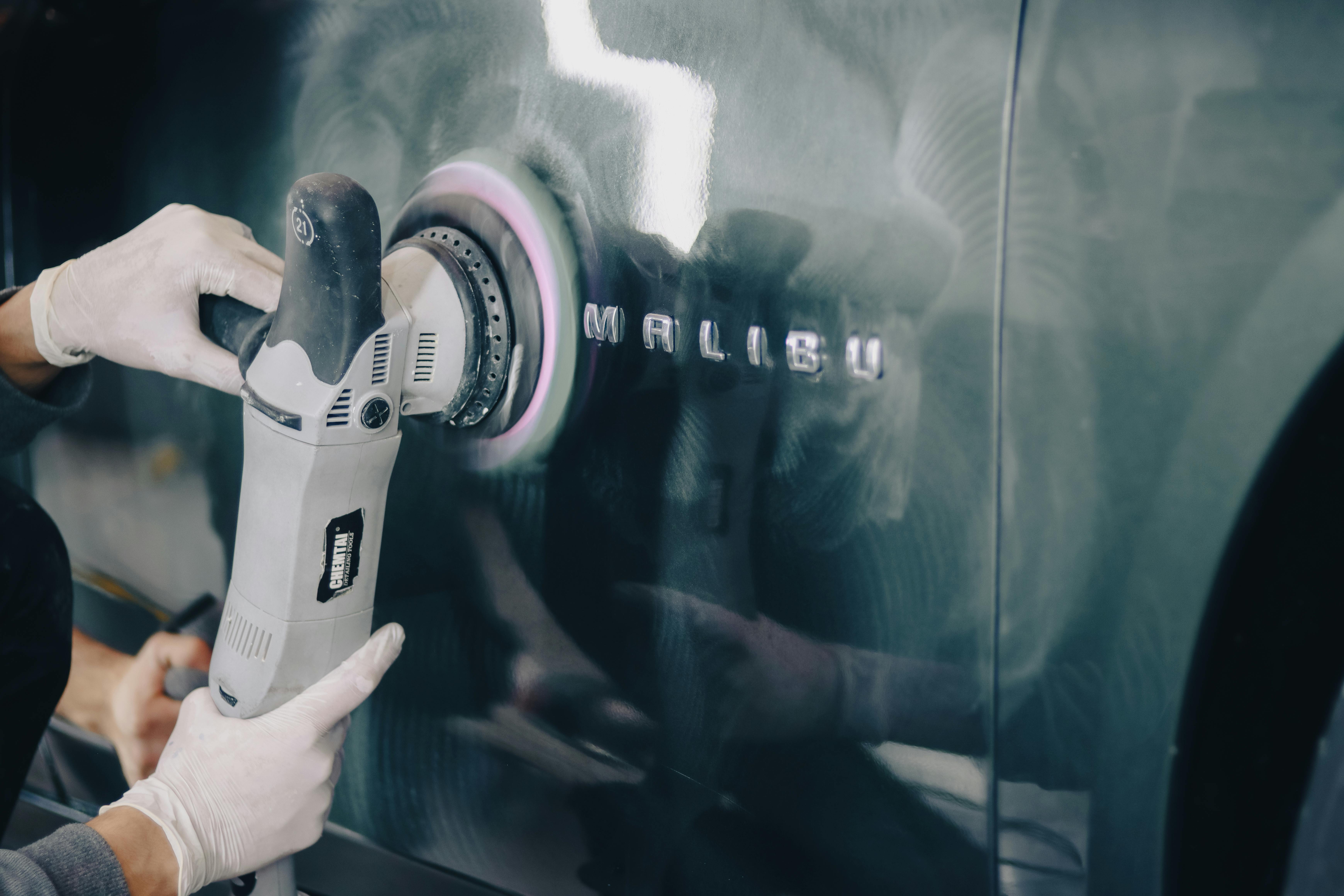
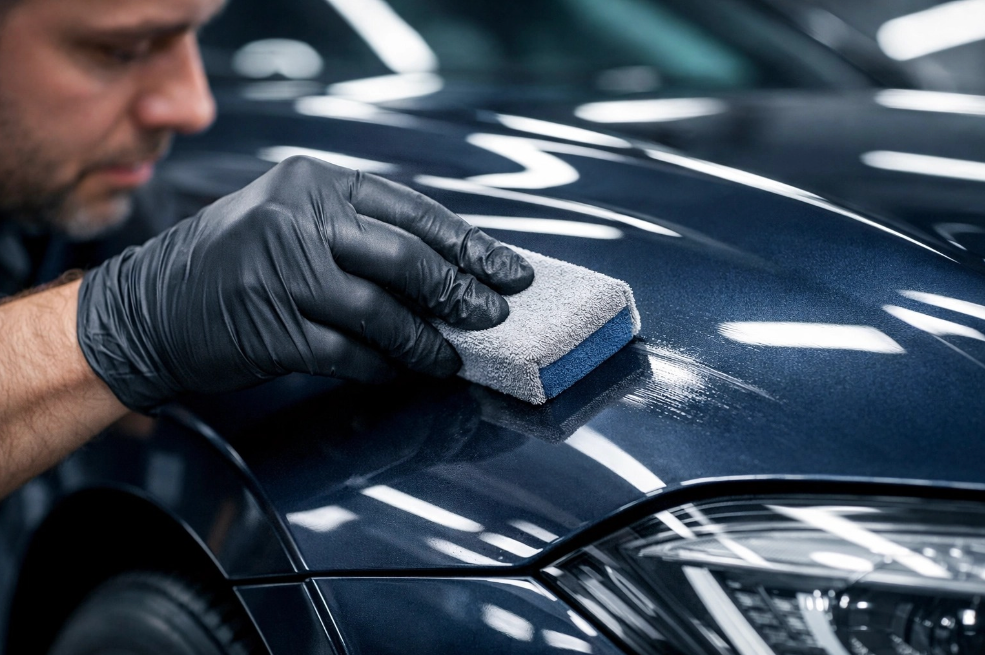
The quality of your protection is entirely dependent on the preparation and the precision of the application. At Ceramic Enthusiasts, being owner-operated means we don't rush through cars to meet a corporate quota. We follow a "one-car-at-a-time" philosophy that ensures every inch of your paint is decontaminated and corrected before any protection is applied.
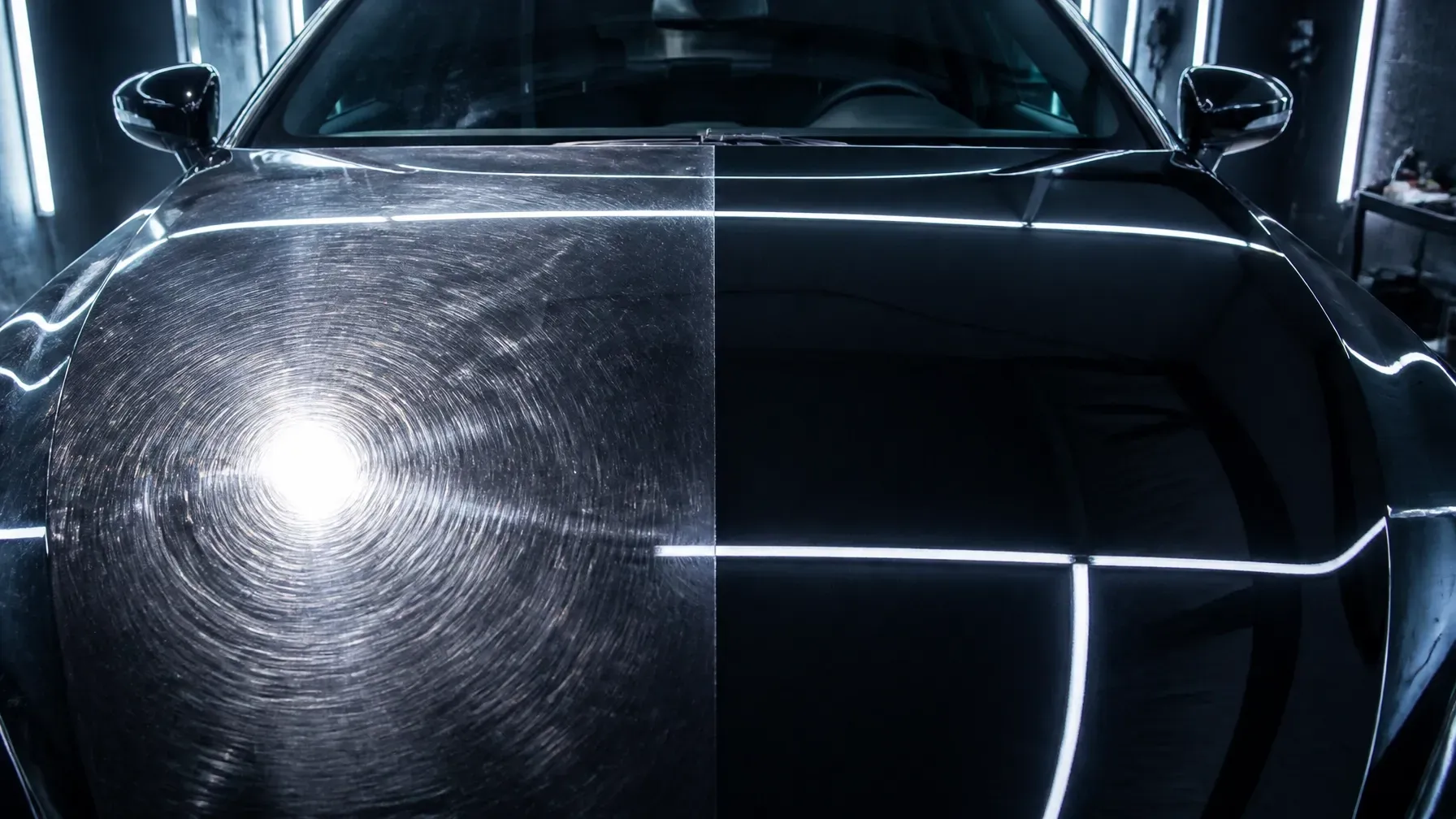
With over 10 years of experience, we’ve seen what happens when shops skip the paint correction phase. If you apply a 5-year coating or a hand-laid LPPF over swirl marks and scratches, you are essentially "locking in" those defects. We take the time to perform meticulous paint correction, removing imperfections so that the final result is a mirror-like finish. When you call us at 281-626-9384, you’re talking to the people who are actually doing the work, not a salesperson who has never picked up a polisher.
Which service should you choose if you are on a budget?
If you have to choose one due to budget constraints, your choice should depend on your primary concern. If you are terrified of rock chips because you spend three hours a day on the freeway, prioritize LPPF for your front end. If you want a car that is incredibly easy to wash, stays shiny, and is protected from the Texas sun and bird droppings, start with a ceramic coating package.
However, many of our clients in the Houston area find that a partial LPPF "front-end kit" paired with a full ceramic coating offers the best value. This protects the most vulnerable areas from physical damage while giving the entire car the chemical and aesthetic benefits of the coating. We are always happy to walk you through the options to find a plan that fits your needs and your vehicle's specific exposure levels.
How do you maintain LPPF and Ceramic Coating in the Texas climate?
Maintenance is surprisingly simple once your vehicle is properly protected, but it does require a change in habits. You should avoid automatic "tunnel" car washes with spinning brushes, as these can mar the ceramic coating and potentially lift the edges of the film. Instead, a simple two-bucket hand wash or a touchless wash is all you need.
The hydrophobic properties of the coating mean that brake dust and road salt won't bond to your wheels or paint like they used to. For our clients in Houston and surrounding areas, we often recommend our exterior detailing services for a professional "refresh" every few months to ensure the coating’s properties are performing at 100%. With proper care, your LPPF can last up to a decade, and your ceramic coating will continue to bead water and shine for years.
Ready to give your vehicle the protection it deserves?
Your car is likely one of your largest investments, and the roads in Houston are not doing it any favors. Don't wait until your front bumper is riddled with chips or your hood is dull from UV damage. Whether you’re looking for the physical armor of LPPF, the chemical brilliance of ceramic coating, orthe ultimate hybrid protection plan, Ceramic Enthusiasts has the decade-plus experience to get the job done right.
We serve the entire Houston metro area, providing meticulous, owner-operated service that big-box shops simply can’t match. From mobile detailing to full scale paint restoration and protection, we treat every vehicle like it’s our own.
Connect with Ceramic Enthusiasts today at 281-626-9384 to discuss your vehicle’s needs or to schedule a consultation at our shop. Let’s make sure your car stays protected, glossy, and ready for the Houston heat.
You might also like
Ceramic Enthusiasts