
Traditional PPF vs. Liquid PPF: Which Protection is Best for Houston Drivers?
This is a subtitle for your new post
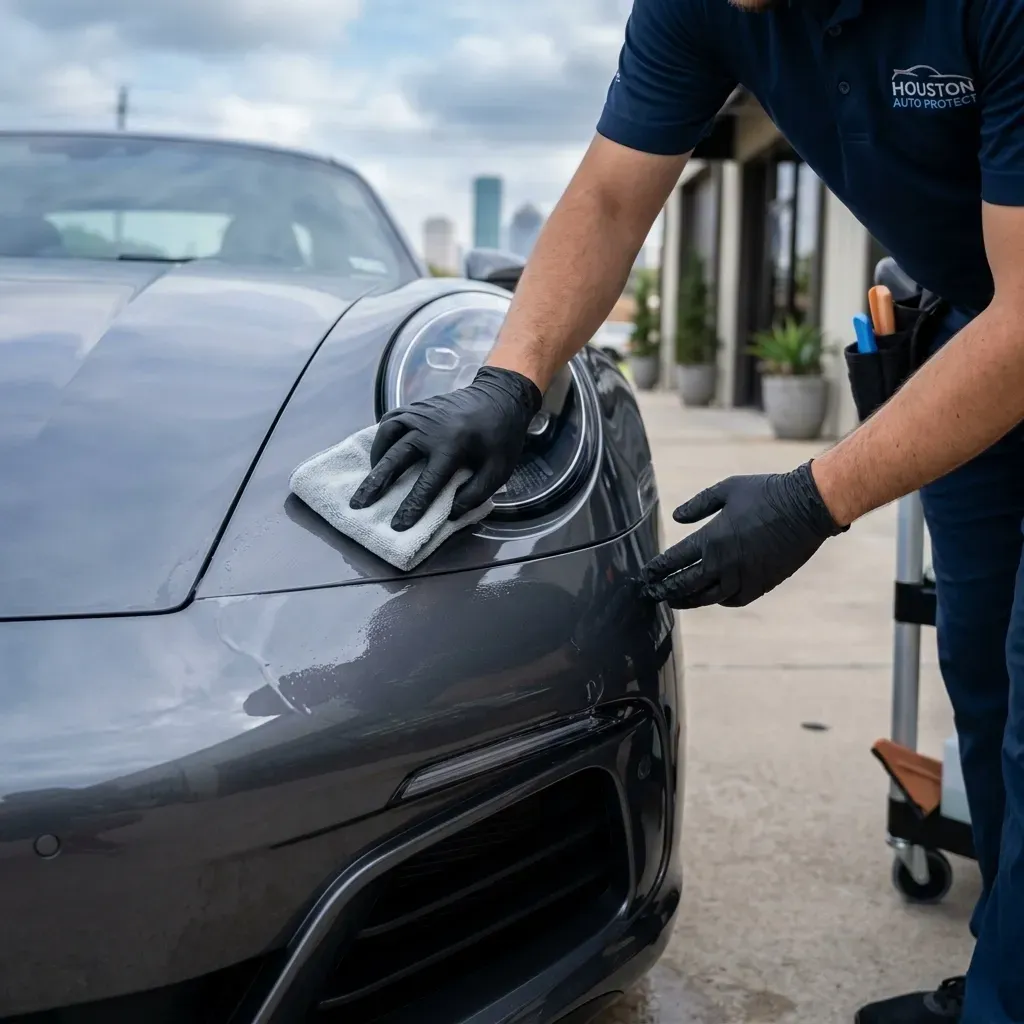
Houston driving is often described as a contact sport. Whether you are navigating the daily congestion of the 610 Loop, dodging gravel trucks on I-10, or braving the debris-heavy shipping corridors near Pasadena and La Porte, your vehicle’s paint is under constant assault. Choosing the right Paint Protection Film (PPF) isn't just about aesthetics; it is about preserving the structural integrity and resale value of your investment against the harshest elements Texas can throw at it.
For years, traditional pre-cut film was the only viable option. Today, Liquid Paint Protection Film (LPPF) has emerged as a sophisticated alternative that addresses many of the limitations of traditional film. Understanding the technical differences between these two systems is essential for any car owner in Pearland, Sugar Land, or League City who wants the absolute best for their vehicle.
What is the difference between Traditional PPF and Liquid PPF?
Traditional Paint Protection Film is a thermoplastic urethane film that is usually pre-cut using a computer plotter or hand-trimmed from large rolls. This film is applied to the vehicle’s surface using a slip solution and a squeegee. While it provides a thick physical barrier against rock chips, it often leaves visible edges, and if a section is damaged, the entire piece usually needs to be stripped and replaced.
Liquid Paint Protection Film (LPPF), on the other hand, is a hand-applied, high-solids coating that cures into a seamless, durable, and crystal-clear protective layer. Unlike "spray-on" alternatives that can be messy and imprecise, LPPF is meticulously worked into the surface by hand. This process allows the protection to flow into every curve and crevice of the vehicle, providing a truly invisible finish without the seams or "orange peel" texture sometimes associated with traditional films.
Both systems serve the same primary purpose: stopping rocks from chipping your paint: but the application and maintenance of these two products differ significantly. While traditional film relies on a pre-fabricated sheet, LPPF creates a bespoke, bonded layer that mimics the factory clear coat while offering vastly superior impact resistance.
Why does Houston’s climate demand superior paint protection?
The Houston metro area presents a unique set of challenges that can degrade inferior paint protection products in a matter of months. Our heat is relentless. During July and August, surface temperatures on a black car in Missouri City or Baytown can easily exceed 150 degrees Fahrenheit. This intense thermal stress can cause traditional adhesives to dry out, leading to peeling or yellowing over time.
Beyond the heat, our humidity and proximity to the Gulf of Mexico mean the air is often laden with moisture and salt, especially for drivers in Texas City or Dickinson. When road salt and industrial fallout from local refineries sit on unprotected paint, they begin a process of chemical etching.
Liquid PPF is engineered to withstand these specific environmental stressors. Because it bonds so tightly to the paint surface at a molecular level, there is no "edge" for heat to lift or for moisture to seep under. This chemical stability ensures that the protection remains clear and effective through dozens of Texas weather cycles, from torrential thunderstorms to bone-dry heatwaves.
Can Liquid PPF really be re-leveled after a rock chip?
One of the most significant advantages of Liquid PPF for Houston commuters is its repairability. On a traditional film install, if a large rock hits your hood and tears the film, that tear is permanent. To fix it, a professional must remove the entire piece of film from the hood, clean the surface, and install a brand-new sheet. This is a time-consuming and expensive process that often keeps your car in the shop for days.
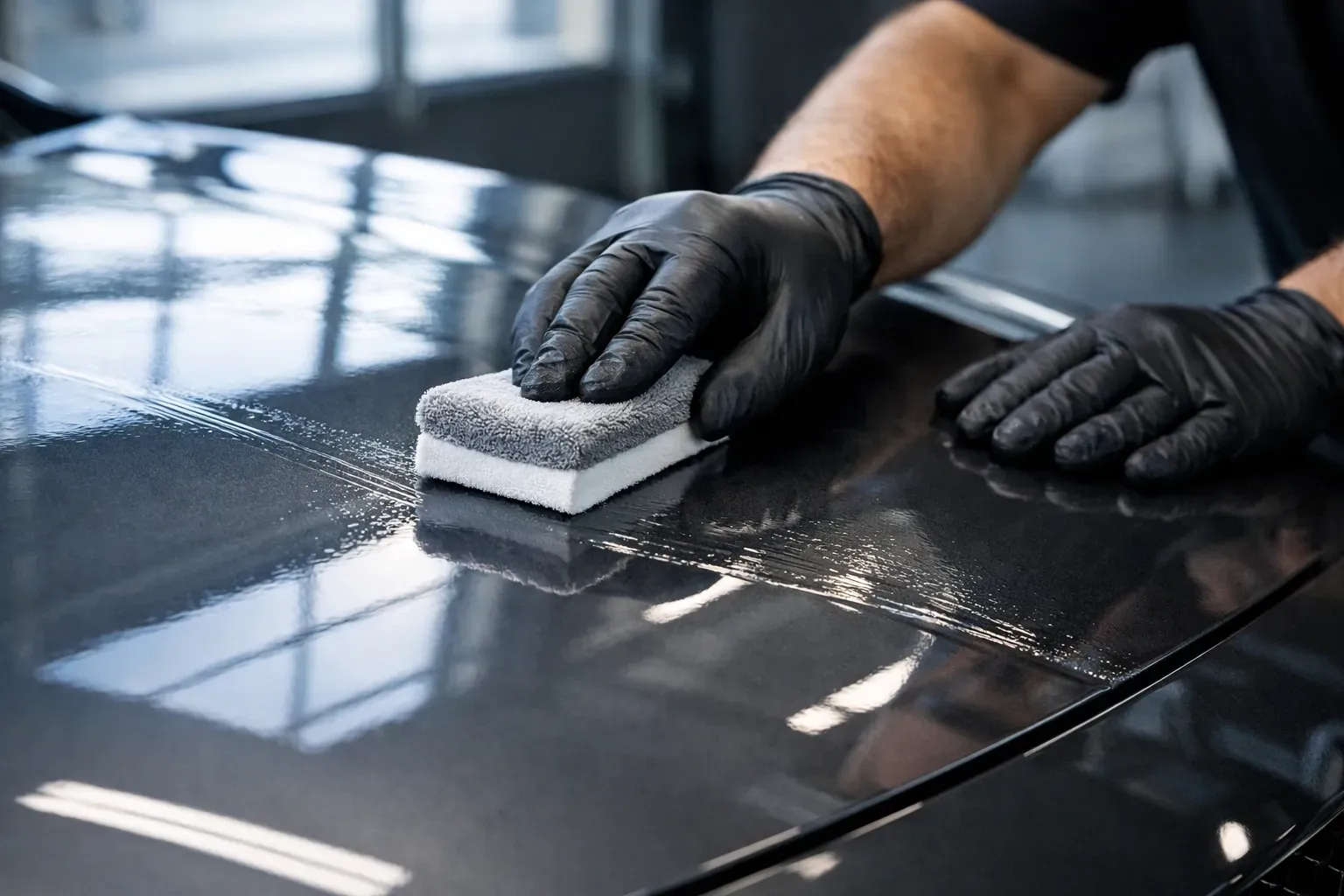
Liquid PPF changes the math on repairs. Because it is a hand-applied liquid that cures into a solid, it can be "re-leveled." If a high-velocity impact causes a localized blemish in the LPPF layer, a skilled technician can often add a small amount of the liquid product to the affected area and blend it back into the existing protection.
This re-leveling capability means you aren't paying for a full panel replacement every time a construction truck on the Beltway drops a pebble. It maintains the integrity of the protection without the waste and cost of traditional film scraps. This makes LPPF an incredibly practical choice for vehicles that see heavy daily use in high-traffic areas like Bellaire or Stafford.
Is the hand-applied process better than pre-cut film?
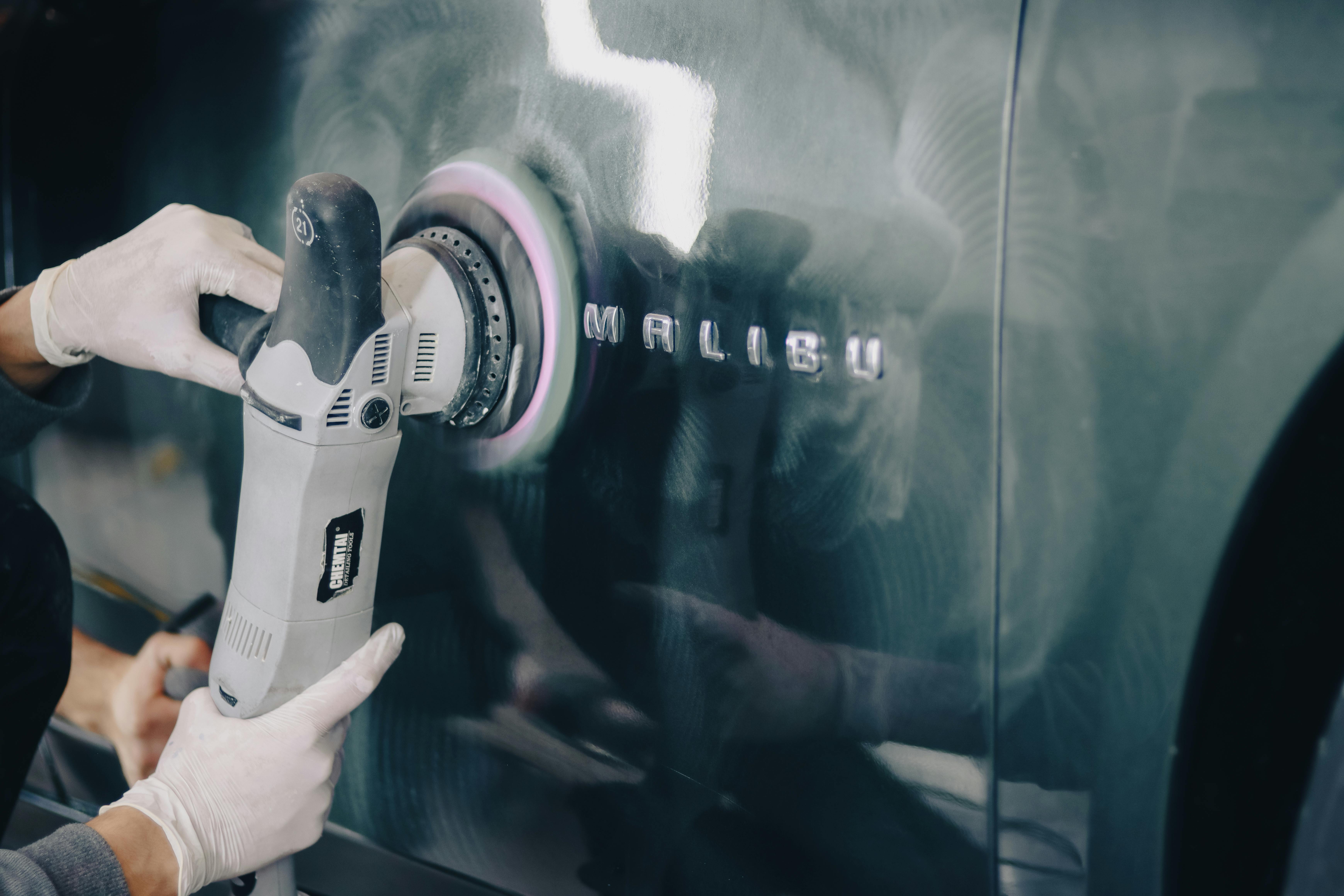
At Ceramic Enthusiasts, we believe the quality of the protection is only as good as the application. Traditional PPF often uses pre-cut kits designed to fit specific car models. While convenient for high-volume shops, these kits frequently leave "relief cuts" around sensors, badges, and corners where the paint remains exposed. Over time, these gaps collect dirt and wax, making the film's edges visible.
The LPPF process we use is entirely hand-applied. This is a meticulous, craft-oriented approach. We don't rely on machines to tell us where the protection goes; we use professional tools and steady hands to ensure every millimeter of the panel is covered. This allows us to wrap the protection deep into the edges of the panels, behind headlights, and around intricate trim pieces found on modern luxury vehicles and sports cars.
This "one-car-at-a-time" philosophy ensures that your vehicle receives the undivided attention it deserves. When you bring your car to our Pasadena facility, we aren't rushing to clear a queue of twenty cars. We are focusing on the clarity, thickness, and bond of the LPPF on your specific vehicle. You can see the results of this precision in our gallery.
How do Liquid PPF and Ceramic Coating work together?
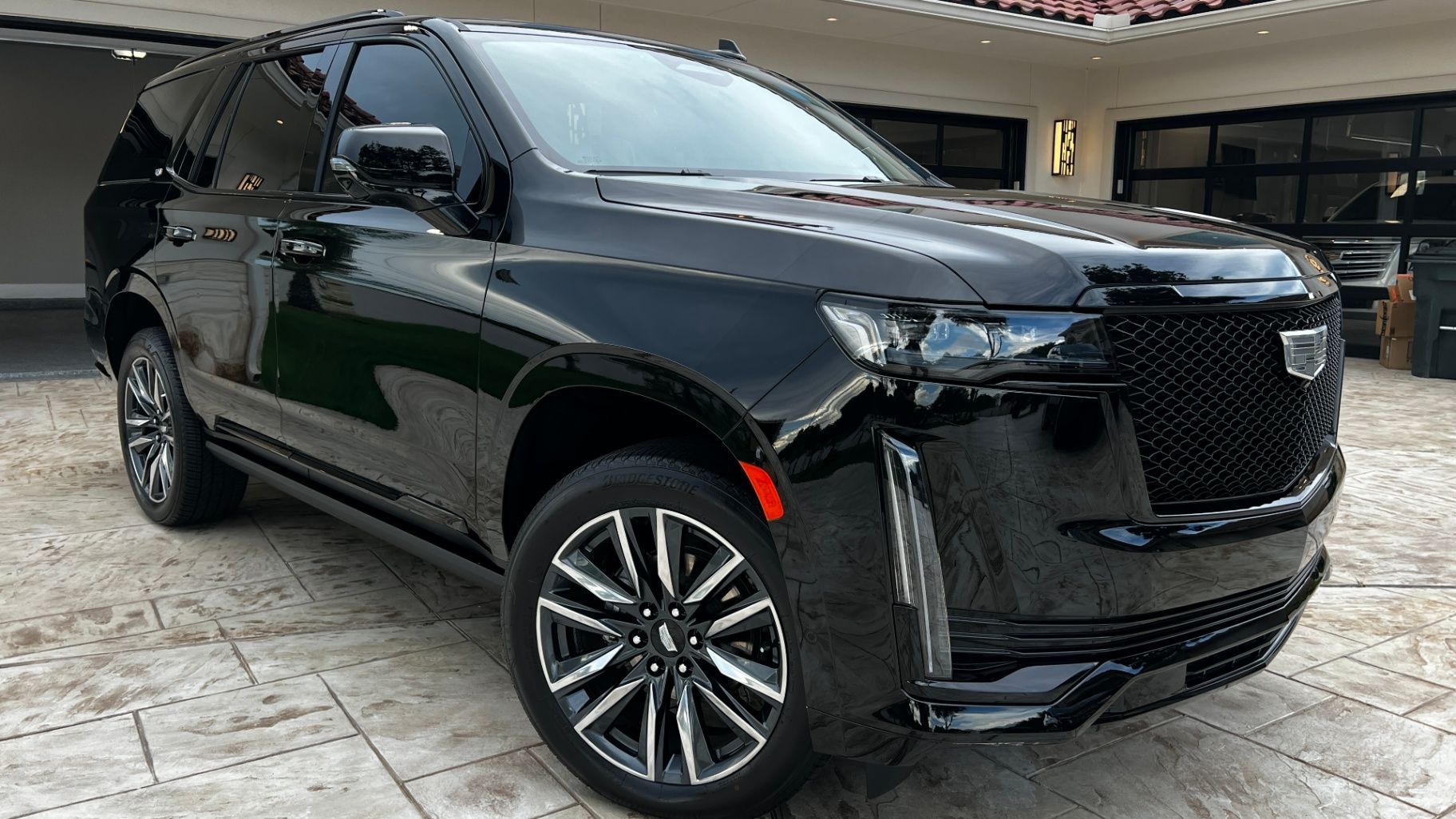
It is a common misconception that you have to choose between LPPF and Ceramic Coating. In reality, these two technologies are complementary. Think of Liquid PPF as the "body armor" that stops physical impacts, and Ceramic Coating as the "wax on steroids" that provides extreme hydrophobicity and chemical resistance.
For the ultimate Houston protection package, many of our clients in Friendswood and Deer Park choose to apply LPPF to the high-impact areas: like the front bumper, hood, and fenders: and then coat the entire vehicle (including over the LPPF) with a premium ceramic coating.
The LPPF absorbs the energy of rock strikes, while the ceramic coating makes the car incredibly easy to wash, as mud, bird droppings, and Houston’s infamous lovebugs slide right off the surface. This combination delivers a mirror-like finish that stays cleaner for longer and is much safer to maintain.
Why should Houston drivers choose Ceramic Enthusiasts?
Choosing a shop for paint protection is a matter of trust. At Ceramic Enthusiasts, we are owner-operated and have spent over a decade perfecting our craft. We understand that your vehicle is likely one of your most significant investments, whether it’s a daily commuter in Rosenberg or a weekend showpiece in Alvin.
Our approach is different from the big-box detailing centers. We offer:
- Meticulous Decontamination: Every car undergoes a multi-stage wash, clay bar treatment, and chemical decontamination before any protection is applied.
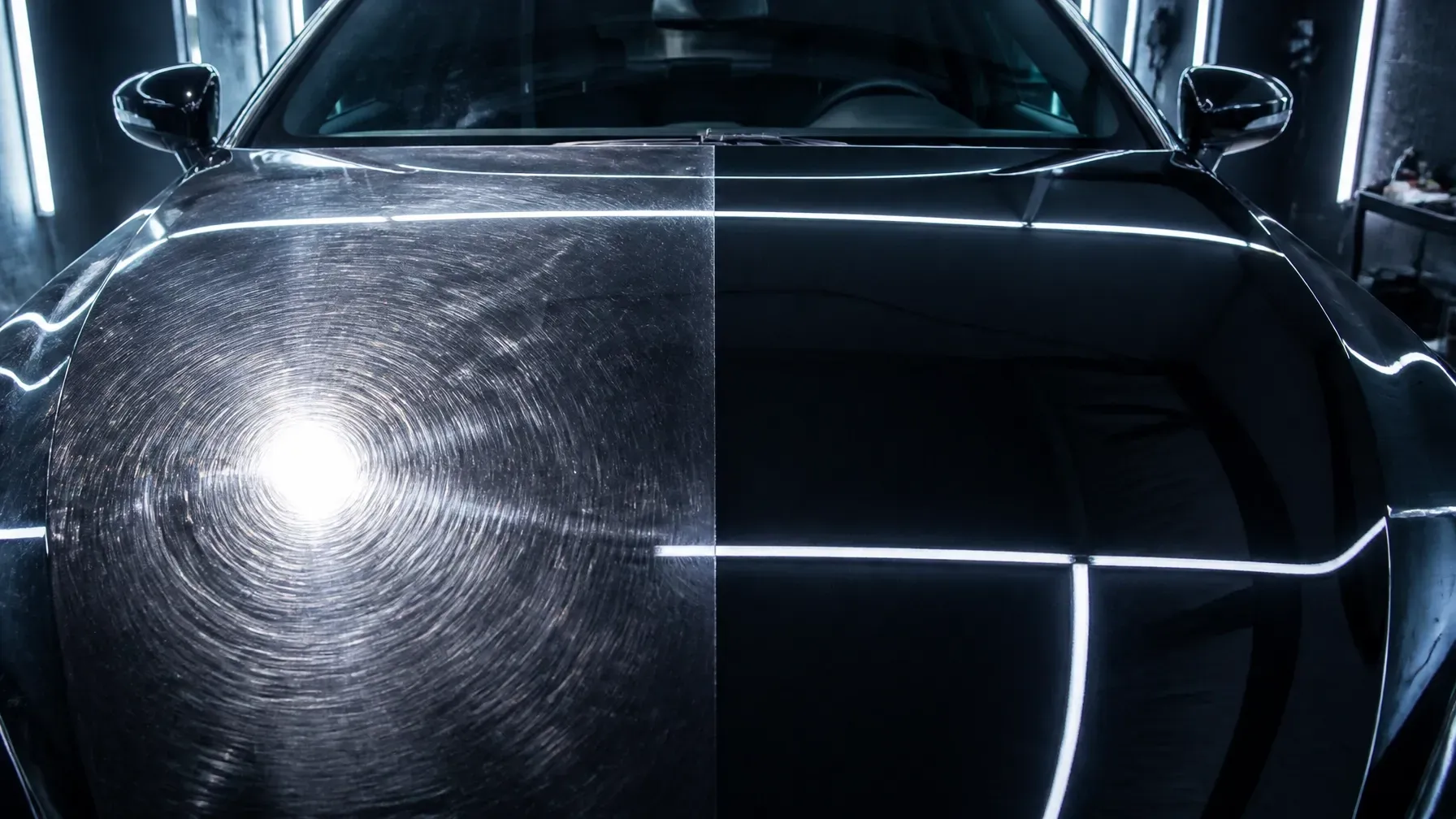
- Precision Paint Correction: We ensure the paint is flawless and swirl-free before sealing it under LPPF.
- The One-Car Rule: Your car is the only car we are focused on during its scheduled time.
- Localized Expertise: We know exactly how the Texas sun and Houston humidity affect automotive finishes.
We don't believe in "good enough." Every vehicle that leaves our shop is a reflection of our reputation. If you are looking for the highest level of care and the most advanced protection technology available, we are ready to help.
Which protection is the best investment for your car?
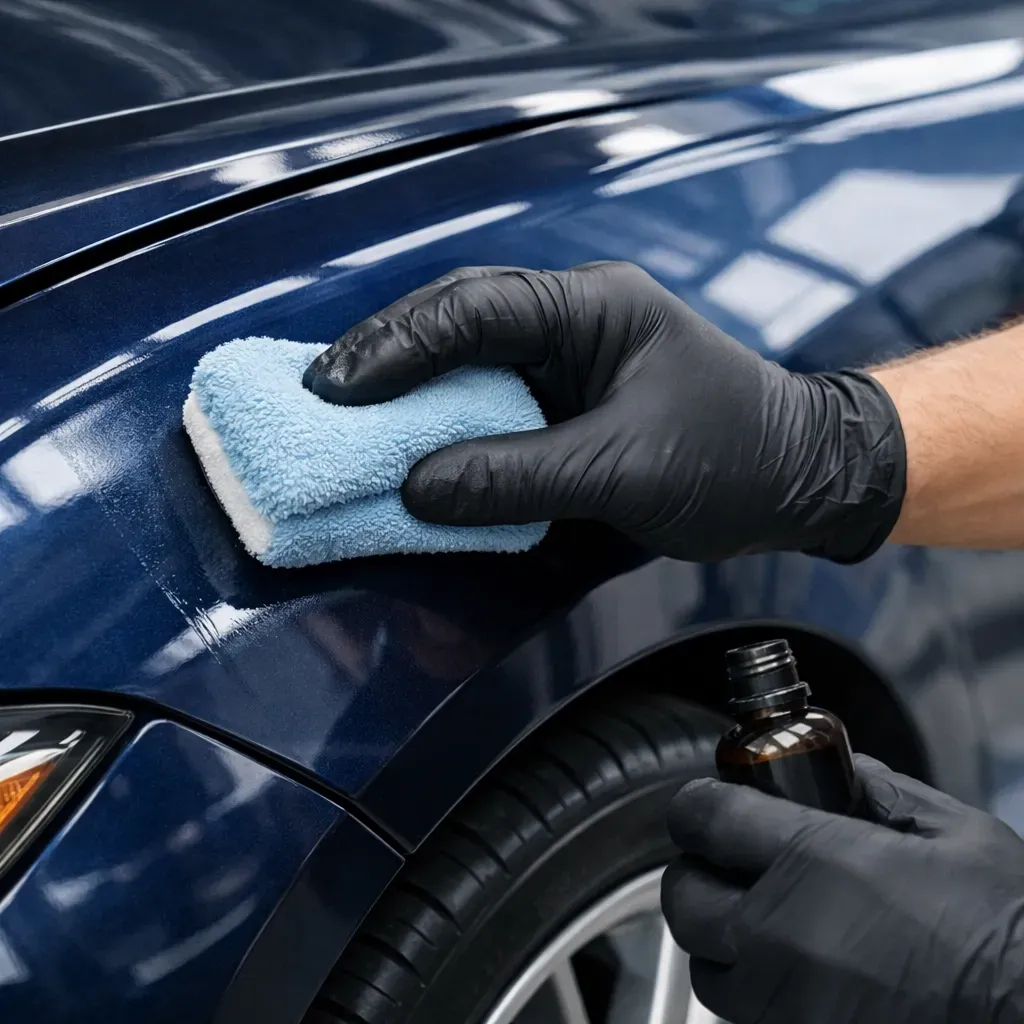
Deciding between traditional PPF and Liquid PPF often comes down to how you use your vehicle and your expectations for the finish. If you want a seamless, repairable, and virtually invisible barrier that can handle the rigors of Houston's highway system, Liquid PPF is the clear winner. Its ability to be re-leveled and its hand-applied precision make it a superior choice for those who demand perfection.
However, the best way to determine the right fit for your specific car and budget is to speak with an expert. We invite you to contact us at 281-626-9384 to discuss your vehicle’s needs. Whether you are in Webster or any of the surrounding Houston communities, Ceramic Enthusiasts is your partner in automotive preservation.
To see more of our work or to learn about our full range of services, visit our website at www.ceramicenthusiasts.com. Protect your investment today and enjoy the peace of mind that comes with a flawless, protected finish.
You might also like
Ceramic Enthusiasts