
The Ultimate Guide to Liquid Paint Protection Film: Why LPPF is Changing the Game in Houston
This is a subtitle for your new post
The body content of your post goes here. To edit this text, click on it and delete this default text and start typing your own or paste your own from a different source.
Driving in Houston is a full-contact sport for your vehicle's exterior. Between the gravel flying off construction trucks on I-45 and the blistering Texas sun that cooks clear coats daily, your car is under constant atmospheric assault. While many owners are familiar with standard wax or even modern ceramic coatings, a new technology called Liquid Paint Protection Film (LPPF) is rapidly becoming the gold standard for enthusiasts who want the ultimate defense without the drawbacks of traditional plastic wraps.
At Ceramic Enthusiasts, we’ve spent over a decade perfecting the art of surface protection. We’ve seen every trend come and go, but LPPF is different. It bridges the gap between the high-gloss, hydrophobic nature of a ceramic coating houston and the physical impact resistance of traditional Paint Protection Film (PPF). If you are looking for a way to keep your vehicle looking showroom-new in the Gulf Coast climate, this is the technology you need to understand.
What is Liquid Paint Protection Film (LPPF) and how does it work?
Liquid Paint Protection Film is a high-solids, hand-applied protective layer that cures into a thick, durable barrier over your vehicle’s factory paint. Unlike traditional PPF, which involves stretching a pre-cut plastic "sticker" over your panels, LPPF is applied as a liquid. This allows it to bond at a molecular level to the surface, filling in microscopic pores and creating a seamless shield that is significantly thicker than any standard ceramic coating.
The "liquid" aspect is the key to its success. Traditional films often have visible edges where dirt can collect, or they may begin to lift at the corners over time. Because LPPF is hand-applied and worked into every curve and contour of the vehicle, there are no seams, no relief cuts, and no edges to fail. Once cured, it provides a semi-permanent layer of protection that measures roughly 8 to 10 microns thick: providing a physical cushion against the road debris common in auto detailing houston environments.
How does LPPF shield your car from Houston’s extreme weather?
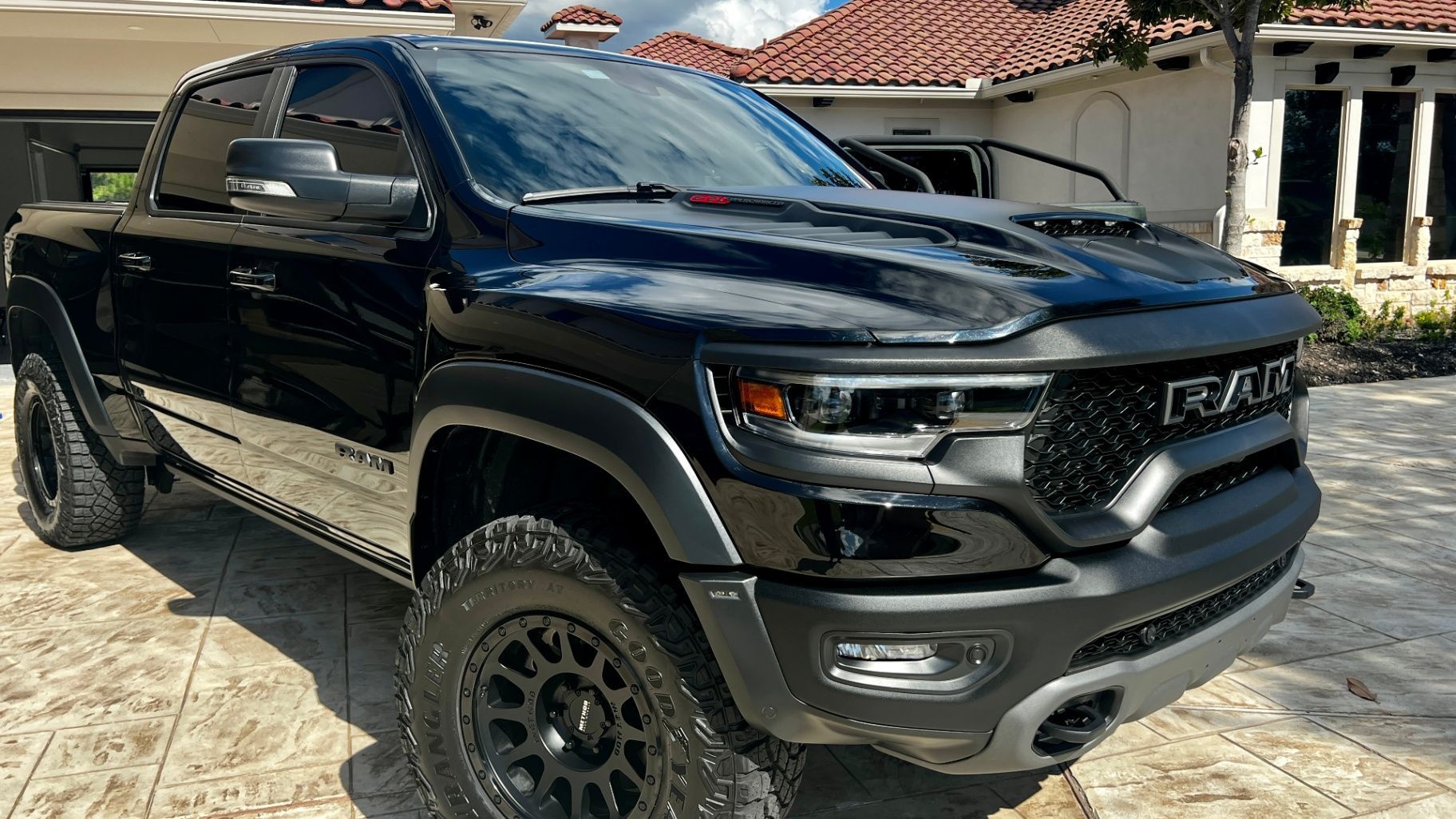
Houston’s climate is unique, and it’s notoriously hard on automotive finishes. We deal with high UV indexes, punishing humidity, and industrial fallout from the local refineries. LPPF is specifically engineered to handle these stressors simultaneously. The high silicon carbide content acts as a sunblock for your car, preventing the oxidation and fading that typically turns a vibrant red or deep black into a dull, chalky mess.
Furthermore, the heat in Pearland and Pasadena can reach triple digits for weeks on end. This heat causes traditional adhesives on plastic films to dry out or yellow. LPPF, however, thrives in the heat. It is thermally stable, meaning it won't peel or bubble when the Texas sun beats down on your hood during a standstill on the Loop. It also provides a dense barrier against chemical etching. When a bird dropping or tree sap sits on your paint in 100-degree weather, it usually "cooks" into the clear coat within hours. LPPF absorbs that chemical attack, keeping your factory paint untouched underneath.
Why is the "re-leveling" feature of LPPF a game-changer for rock chips?
The single most impressive feature of Liquid Paint Protection Film is its ability to be re-leveled. With traditional PPF, if a large rock hit your bumper and tore the plastic, your only option was to peel off the entire expensive sheet and replace it. LPPF changes that math entirely. If a rock impact causes a blemish or a deep scratch in the film, the material can often be thermally re-leveled.
Because it is a hand-applied, high-solids product, we can use controlled heat to "flow" the material back into the void caused by the impact. This restores a smooth, uniform finish without the need for a full replacement of the protection. This self-healing and re-leveling capability means your investment lasts longer and stays looking better, even if you do a lot of highway commuting between Friendswood and League City.
Is LPPF better than traditional ceramic coating for your vehicle?
It isn't a matter of which is "better," but rather which tool is right for the job. We often recommend ceramic coating houston for drivers who want incredible gloss and ease of maintenance. Ceramic coatings are fantastic at repelling water (hydrophobicity) and keeping the car cleaner for longer. However, a ceramic coating is very thin; it will not stop a rock chip from damaging your paint.
LPPF is for the owner who wants physical protection. It offers the same high-gloss finish and some of the hydrophobic properties of a coating, but with the added "skin" thickness to absorb impacts. For many of our clients in South Houston, the ideal setup is a hybrid approach: LPPF on the high-impact areas (front bumper, hood, fenders, and mirrors) and a premium ceramic coating on the rest of the vehicle. This gives you the best of both worlds: impact resistance where you need it and extreme gloss everywhere else.
Why is the hand-applied process at Ceramic Enthusiasts different?
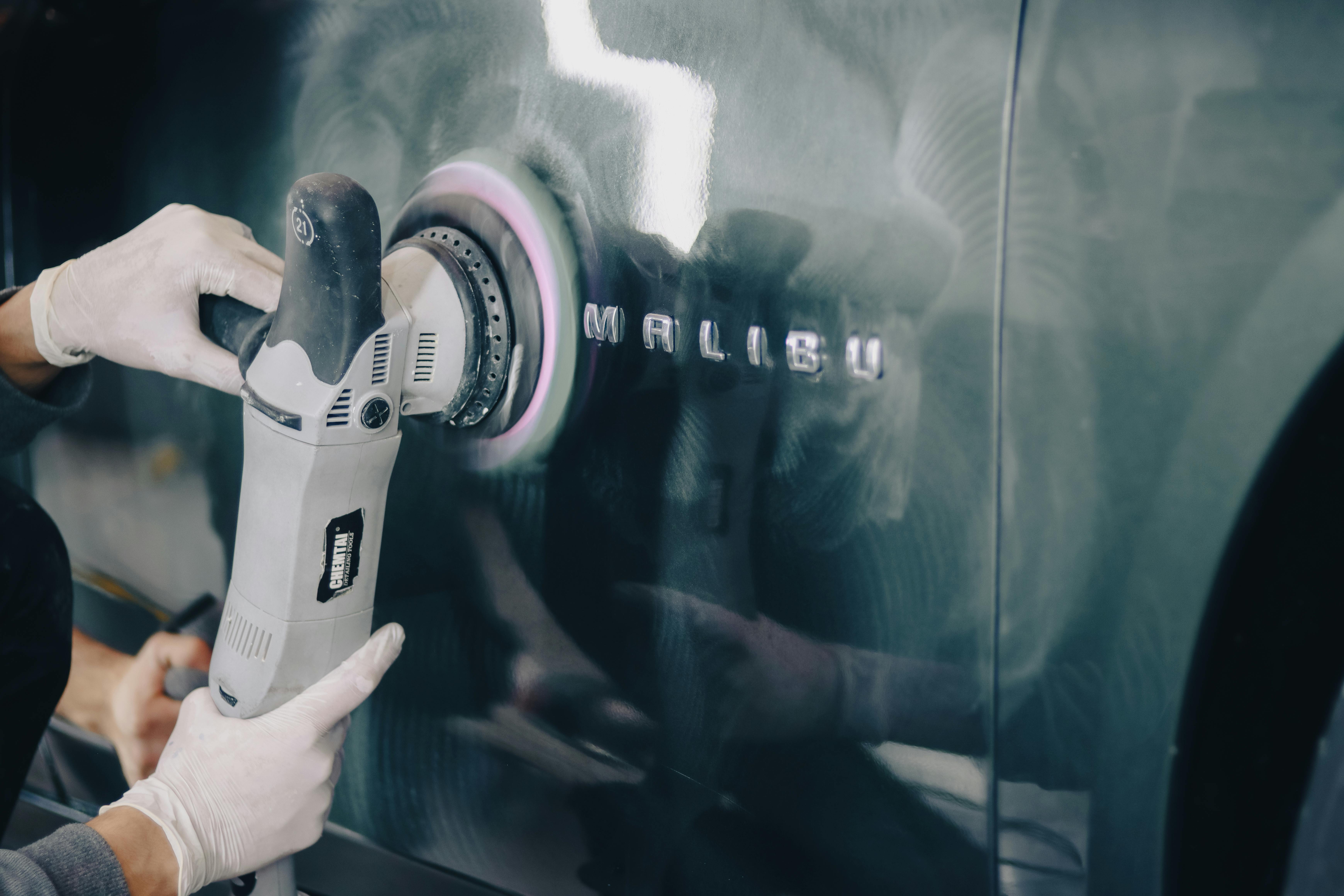
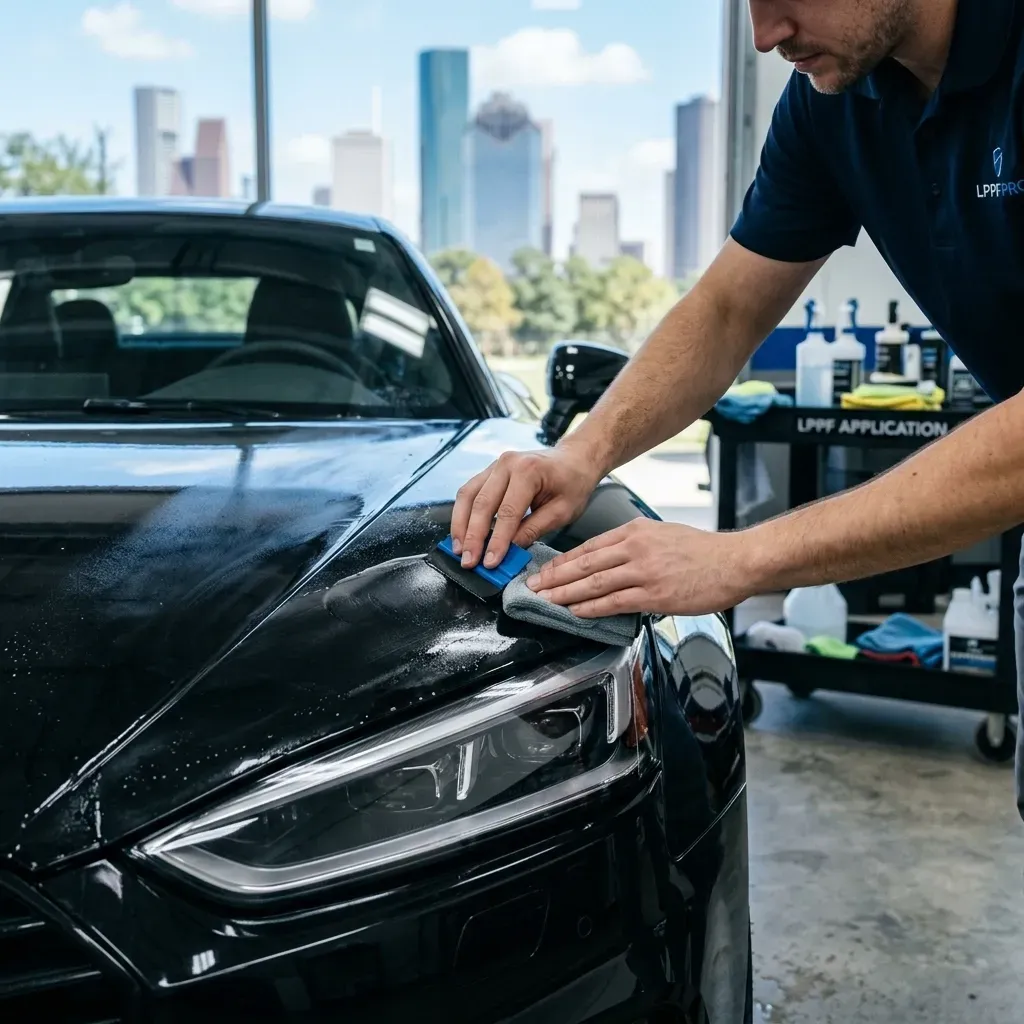
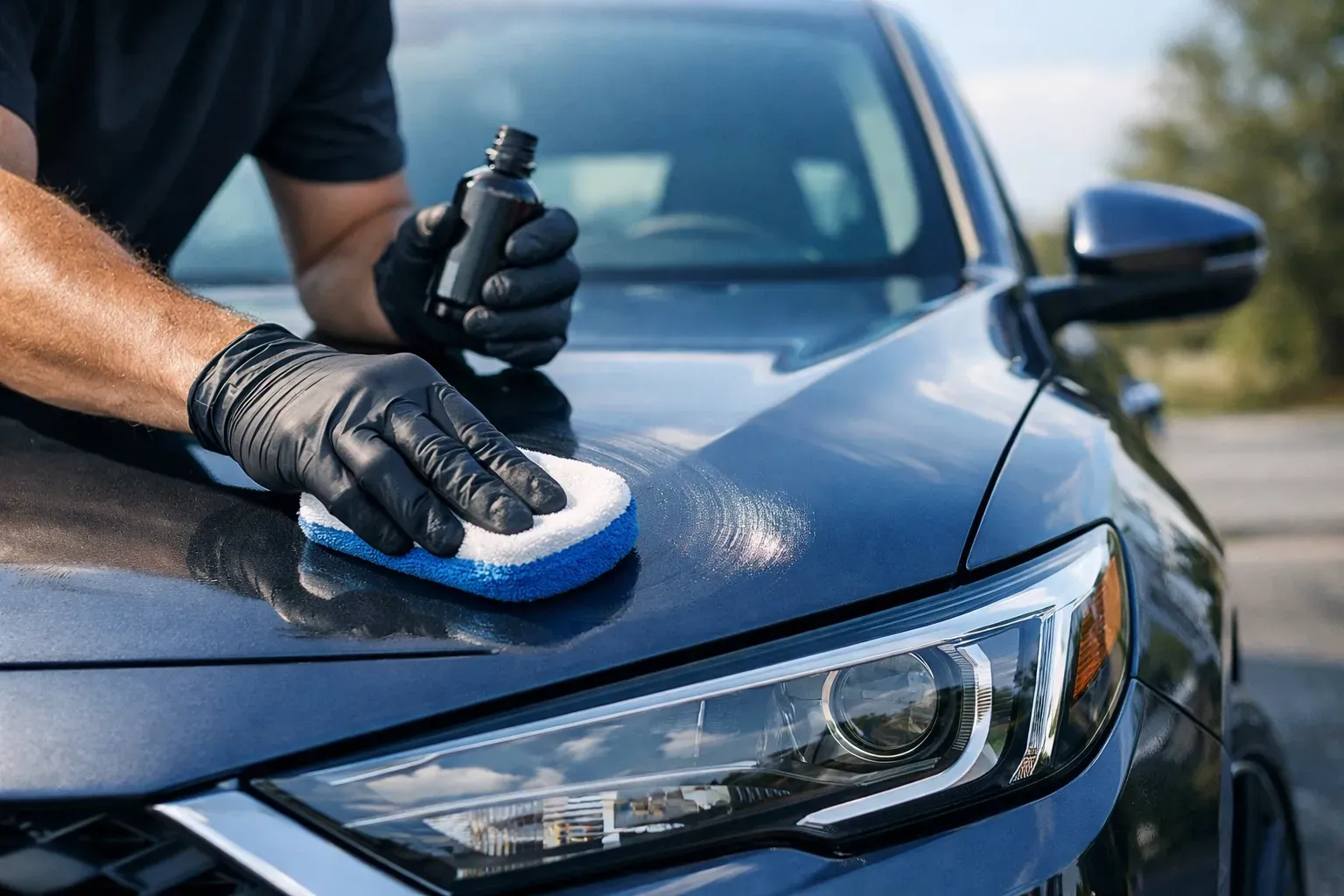
At Ceramic Enthusiasts, we don't believe in assembly-line detailing. Our "one-car-at-a-time" approach is essential when dealing with a sophisticated product like Liquid Paint Protection Film. LPPF requires a meticulous hand-application process. We don't just "spray and pray"; we manually work the liquid into the surface using specialized hand tools and squeegees to ensure perfect leveling and a mirror-like finish.
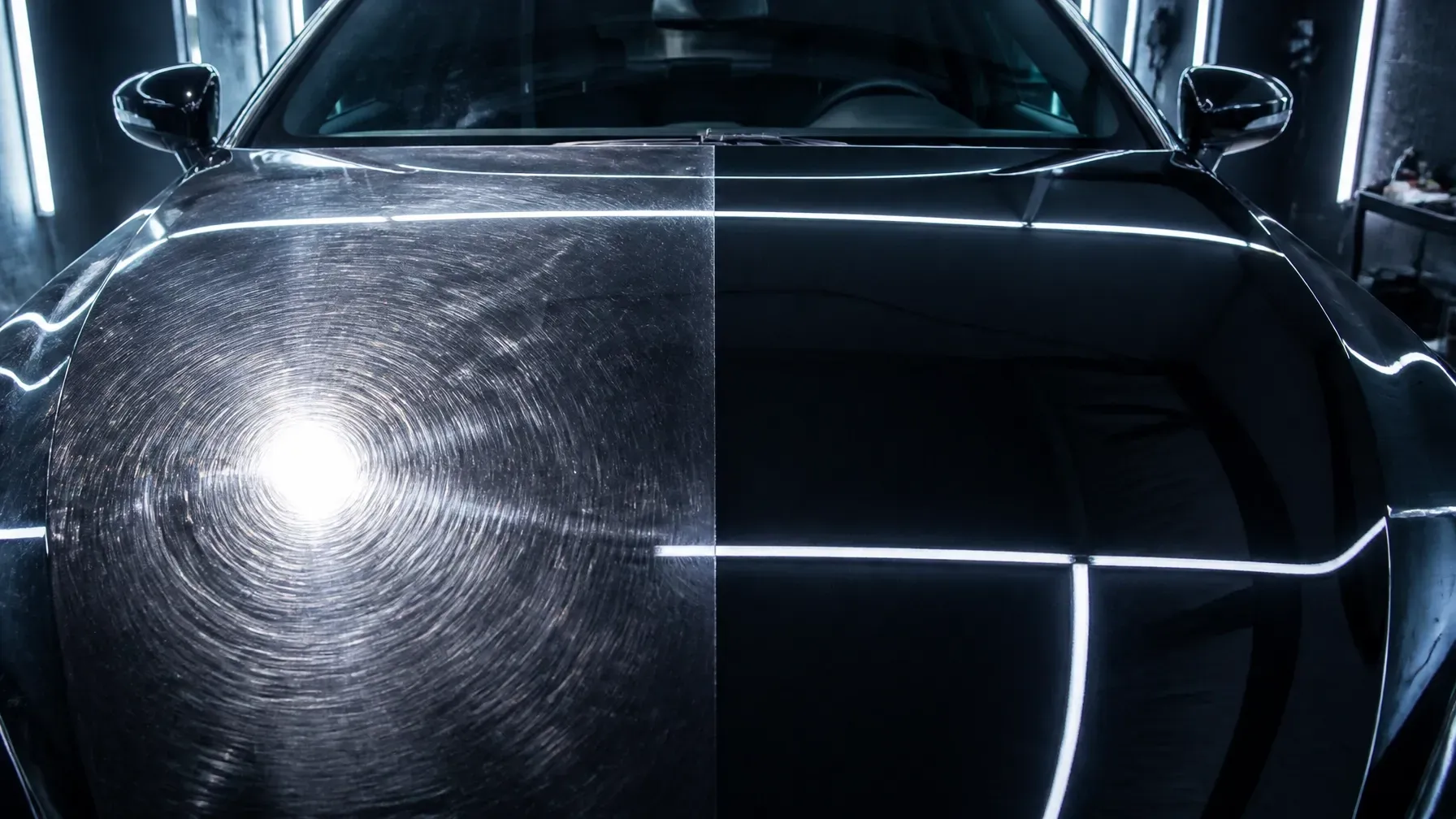
This manual process allows us to inspect every square inch of your paint during application. If we find a tiny speck of dust or a minor imperfection, we address it immediately. With over 10 years of experience in the Houston area, we know that the secret to a long-lasting paint protection job isn't just the product: it's the preparation. Every LPPF installation starts with a thorough decontamination and a multi-stage paint correction to ensure the surface is flawless before the shield is applied.
Can you get LPPF through mobile detailing in Houston?
While we offer high-end mobile detailing houston for maintenance and standard ceramic coatings, LPPF is a service that often requires a controlled environment for the initial curing phase. To get the seamless, factory-perfect finish we are known for, the application needs to happen away from the wind, dust, and unpredictable humidity of an outdoor driveway.
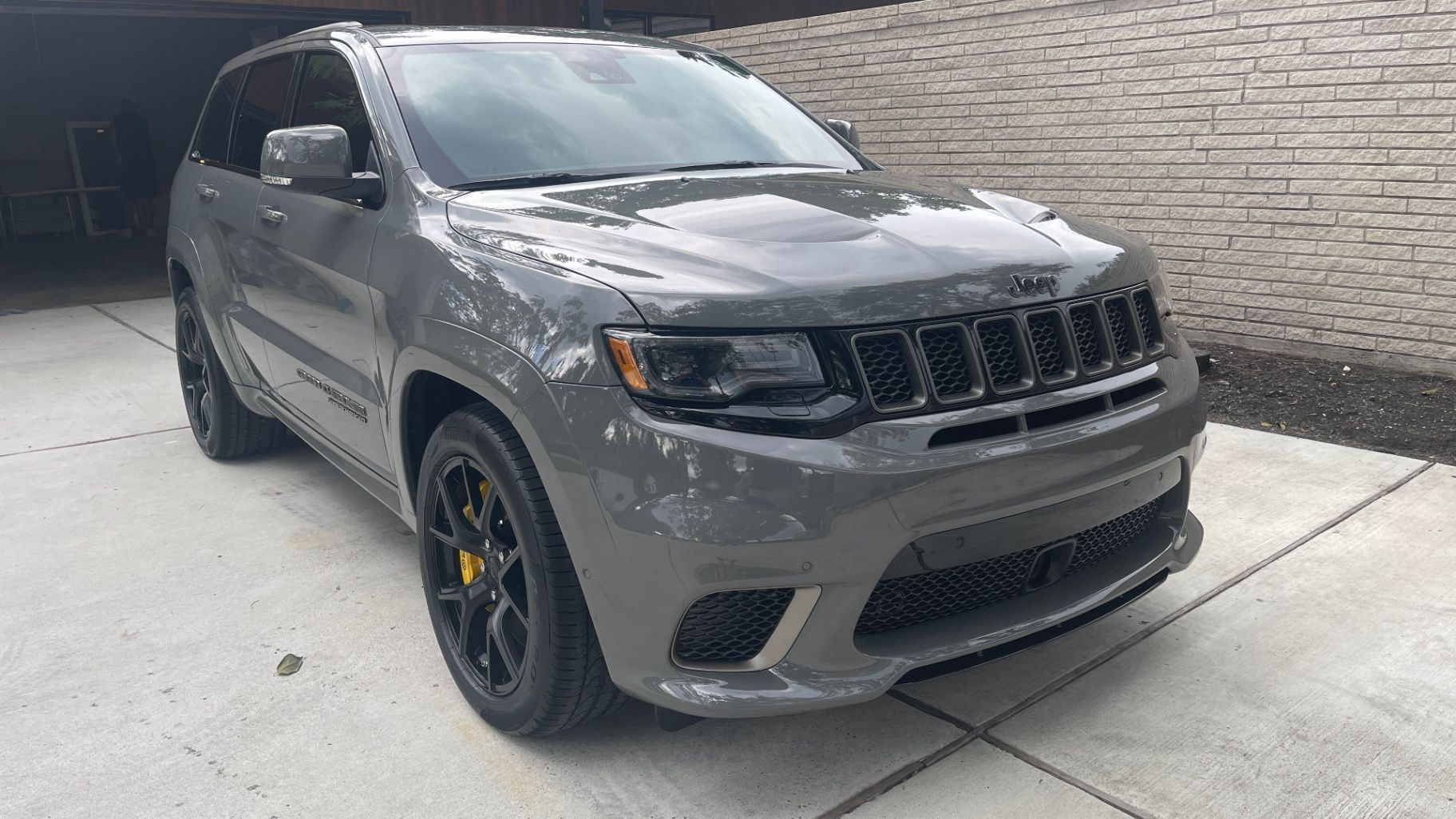
However, once your LPPF is installed and cured, our mobile team can come to your home or office in Pearland or Friendswood to perform routine maintenance washes. This ensures that your protection is being cared for with the right pH-neutral soaps and techniques, extending the life of the film to its maximum potential. We make it easy to keep your car protected without disrupting your schedule.
What is the long-term value of LPPF for Houston car owners?
Investing in Liquid Paint Protection Film is one of the smartest moves you can make for your vehicle’s resale value. In a market like Houston, where cars are often traded in or sold privately, a vehicle with "documented paint protection" stands out. When a potential buyer see a front end that is free of rock chips and paint that still glows like the day it left the showroom, it commands a premium price.
Beyond resale, there is the daily benefit of "worry-free" driving. You can drive behind a construction truck or through a summer thunderstorm knowing that your clear coat is safely tucked under a layer of LPPF. You spend less time worrying about scratches and more time enjoying the drive. When you consider that LPPF often costs significantly less than traditional plastic PPF while offering the ability to re-level blemishes, the ROI is clear.
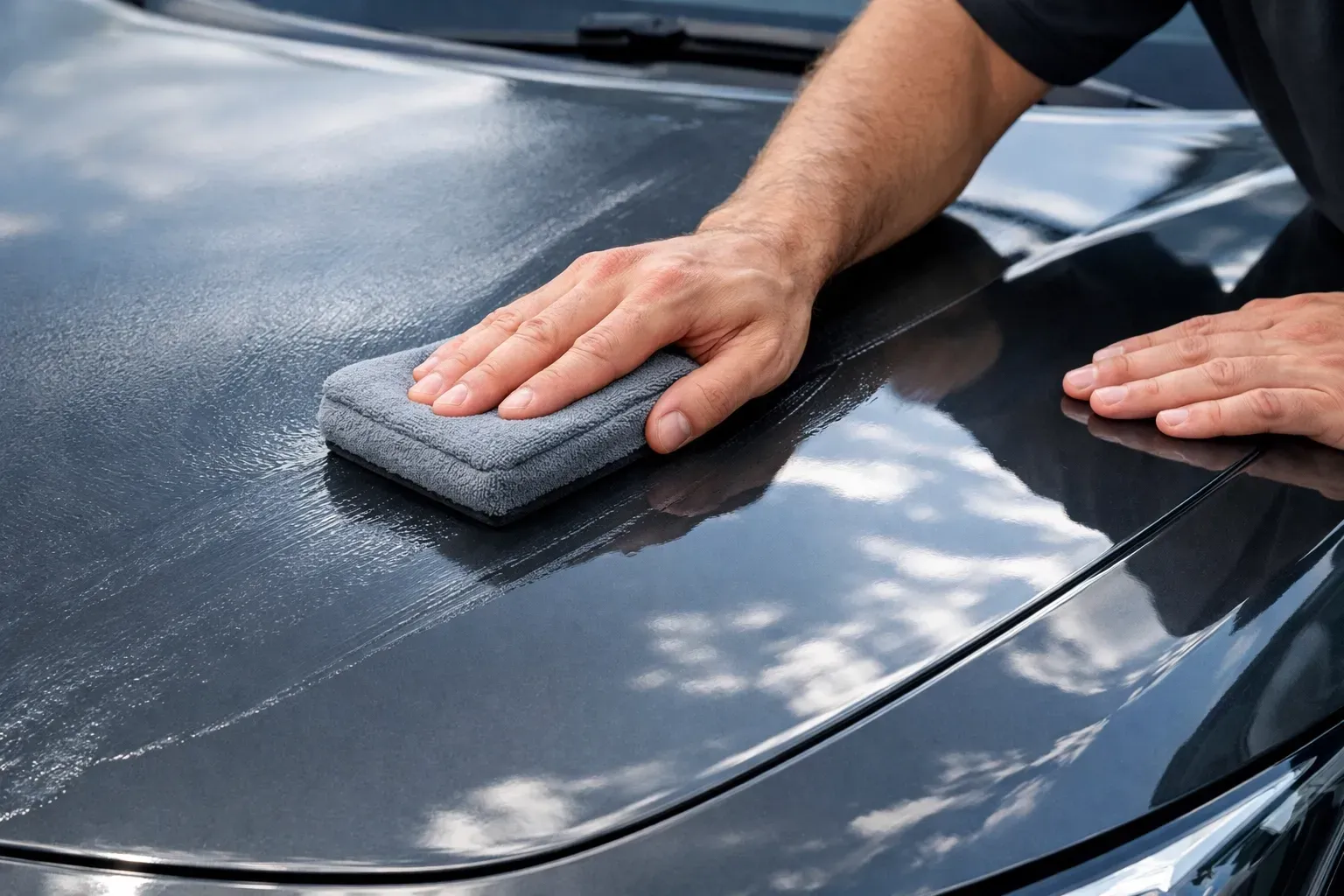
Caption: A close-up of a luxury vehicle's hood, showing the hand-application of LPPF to ensure a perfectly seamless, high-gloss finish.
How do you get started with LPPF at Ceramic Enthusiasts?
If you’re tired of seeing new rock chips every time you wash your car, it’s time to upgrade your protection. Whether you’re in League City, Pasadena, or anywhere in the greater Houston area, Ceramic Enthusiasts is ready to provide the meticulous, professional care your vehicle deserves. We don't rush, we don't cut corners, and we treat every vehicle as if it were our own.
Stop settling for temporary waxes or films that lift and yellow. Experience the next generation of paint protection with our hand-applied Liquid Paint Protection Film. We combine a decade of expertise with a passion for perfection to deliver results that last for years, not months.
Ready to protect your investment?
Connect with Mark and the team at Ceramic Enthusiasts today. Let’s discuss your vehicle’s specific needs and find the perfect protection package for your lifestyle.
Call us at 281-626-9384 to schedule your consultation or visit our Contact Page to get a custom quote.
You might also like
Ceramic Enthusiasts