
Ceramic Coating 101: A Pearland Resident’s Guide to Mastering Paint Protection
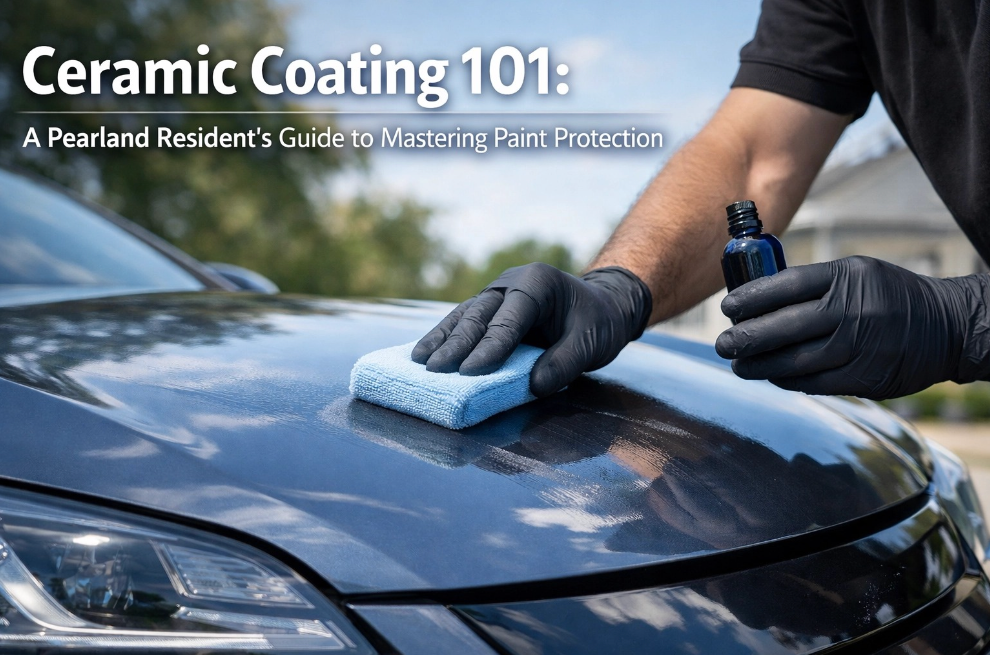
Ceramic coating is a premium liquid polymer that chemically bonds with your vehicle's factory paint to create a semi-permanent layer of protection. For Pearland car owners, this technology represents the pinnacle of automotive care, moving far beyond the temporary shine of traditional waxes or sealants. At Ceramic Enthusiasts, we specialize in applying these advanced coatings to shield vehicles from the specific environmental stressors found in Southeast Texas.
What exactly is a ceramic coating?
A ceramic coating is a solution containing Silicon Dioxide (SiO2) that, when applied by hand, cures into a hard, glass-like sacrificial layer. Unlike wax, which sits on top of the paint and melts away in the Texas heat, a ceramic coating becomes an extension of your clear coat. This molecular bond creates a surface that is significantly harder and more resilient than the factory finish alone. When we treat a vehicle in our Pearland facility, the coating fills the microscopic pores of the paint. This results in an ultra-smooth surface that repels water, dust, and contaminants. It is the difference between a surface that traps dirt and one that actively pushes it away.
How does the Pearland climate affect your vehicle’s factory paint?
Pearland residents face a unique trifecta of paint-damaging conditions: extreme UV exposure, high humidity, and industrial fallout from the nearby Houston shipping corridors. The intense Texas sun triggers oxidation, which causes paint to look dull, faded, and chalky over time. Without a robust UV-resistant barrier, your clear coat begins to break down within just a few years of ownership.Humidity plays a secondary but equally destructive role. It keeps the surface of your car damp for longer periods, allowing pollutants like bird droppings and tree sap to become acidic "soups" that etch into the paint. When these contaminants sit on an unprotected surface in 95-degree heat, they can cause permanent damage in less than 24 hours. A professional ceramic coating in Pearland acts as a barrier, preventing these acids from reaching the delicate paint layers.
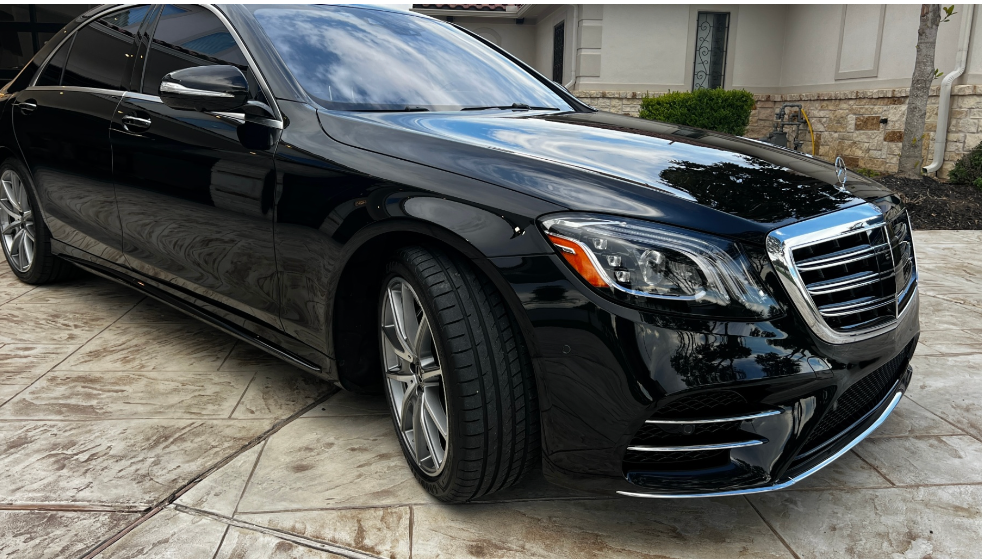
Why is ceramic coating superior to traditional car wax?
Traditional carnauba wax provides a deep shine, but it offers almost zero protection against chemical etching or high temperatures. Wax typically begins to degrade at 130 degrees Fahrenheit, a temperature your car’s hood can easily reach during a Houston summer afternoon. Once the wax melts, your paint is completely exposed to the elements.
Ceramic coatings are heat-resistant and do not wash off with water or standard detergents. While a high-quality wax might last six weeks, a professional-grade ceramic coating can last several years. Furthermore, the hydrophobic properties of a coating are far superior. Water beads up and rolls off instantly, taking surface dirt with it. This "self-cleaning" effect means you spend less time washing your car and more time enjoying the drive.
How long does ceramic coating last on a daily driver in Houston?
A professional ceramic coating typically lasts between 2 to 10 years, depending on the specific product and maintenance routine. For most daily drivers navigating the 288 corridor or the Beltway 8, a high-quality application provides 5 years of solid protection. We often get asked: how long does ceramic coating last if I don't garage my car? Even for vehicles kept outdoors, the durability far outpaces any other topical protection. Longevity is heavily influenced by the preparation phase. At Ceramic Enthusiasts, we never apply a coating to a dirty or swirled surface. We perform a meticulous paint correction to remove imperfections first. If you lock in scratches under a coating, they stay there. Proper preparation ensures the chemical bond is absolute, maximizing the lifespan of the investment.
Can ceramic coating prevent damage from hard water and acid rain?
Yes, ceramic coatings are highly resistant to the chemical stains caused by acid rain and mineral deposits in hard water. In the Pearland and Houston area, rain often carries pollutants from industrial activity. When this rain evaporates on your hood, it leaves behind mineral spots that can "eat" into the clear coat. The high surface tension created by a ceramic coating prevents these liquids from flattening out and soaking into the pores. Instead, the water remains in tight beads that are easily wiped away or blown off during driving. This chemical resistance is a core benefit for anyone who values a mirror-like finish year-round.
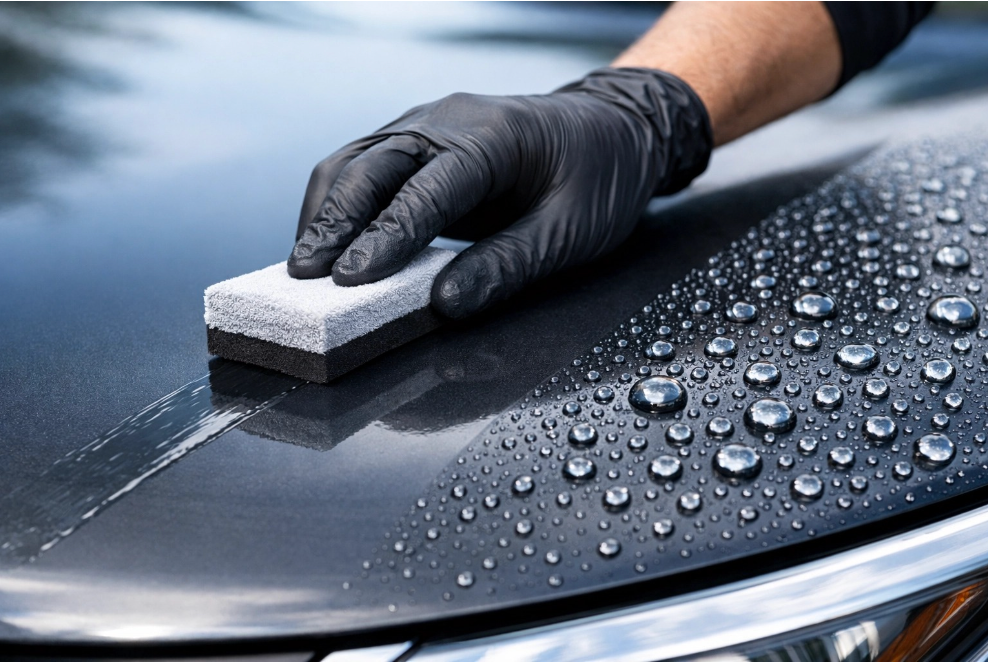
Why is owner-operated oversight critical for a professional finish?
Many high-volume detailing shops prioritize speed over precision, leading to "high spots" or uneven coating thickness. At Ceramic Enthusiasts, we operate on a one-car-at-a-time basis. This owner-operated approach means every square inch of your vehicle receives the same level of technical scrutiny.
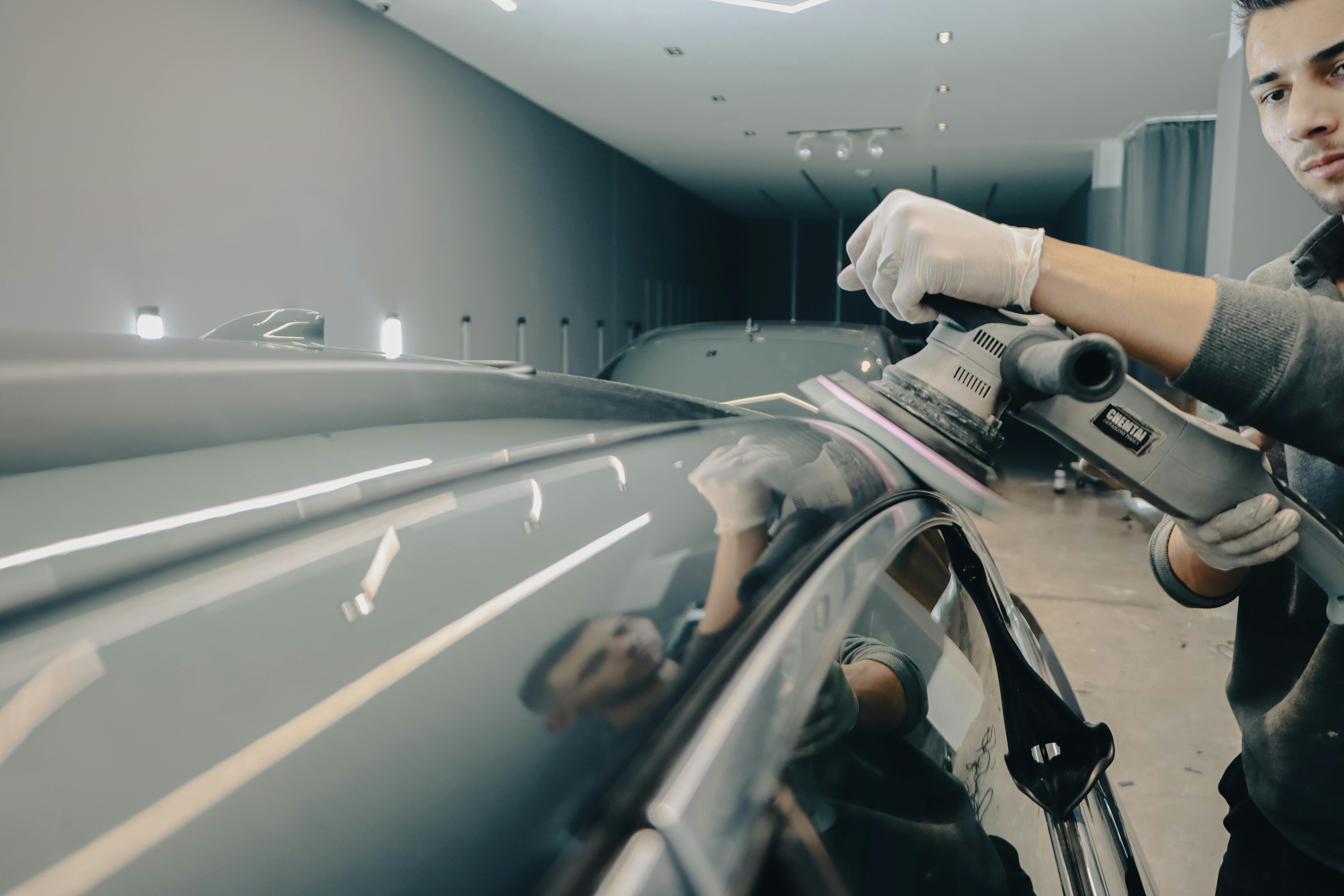
We understand that a ceramic coating in Houston is more than just a service; it is a preservation of your asset. Our process includes multi-stage decontamination, clay bar treatments, and machine polishing before the first drop of coating touches the car. This level of detail cannot be replicated in a "fast-track" environment.
Is ceramic coating a smart financial investment for your vehicle?
Think of a ceramic coating as an insurance policy for your car’s resale value. When it comes time to trade in or sell your vehicle, the condition of the paint is the first thing a buyer notices. A car that has been protected since day one will have a deeper gloss, fewer swirl marks, and no oxidation.
Beyond resale, the coating saves you money on maintenance. You will no longer need to pay for quarterly waxing or expensive detailing to restore faded paint. The ease of cleaning also reduces the risk of "wash-induced" marring, keeping the paint looking brand new for years. For luxury vehicles and daily commuters alike, the cost of the coating is often offset by the increased value and reduced upkeep costs.
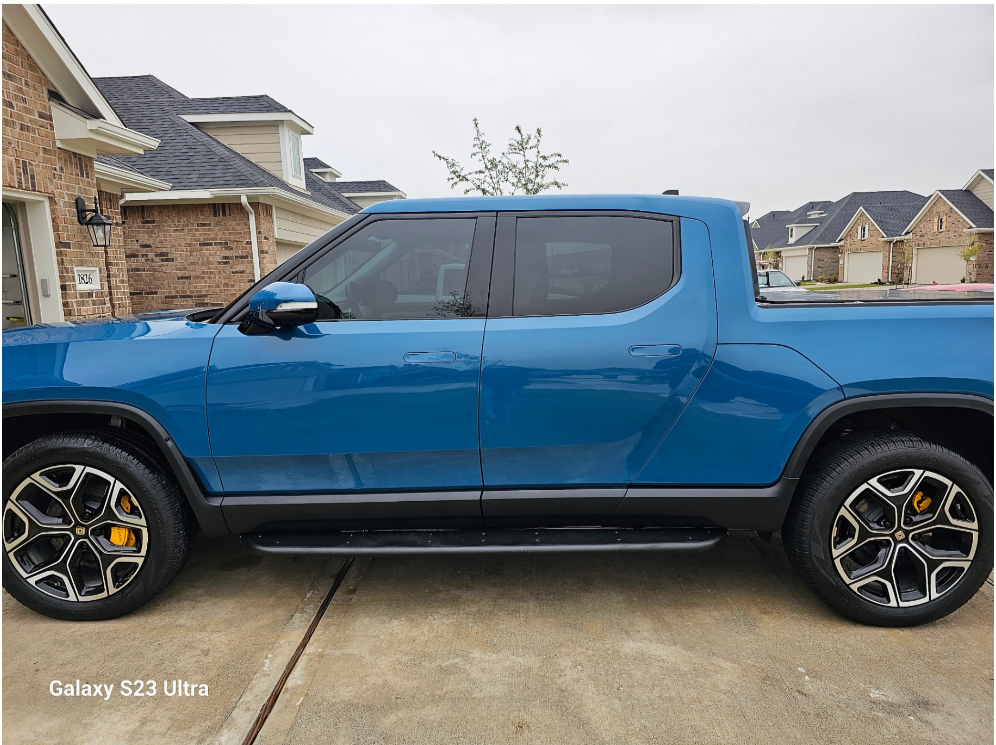
How does Liquid PPF complement a ceramic coating service?
While ceramic coatings are excellent for environmental protection and shine, they do not stop heavy rock chips. This is where Liquid Paint Protection Film (LPPF) comes in. At Ceramic Enthusiasts, we view these as complementary technologies. We often apply LPPF to high-impact areas like the front bumper and hood, then coat the entire vehicle with ceramic.
Our LPPF is a hand-applied process. We carefully lay and work the film by hand to ensure a seamless, thick barrier against road debris. Unlike traditional plastic films that can yellow or peel at the edges, our hand-applied liquid PPF bonds perfectly to the contours of your car. Combining this impact resistance with the hydrophobic properties of a ceramic coating provides the ultimate "Houston-proof" protection package. You can learn more about this in our guide to why liquid PPF is taking over Houston.
Which surfaces of the car can be coated?
Ceramic technology isn't just for your paint. To achieve total protection, we recommend treating all exterior surfaces.
• Glass: A specialized glass ceramic coating improves visibility during heavy Texas rainstorms by making water fly off the windshield.
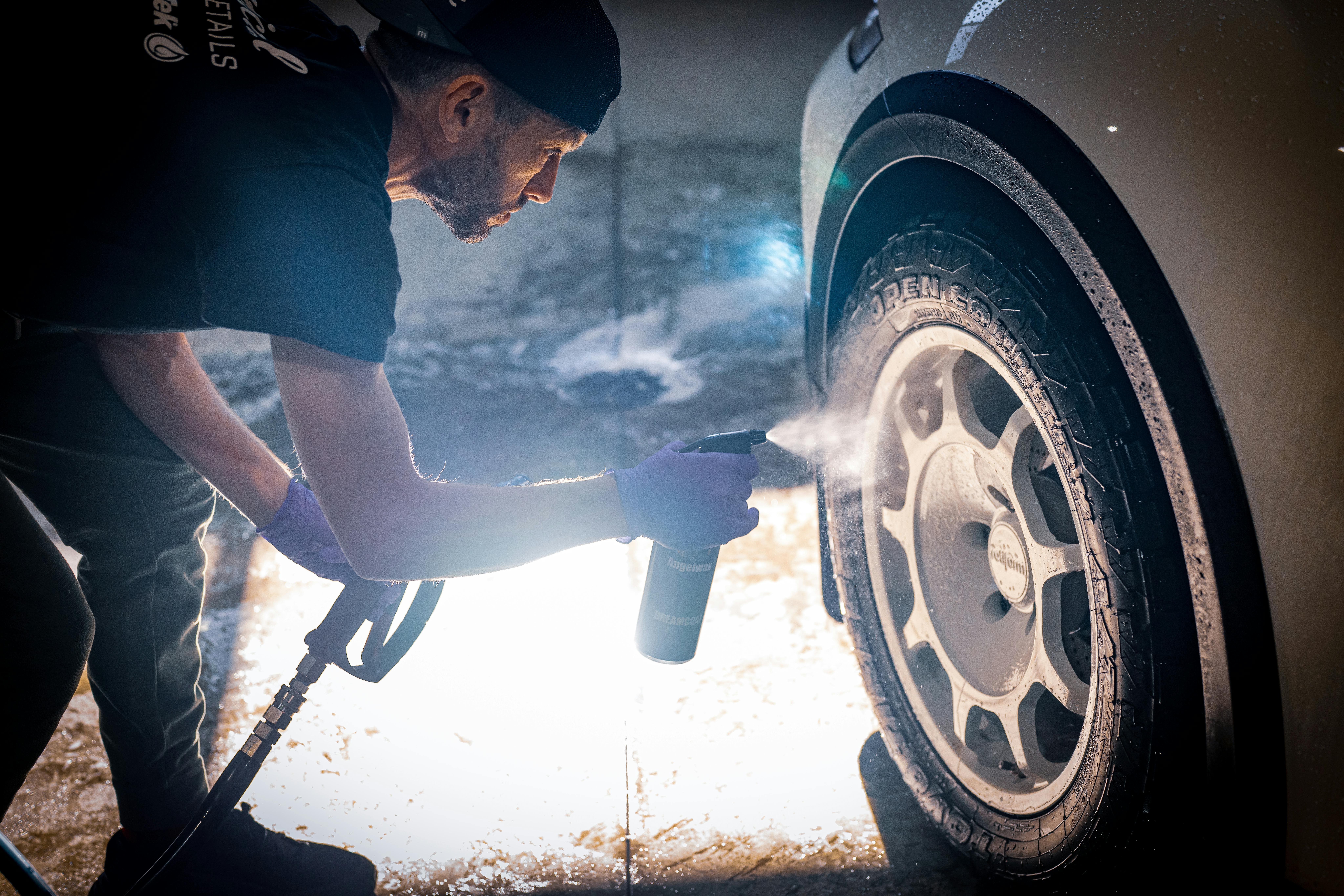
• Wheels: Our wheel ceramic coating prevents hot brake dust from burning into the finish of your rims, making them much easier to clean.
• Plastic Trim: Coatings prevent black plastic trim from turning grey and brittle due to UV exposure.
How do you maintain a ceramic coated car in Southeast Texas?
Maintenance is straightforward but requires the right technique. You should avoid automatic "tunnel" car washes that use abrasive brushes, as these can eventually mar the surface of the coating. Instead, a simple hand wash using the two-bucket method is all that's required. Because the surface is so slick, dirt releases with very little agitation. We recommend a pH-neutral soap to preserve the integrity of the coating. For Pearland residents who are short on time, our mobile detailing services can provide professional-level maintenance at your doorstep, ensuring your coating continues to perform at its peak.
What should you look for in a professional installer?
Experience and environment are the two most important factors. A ceramic coating must be applied in a controlled, dust-free environment to prevent contaminants from being trapped under the surface. You should also look for an installer who offers a comprehensive warranty and a clear maintenance schedule.
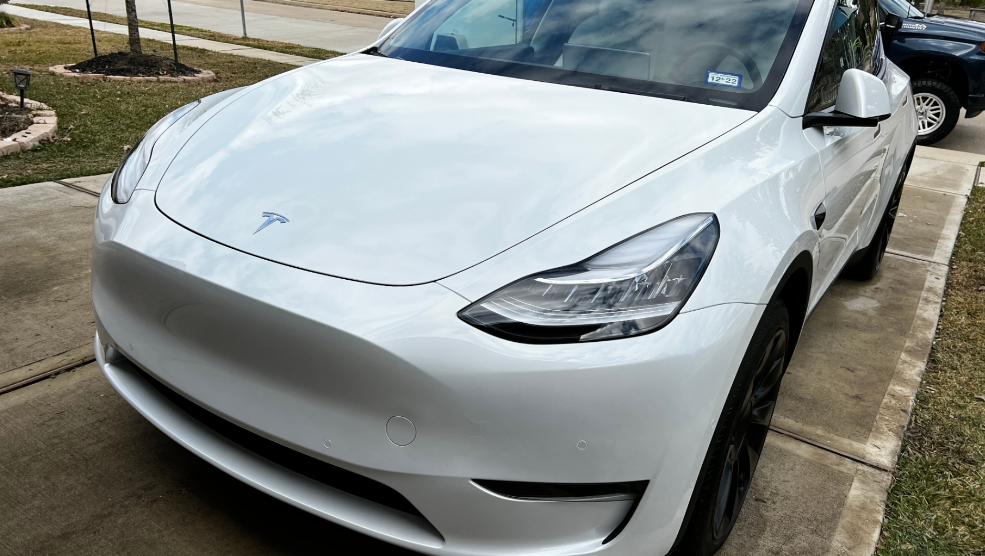
With over a decade of experience, we have seen every type of paint defect and environmental challenge the Gulf Coast can throw at a vehicle. We don't just "apply a product"; we engineer a protection strategy tailored to your specific vehicle and driving habits. Whether you are driving a brand-newTesla or a classic RAM truck, our goal is to deliver a finish that looks better than the day it left the showroom.
Ready to protect your investment?
Don't let the Pearland sun and humidity rob your vehicle of its beauty and value. Professional ceramic coating is the most effective way to ensure your car stays protected, glossy, and easy to maintain for years to come.
At Ceramic Enthusiasts, we take pride in our meticulous, owner-operated service. We invite you to see the results for yourself in our online gallery.
If you are ready to give your vehicle the protection it deserves, contact us today to discuss our Gold and Platinum packages.
Call us at 281-626-9384 to schedule your consultation.
You might also like
Ceramic Enthusiasts