
Why Your New Car Already Needs a Detail: The Truth About Dealership Prep
This is a subtitle for your new post
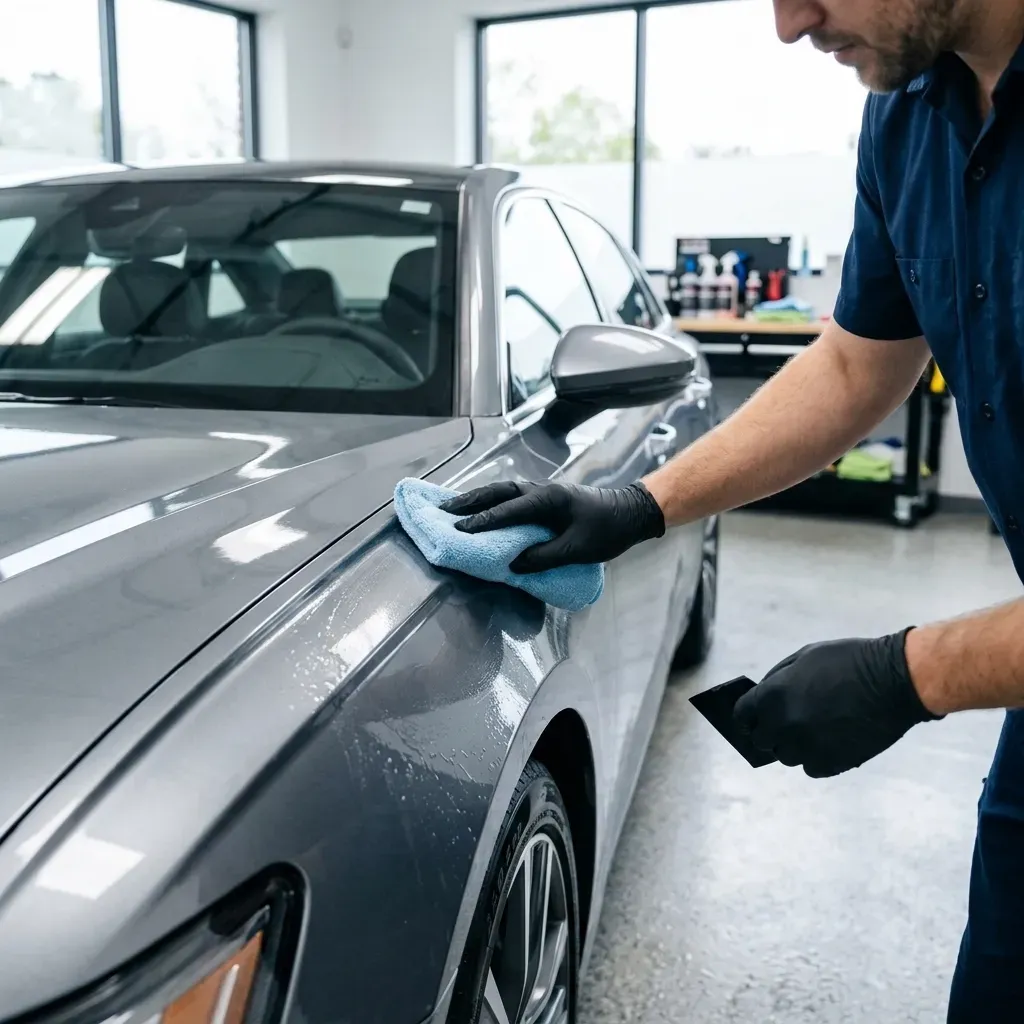
Why isn't my brand-new car's paint perfect?
The moment you sign the papers at a dealership in Houston or Pearland, you expect your vehicle to be in peak cosmetic condition. Unfortunately, the journey from the factory floor to the showroom floor is fraught with environmental hazards that leave a permanent mark on unprotected clear coats. Most new vehicles spend weeks, if not months, in transit via rail cars and open-air shipping vessels where they are exposed to heavy industrial fallout and "rail dust."
Rail dust consists of tiny, hot metallic shards that fly off train tracks and embed themselves into the heated paint of vehicles during transport. Once these iron particles cool, they bond to the surface. If left untreated, they begin to oxidize, creating microscopic rust spots that eat into the clear coat. Beyond transport, vehicles often sit in massive holding lots near shipping corridors: common in areas like Pasadena and League City: where they are bombarded by salt air, bird droppings, and industrial emissions. By the time you take delivery, your "new" car is already covered in a layer of bonded contaminants that a standard car wash cannot remove.
What is the truth behind dealership detailing?
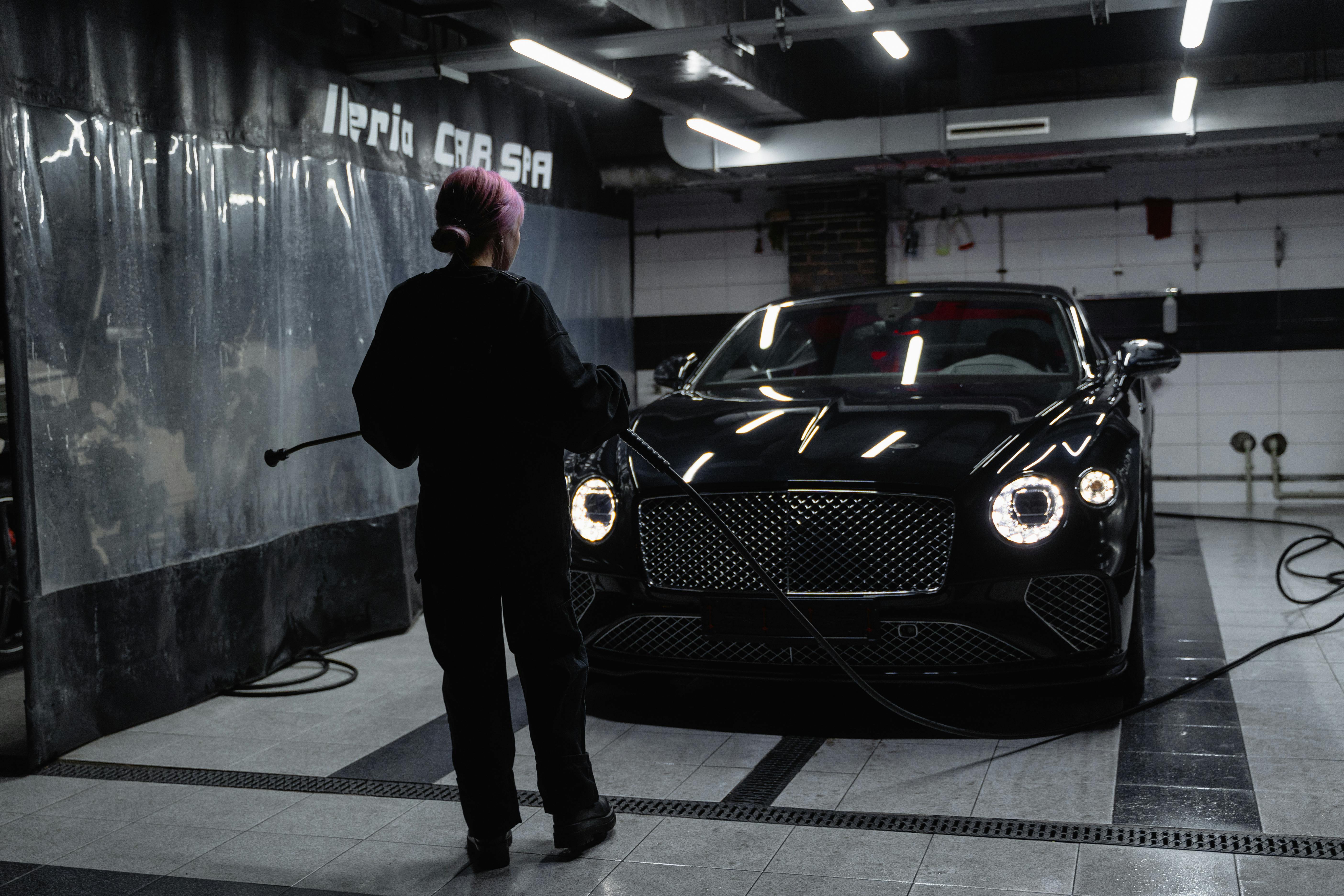
The "prep" performed by most dealerships is a high-volume, low-quality process designed for speed rather than surface integrity. Dealership porters are often tasked with cleaning dozens of cars per day, leading to what professionals call "speed prep." This usually involves a rushed run through an automated brush wash or a manual wash using a single bucket and a dirty mitt that has already touched five other cars that morning. This process is the primary cause of swirl marks and "spider-web" scratching on brand-new vehicles.
To make the car look shiny for the hand-off, many dealerships apply heavy silicone-based glazes or "mop and glow" waxes. These products are packed with fillers that temporarily hide paint defects and swirl marks. However, these fillers are not durable; they typically wash away after one or two rainstorms or a single trip to a local car wash. Once the fillers disappear, the true condition of the paint is revealed: a dull, scratched surface that looks years older than it actually is. Professional detailing at Ceramic Enthusiasts replaces this superficial mask with genuine paint correction and long-term protection
How does iron contamination affect a new vehicle?
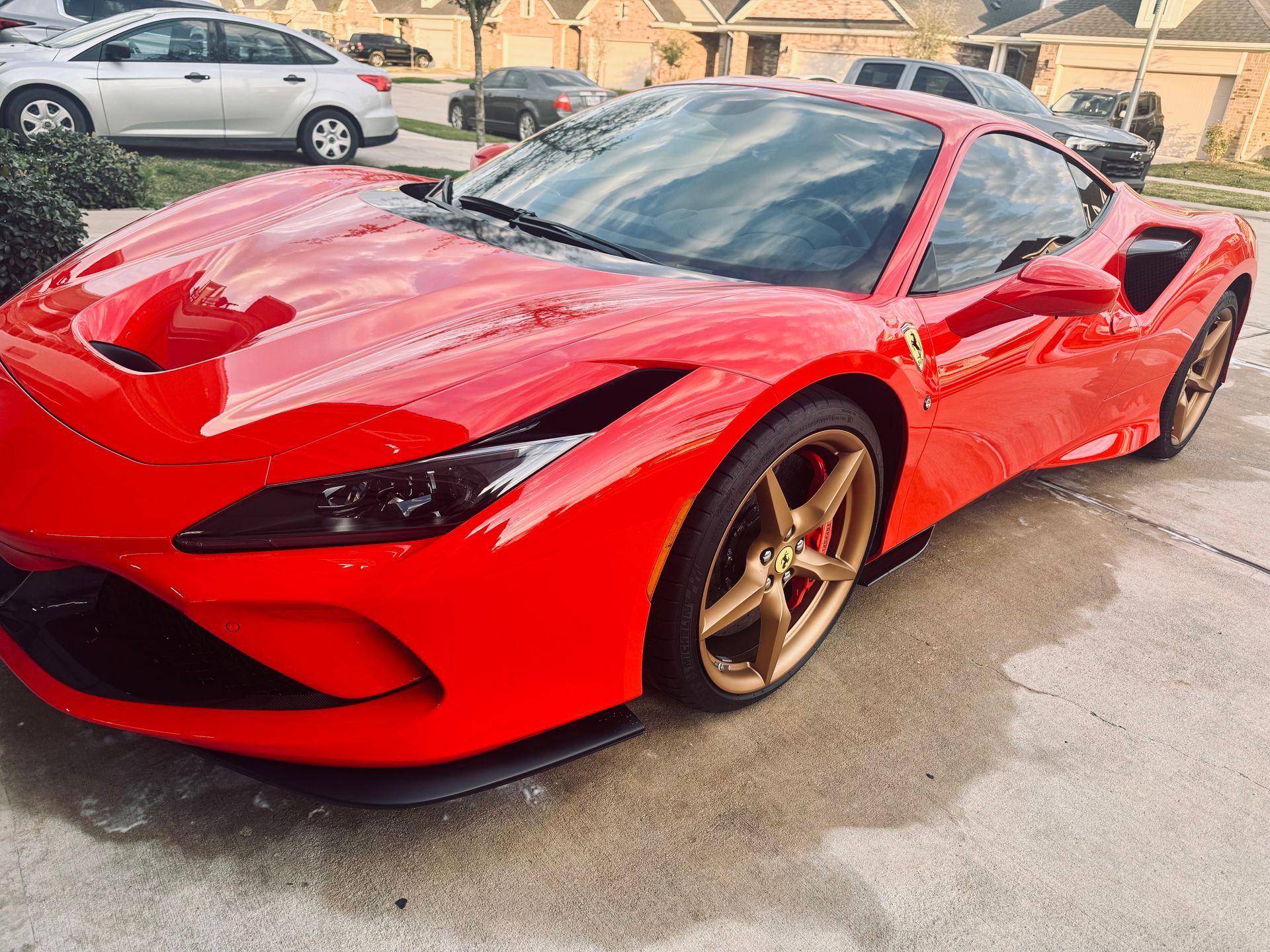
Iron contamination is an invisible enemy that requires specialized chemical intervention to neutralize. When you drive your new car home to Sugar Land or League City, you might notice the paint feels slightly rough to the touch, even after a wash. This texture is caused by embedded ferrous particles. Because these particles are made of iron, they react with moisture and oxygen, leading to localized corrosion.
A professional detailer uses a dedicated iron decontaminant: a pH-neutral chemical that reacts specifically with iron particles. When applied, this chemical turns purple as it dissolves the bond between the metal and your paint. This "bleeding" effect is a clear indicator of just how much contamination is present on a vehicle that supposedly just came off the assembly line. Without this step, applying a wax or sealant simply traps the metal shards against your paint, where they continue to cause damage beneath the surface.
Why is professional decontamination necessary before protection?
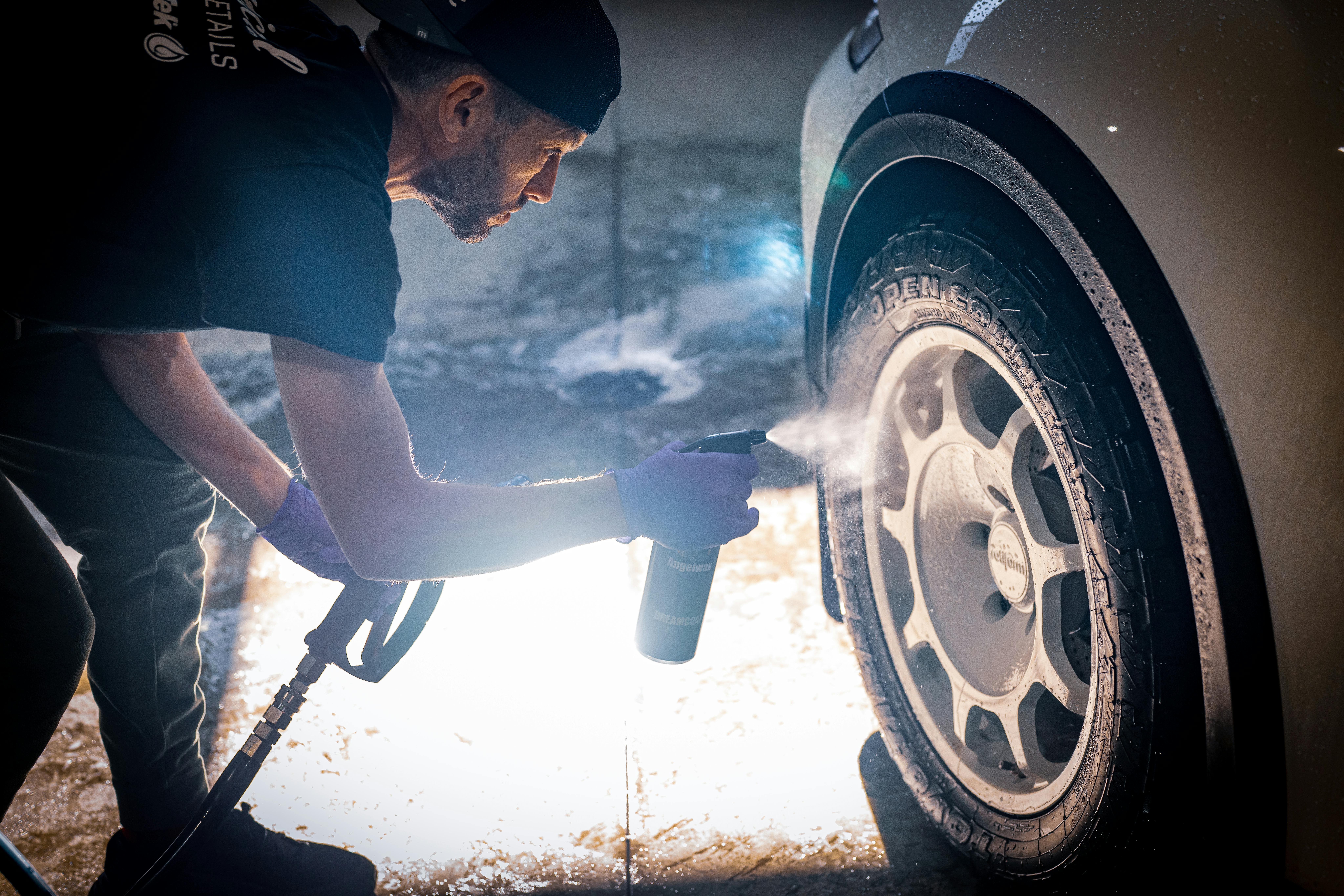
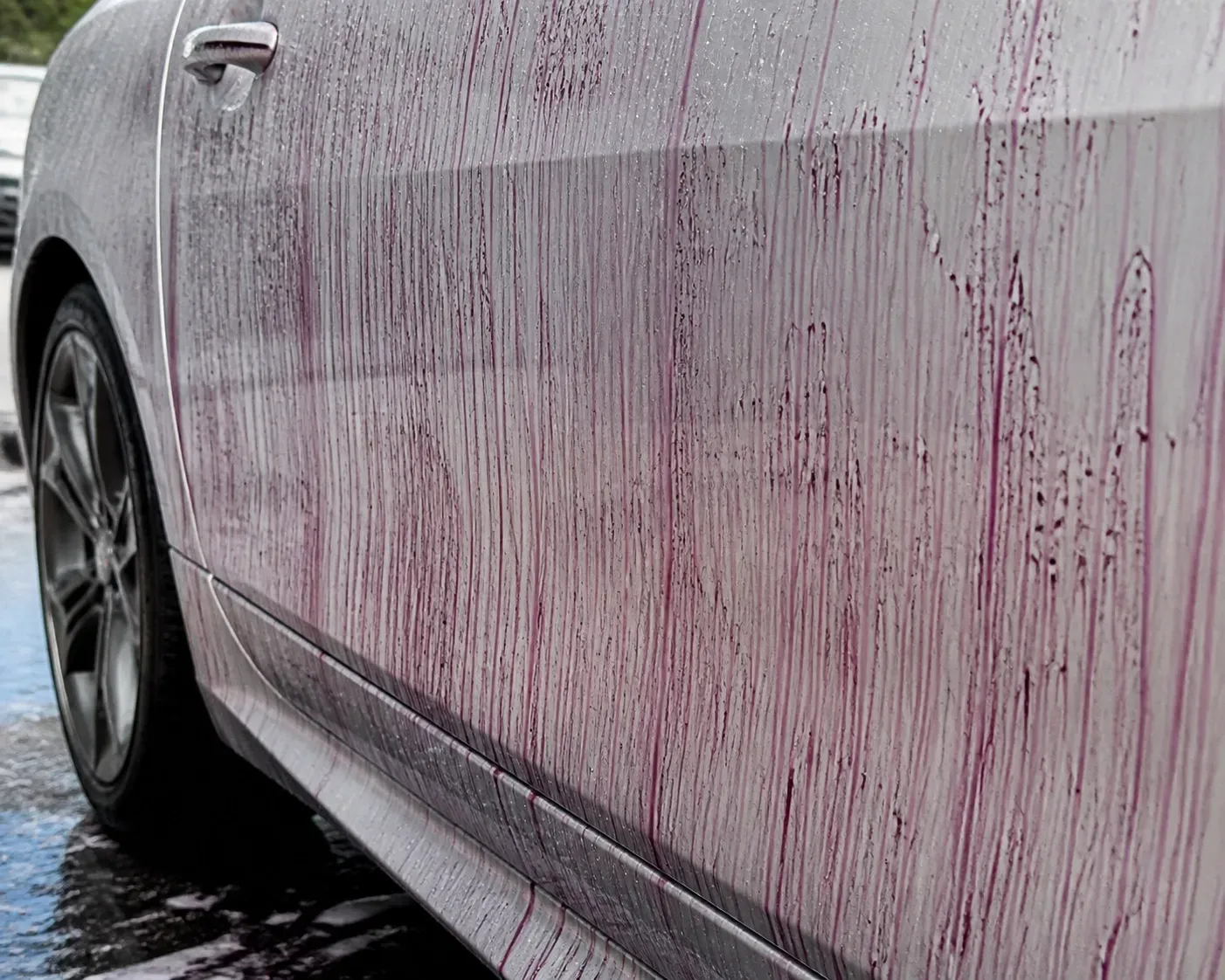
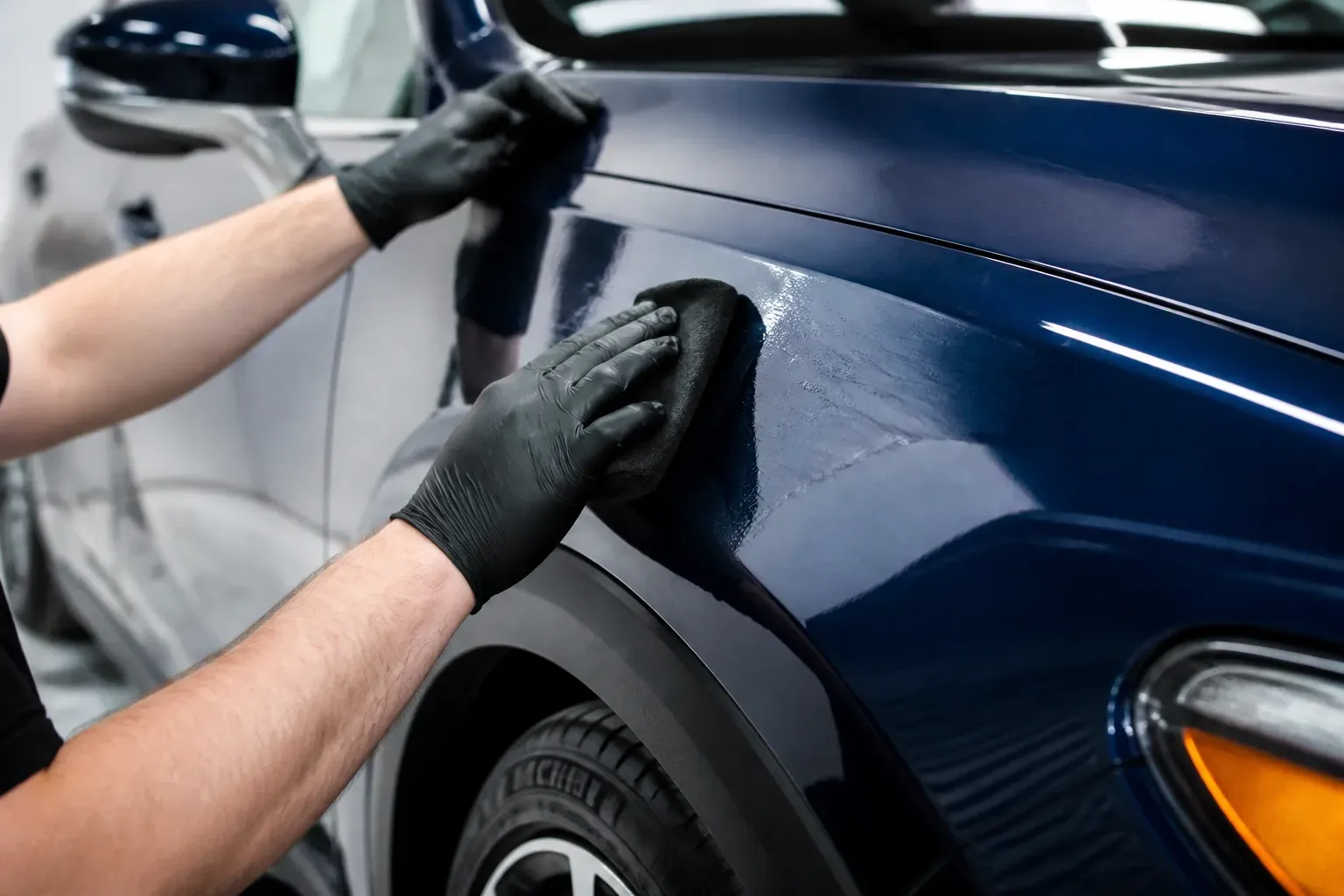
Applying a ceramic coating or a paint protection film over contaminated paint is a recipe for premature failure. For a protection layer to bond effectively at a molecular level, the surface must be "surgically" clean. Professional decontamination is a multi-stage process that includes a thorough foam bath, a chemical iron strip, and a mechanical clay bar treatment. This ensures that every bonded contaminant, from tree sap to industrial fallout, is removed from the pores of the clear coat.
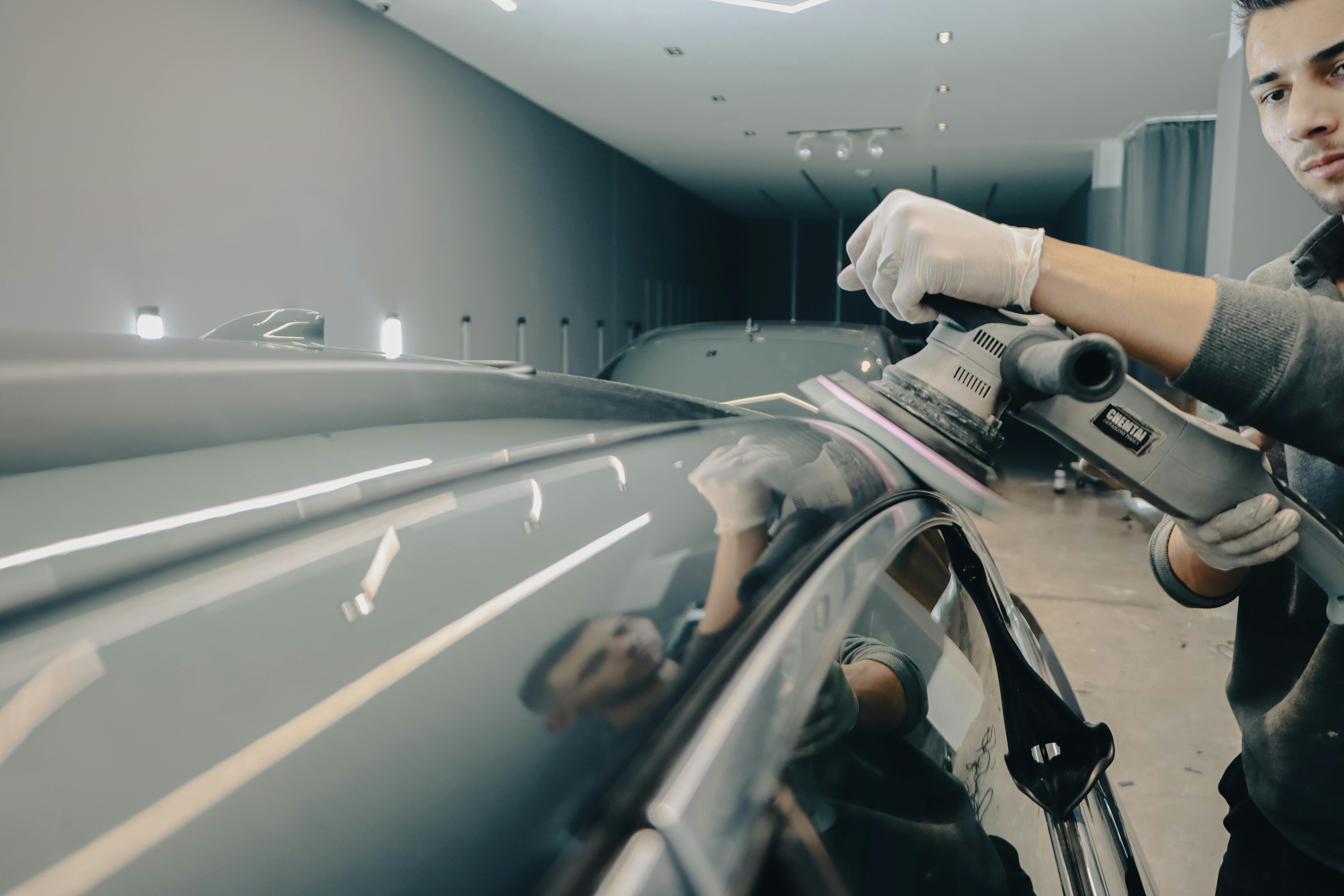
Once the paint is clean, we often find that even new cars require a light paint correction. This stage involves using a high-quality machine polisher and fine finishing liquids to level the clear coat and remove the swirls introduced by the dealership's wash bay. This process maximizes the gloss and depth of the paint, ensuring that when we apply a ceramic coating, the finish is truly better than showroom quality. Skipping these steps means your expensive coating will be trying to bond to dirt and metal rather than the paint itself.
Should I choose Ceramic Coating or LPPF for my new car?
When it comes to protecting your new investment in the Houston area, you have two primary professional-grade options: Ceramic Coatings and Liquid Paint Protection Film (LPPF). Both offer significant advantages, and they can even be used together for the ultimate protection package.
Ceramic Coatings are semi-permanent liquid polymers that bond to the paint, creating a hard, hydrophobic sacrificial layer. They are exceptional at repelling water, dirt, and UV rays, making your car significantly easier to clean. For owners in Pearland or Sugar Land, a ceramic coating provides that "always waxed" look and protects against the oxidation caused by the intense Texas sun.
Liquid Paint Protection Film (LPPF), on the other hand, is a specialized, hand-applied product designed to offer a higher level of physical protection. Unlike traditional plastic films that can have visible edges, our LPPF is meticulously hand-applied by our expert technicians to provide a seamless, high-gloss barrier. It is thicker than a ceramic coating, providing superior resistance against light rock chips, road debris, and scratches. Because it is hand-applied, we can ensure perfect coverage on complex body lines and curves that characterize modern sports cars and SUVs.
Can Houston’s climate damage a new car without protection?
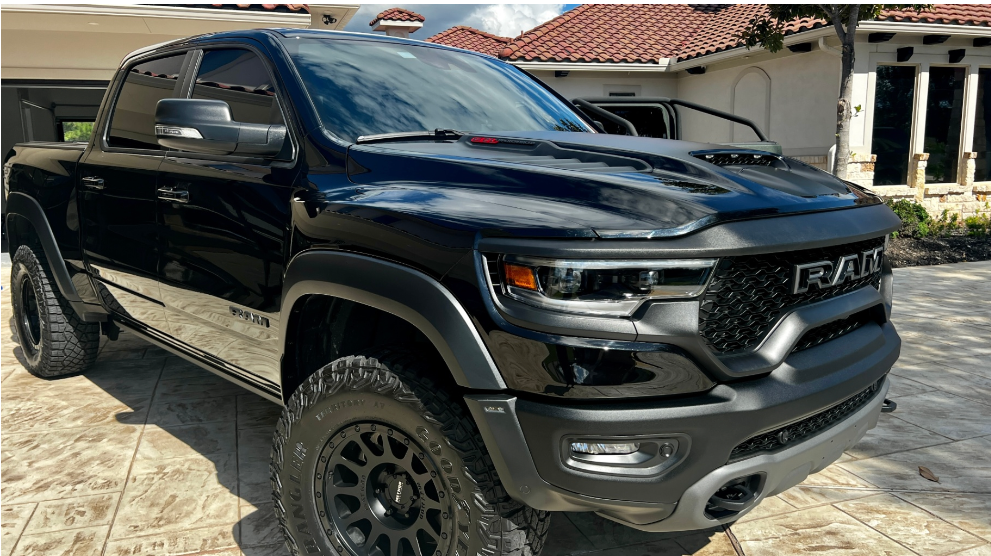
The environmental conditions in the Greater Houston area are particularly brutal for automotive finishes. The combination of high humidity, extreme UV exposure, and industrial air quality creates a "perfect storm" for paint degradation. UV rays are the leading cause of clear coat failure and paint fading. Without a UV-resistant barrier like a ceramic coating, the sun’s energy breaks down the chemical bonds of your car’s paint, leading to a dull, chalky appearance within just a few years.
Furthermore, our region's heavy rainstorms often carry environmental pollutants that can cause water spotting. When rainwater evaporates off a hot hood in the 95-degree Houston heat, it leaves behind mineral deposits that can etch permanently into the clear coat. A professionally protected vehicle has high surface tension, causing water to bead and roll off before it has a chance to bake in. Whether you are commuting from Friendswood or parking in Stafford, your car is constantly under attack.
This is paragraph text. Click it or hit the Manage Text button to change the font, color, size, format, and more. To set up site-wide paragraph and title styles, go to Site Theme.
You might also like
Ceramic Enthusiasts